By Obot Festus & Adaora Adibe
The Director-General, Raw Materials Research and Development Council (RMRDC), Professor Nnanyelugo Ike-Muonso, has reaffirmed the Council’s commitment to strengthening Nigeria’s shea industry through value addition and strategic partnerships.

Prof. Ike-Muonso made this known during a working visit to SALID Agriculture Limited, Nigeria’s largest shea nut refining factory, located in Kudu, Niger State.
Expressing delight at the facility, the DG described the factory as “a significant milestone in developing the utilization of shea nut in Nigeria,” and commended the Managing Director/CEO of SALID Agriculture, Alhaji Ali Saidu, for his resilience and innovation in building a world-class refinery.
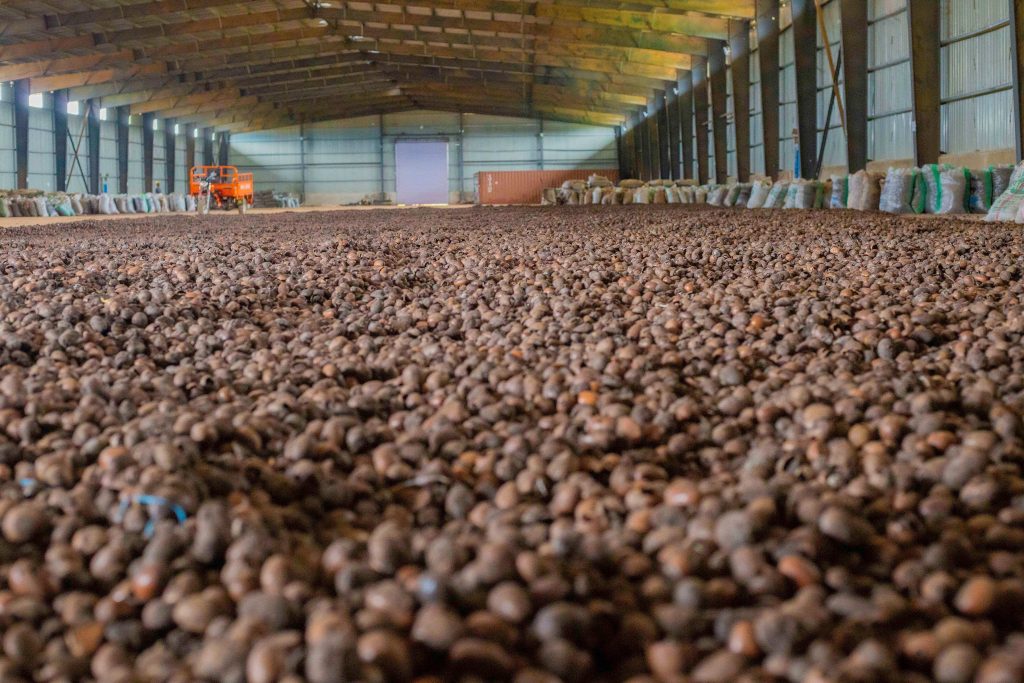
Welcoming the delegation, Alhaji Saidu revealed that SALID Agriculture has been in operation for 15 years and has maintained a strong partnership with RMRDC since inception. He emphasized that shea remains a highly lucrative venture with vast potential for sustainability, stressing that the Nigerian shea industry, despite being the largest in nut production globally, remains unstructured and underutilized.
You Might AlsoLike


“Nigeria is number one in shea nut production but ranks seventh in shea butter development. That is a paradox,” Alhaji Saidu noted. “The shea industry needs sustainability. That is why we invited RMRDC to be part of the Global Shea Alliance sustainability platform. I have also served as a Vice President of the National Association, where we identified the urgent need for a road map for the industry.”

He described the Federal Government’s recent ban on raw shea nut exports as “a positive front” that will help bring together ministries, agencies, financial institutions such as NEXIM Bank, NIRSAL, and BOI, alongside private stakeholders, to develop the value chain. He particularly applauded President Bola Tinubu for endorsing the policy, saying it will open a new era for local processing.
Alhaji Saidu further stressed the central role of women in the value chain, “You cannot discuss shea without the women. They are the ones who collect the seeds at the grassroots level. We must empower them to strengthen the entire industry.”


He disclosed that Salid Agriculture currently works with a network of more than 15,000 women who supply nuts, spread across about 19 states where shea trees grow naturally. With the ban now in effect, the company is already considering expansion into other states to boost capacity.
On his part, the RMRDC DG reiterated the Council’s policy stance against the export of raw materials without significant value addition. He disclosed that the Federal Government has endorsed this policy direction through legislation, including the recent ban on raw shea nut exports, a move he described as “a bold step to restructure the sector and stimulate local processing.”
He further stated, “Since becoming DG, my consistent message has been that Nigeria should not export raw materials without at least 30% value addition. With facilities like this, already processing shea nuts at 70 to 80 percent value addition, we see clearly that it can be done.”
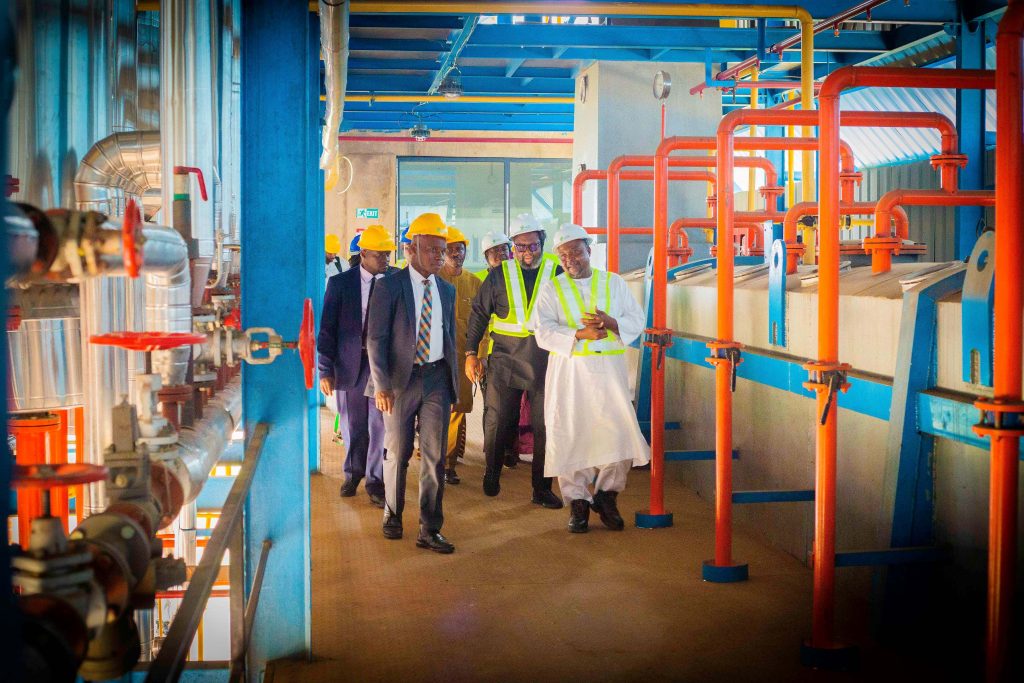
Prof. Ike-Muonso also commended Salid Agriculture’s vision and encouraged other private sector players to emulate such initiatives in order to boost industrial growth. He recalled that RMRDC developed the Shea Nut Roadmap in 2019 and announced plans to review it with other stakeholders to meet current realities. He applauded the Niger State Government for allocating 10 hectares of land for the cultivation of shea trees, a move expected to generate over 600,000 jobs in the long term.
Commending Alhaji Saidu and his team, the DG assured that RMRDC will continue to stand by SALID Agriculture to ensure sustainability through incentives, interventions, and policy support. He said that the success of SALID Agriculture demonstrates Nigeria’s capacity to host globally competitive shea processing facilities and to lead the transformation of the shea industry across Africa.
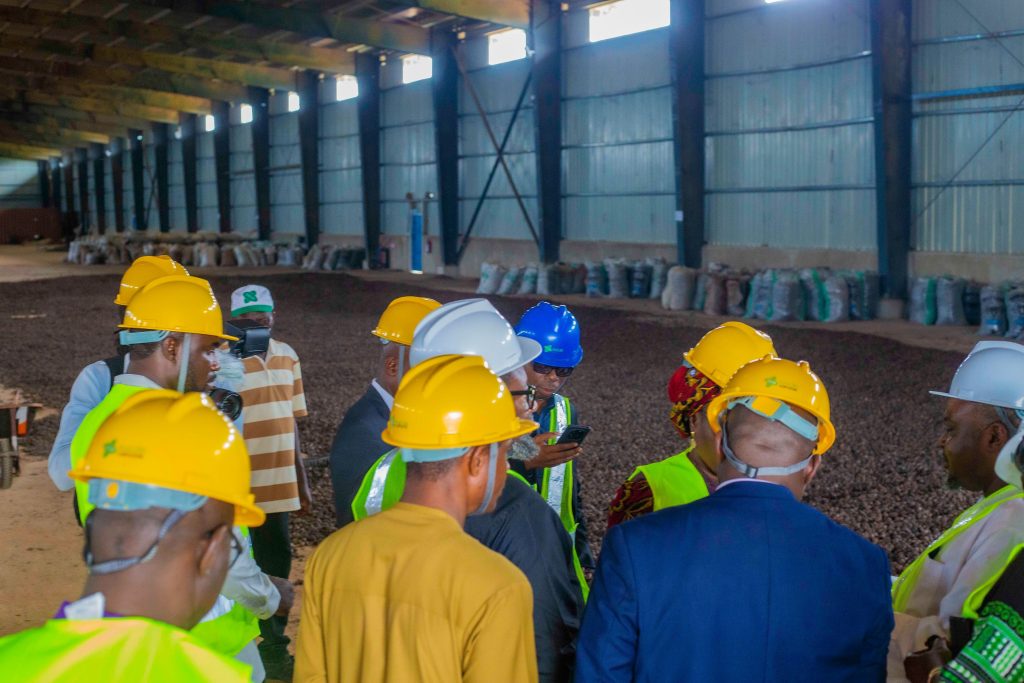
The tour of the SALID Agriculture Shea Factory was a highly insightful and impactful experience for the delegation from the Raw Materials Research and Development Council (RMRDC). Accompanying the DG were key officials, including the Director of Planning, Statistics and Policy Department, Mrs. Rachel Kotso; Director of Agriculture and Agro-Allied Department, Dr. Seb Ebierekwe; Overseeing Director of State Industrial Extension Services, Dr. (Mrs.) Edith Obi; Deputy Director of the Food and Beverages Division, Dr. (Mrs.) Kiki Oloruntoba; Niger State Coordinator, Dr. Abdulrasheed Mohammed; and other esteemed members of the Council.
The visit underscores RMRDC’s ongoing commitment to strengthening local industries, supporting agro-allied development, and fostering value addition within Nigeria’s raw materials sector.