
By Adaora Adibe
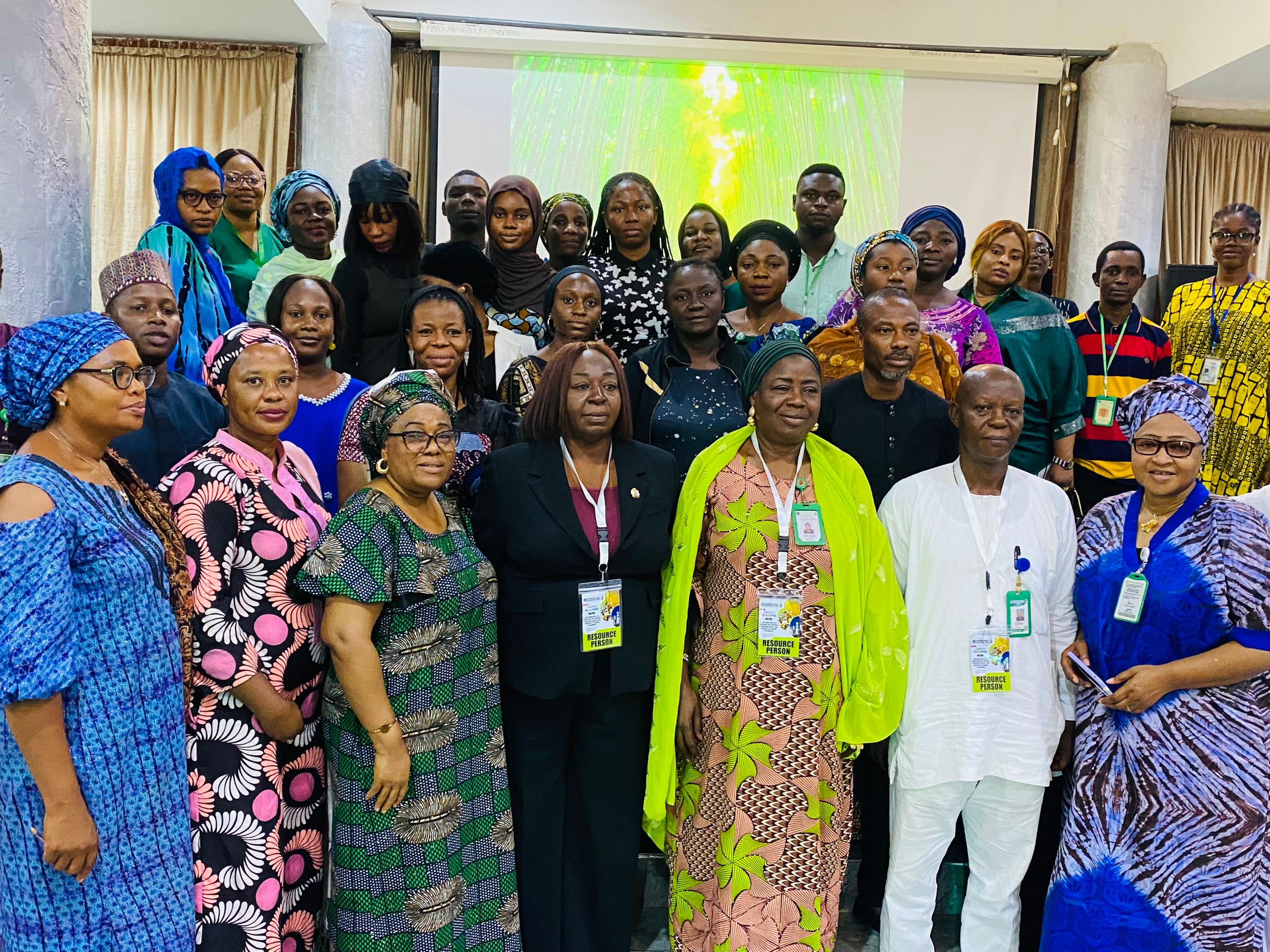
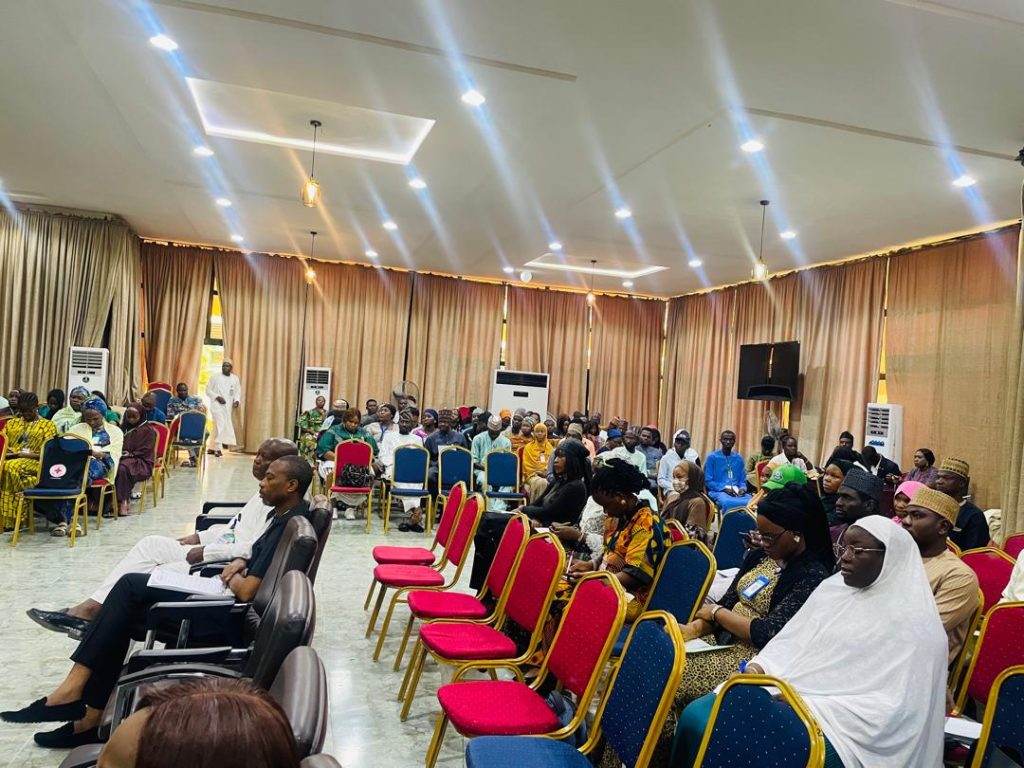
The Raw Materials Research and Development Council (RMRDC) has reaffirmed its commitment to strengthening institutional capacity and professionalism with a comprehensive capacity-building training programme for staff on CONRAISS 7. The training, held at the Council’s headquarters in Abuja, was organised by the Planning, Statistics, and Policy Department under the theme: “Repositioning RMRDC Staff: Harnessing Staff Potentials in Unlocking Nigeria’s Raw Materials for Economic Development.”

The Director General of RMRDC, represented by the Director of Planning, Statistics, and Policy Department, Mrs. Rachel Kotso, urged staff to embrace ethical leadership and exemplify good behaviour in the workplace to build a strong and credible RMRDC brand.
In her paper presentation titled “Ethical Leadership and Best Organisational Culture,” Mrs. Kotso emphasised that every individual has leadership potential, which must be awakened and nurtured through character and commitment. She noted that ethical leadership is not just about doing what is right when it is convenient, but about standing firm on principles in the face of challenges. This, she said, fosters trust, transparency, and accountability, core values essential to building a respected and high-performing institution.
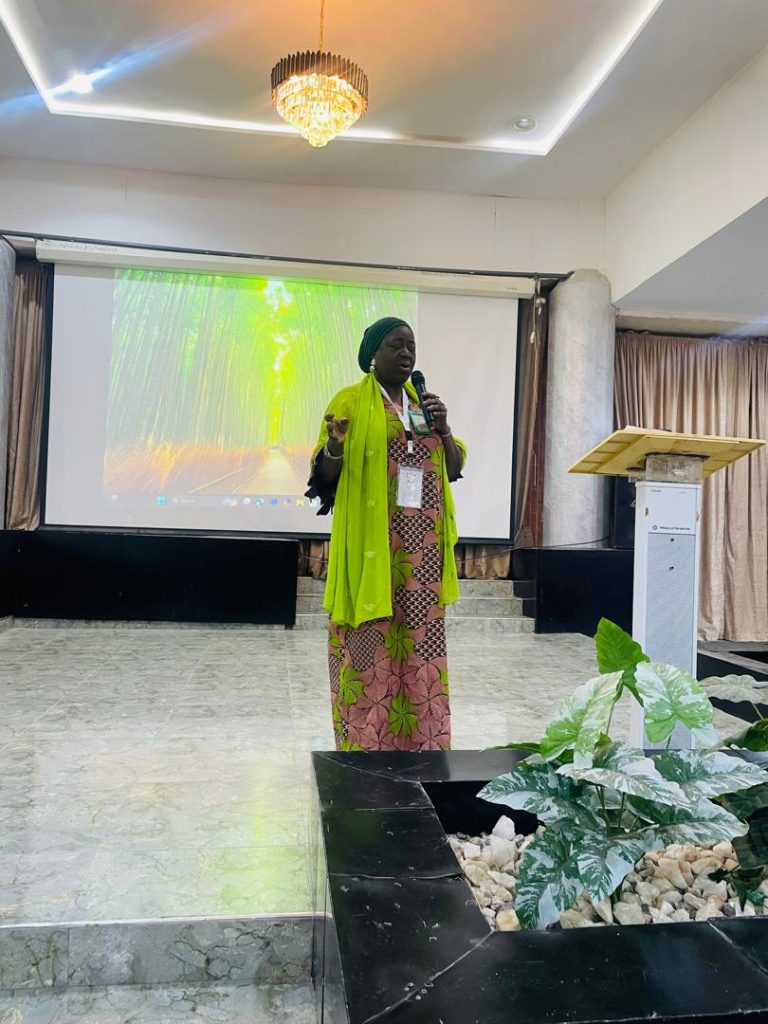
She further stated that cultivating a strong organisational culture involves promoting teamwork, respect, innovation, a good attitude to work, and continuous learning. These values, she stressed, create an environment where excellence becomes a shared standard rather than just an aspirational goal.
You Might AlsoLike




Speaking during another session, the Deputy Director of the Planning Division, Mrs. Tari-Giwa Osagie, presented a paper on “Aligning Staff Roles with RMRDC’s Mission and Vision for National Development.” She linked staff responsibilities to key national frameworks such as the National Development Plan (2021–2025), the Science, Technology and Innovation (STI) Policy, and the Nigeria Industrial Revolution Plan (NIRP). Mrs. Osagie also emphasised the strategic importance of the African Continental Free Trade Area (AfCFTA), noting its alignment with Nigeria’s Economic Diversification Agenda. She explained that AfCFTA opens new markets, enhances industrialisation, and increases non-oil export opportunities RMRDC is well-positioned to harness.
Also contributing to the training, the Deputy Director, Performance Management System (PMS), Dr. (Mrs.) Udodirim Ugonna delivered a paper on “Performance Management and Staff Motivation.” She highlighted the role of PMS in aligning individual objectives with organisational goals, facilitating communication between staff and management, identifying training needs, and recognising high performance. According to her, performance management systems, when effectively implemented, enhance employee engagement and productivity while ensuring all efforts support the mandate of the Council.
In another impactful session, the Assistant Director, Monitoring and Evaluation Section Mr. Ikenna Ajoku, presented a paper on “Monitoring and Evaluation (M&E).” He emphasised that M&E is critical to project management as it helps in determining project effectiveness, efficiency, and overall impact. He noted that M&E enhances accountability, transparency, and strategic decision-making across the organisation.

Also delivering his presentation, on “Implementation Strategies for Attaining Sustainable Development Goals (SDGs) 2030 in Relation to RMRDC’s Programmes and Projects.” The head SDG, Mr. Pious outlined the 17 global goals and drew connections between them and RMRDC’s core mandate. He stressed that the Council plays a vital role in advancing Nigeria’s sustainable development agenda through its focus on local raw material utilisation, policy advocacy, and industrial linkages. He noted that these efforts contribute to economic growth, job creation, and environmental sustainability.
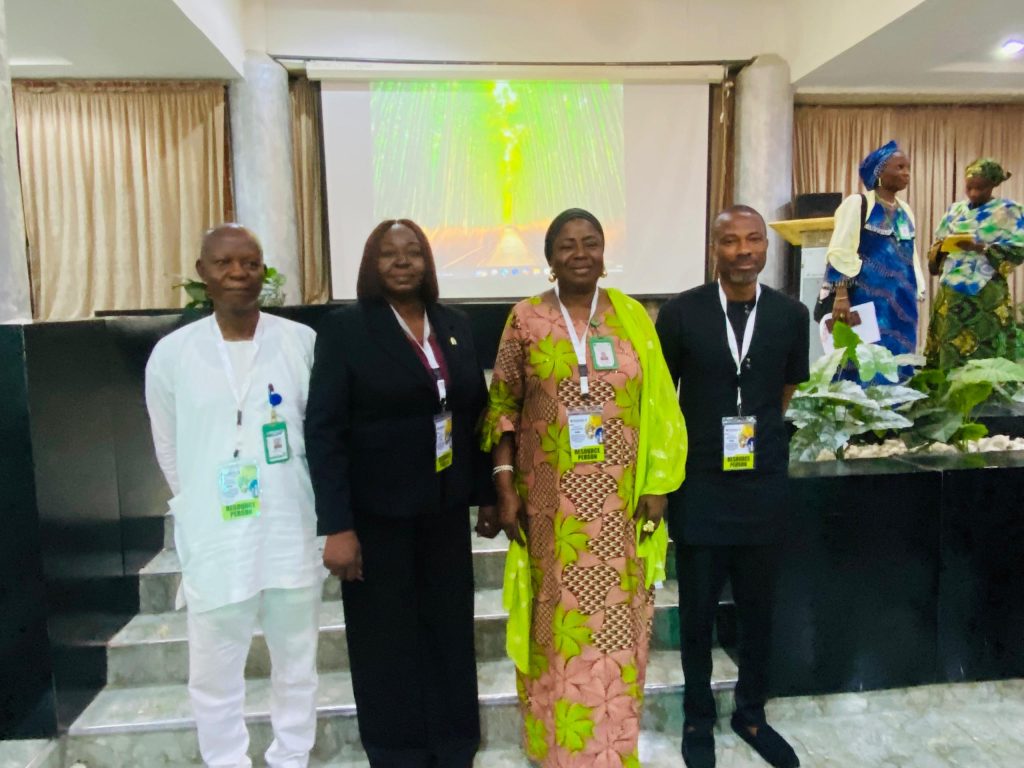
Participants at the training commended the Council for organising the programme and expressed their appreciation for the knowledge and insights gained. Many remarked that the training renewed their sense of purpose and offered practical tools to improve their individual and collective contributions toward RMRDC’s vision.