By Timipah Orusa
The Raw Materials Research and Development Council (RMRDC), in collaboration with the Tropics Derma Research and Training Institute (TDRTI), has successfully concluded a two-week free skincare analysis programme in Bayelsa State. The initiative, which ran from May 12 to 26, 2025, was aimed at identifying and addressing common skin challenges faced by people living in hot and humid tropical environments.

The programme, which formed part of a national campaign to promote safe and natural skincare practices, focused on raising awareness about the dangers of harmful skin products and encouraging the use of locally sourced raw materials for skincare. It also sought to collect valuable data on skin types and conditions prevalent in tropical regions like Bayelsa.
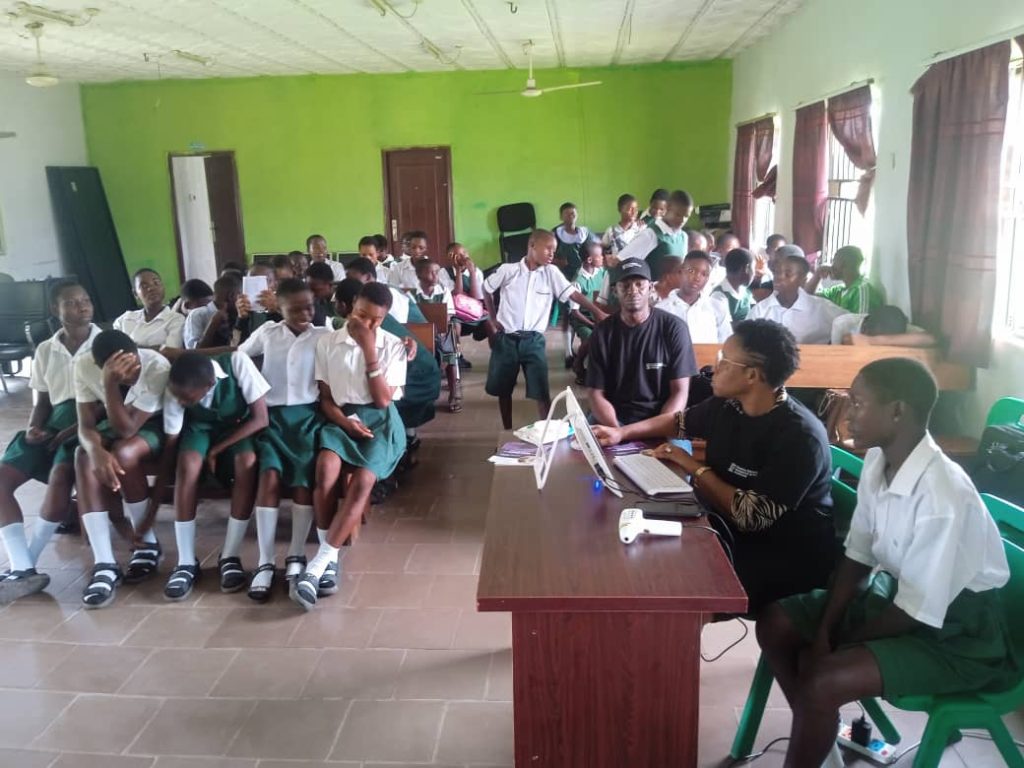
Over the course of the two weeks, the initiative was conducted across several strategic locations in the state, including the Federal and State Secretariats, Opolo and Biogbolo secondary schools, the Federal Medical Centre, Bayelsa Cultural Centre, Swali and Kpansia markets, and in Yenagoa and Southern Ijaw Local Government Area offices. Street-level outreach was also carried out to ensure broader community engagement.
A total of 566 volunteers, male and female, ranging in age from as young as two to over eighty years, participated in the skincare analysis. Each participant provided basic demographic information, including name, gender, age, contact details, and location.
You Might AlsoLike




Using a digital skin analyzer, five major skin parameters were examined: sebum (oil secretion), elasticity, collagen levels, pigmentation, and moisture content. The data collected were securely stored in a centralized database for further analysis and research.
Preliminary findings from the exercise revealed several recurring skin conditions. Notably, many participants exhibited deep pigmentation, attributed primarily to prolonged sun exposure. Low skin moisture levels were also prevalent, indicating widespread dry skin issues. While sebum levels were generally within a normal range, reduced skin elasticity was a common concern.
Participants expressed deep appreciation for the free programme, praising its relevance and professionalism. Many also showed keen interest in future skincare products to be developed by TDRTI, specifically formulated to address the unique skin needs of people living in sun-exposed, tropical climates.

Organisers say the success of the programme highlights the importance of integrating scientific research with public health education, particularly in addressing the skincare needs of tropical populations using sustainable, locally sourced raw materials.