By Festus Obot and Adaora Adibe
The Federal Government has reaffirmed its commitment to diversifying Nigeria’s economy through supporting research and development activities in the agriculture sector, particularly tree crops like rubber. The Honourable Minister of State for Agriculture and Food Security, Senator (Dr.) Aliyu Sabi Abdullahi gave this affirmation in a keynote address at a two-day National Roundtable Dialogue with the theme: ‘Revolutionising the Rubber Sector for Economic Independence’, organised by the Rubber Research Institute of Nigeria (RRIN) in Edo State. The Honourable Minister noted that the rubber crop with its over 400 applications which supports industries such as automotive, construction, healthcare and manufacturing sectors has for the large part remained under-recognized. He stressed that “harnessing the full potential of the rubber crop could transform the sector into a powerhouse of export revenue, foreign exchange earnings, rural employment and sustainable land management”, he stated.

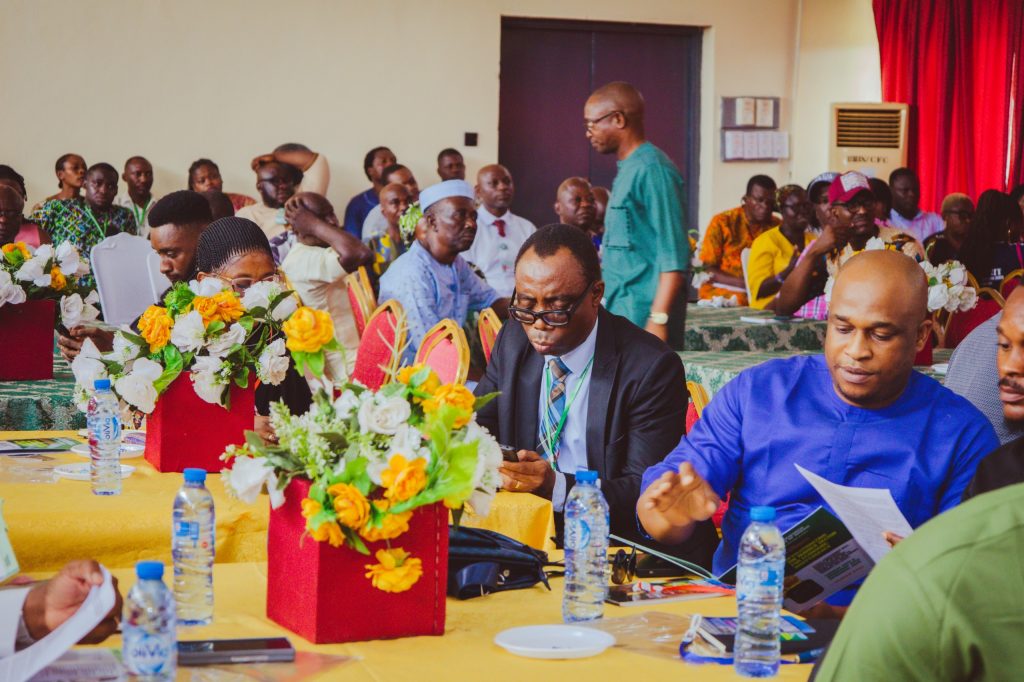
Senator Rabi Abdullahi revealed that efforts have reached an advanced stage for a national policy and strategic action plan for the rubber sub-sector of the Nigerian economy. He stated that the policy would provide necessary institutional backing, incentives, regulatory clarity to attract long-term private investments, catalyze research and innovation, support youth and women in rubber agribusiness, and position Nigeria as a competitive player in the global rubber market.
On his part, the Director General of Raw Materials Research and Development Council (RMRDC), Professor Nnanyelugo Ike-Muonso commended the organizers of the National Roundtable Dialogue and noted that “today’s event is significant, not only to the rubber sector but for Nigeria’s broader quest for industrial revitalization. He reminded participants that “natural rubber remains one of the world’s most indispensable raw materials. As a country abundantly endowed with the ecology for large-scale cultivation, Nigeria is poised to once again reclaim its historic and rightful place in the global rubber industry “. Prof Ike-Muonso assured participants and stakeholders that as “Nigeria’s focal agency for raw materials development, RMRDC stands fully aligned with ongoing efforts to deepen research – industry collaboration, strengthen sectoral governance, and promote value added processing capable of driving employment, industrial productivity, export competitiveness, and inclusive growth”, he emphasized. Prof Ike-Muonso further enumerated the huge impact which the RMRDC 30% Value Addition Bill currently awaiting Mr President’s assent, will have on the nation’s economic diversification and industrial growth agenda, to include: curbing the long-standing export of unprocessed commodities, deepening domestic industrial capacity, strengthening local manufacturing, enhancing foreign exchange earnings, promoting job creation across strategic value chains. According to the RMRDC DG, “once enacted, this Bill will serve as a catalytic framework to accelerate Nigeria’s transition from a raw-materials-dependent economy to a value-driven, industrially-competitive nation”.
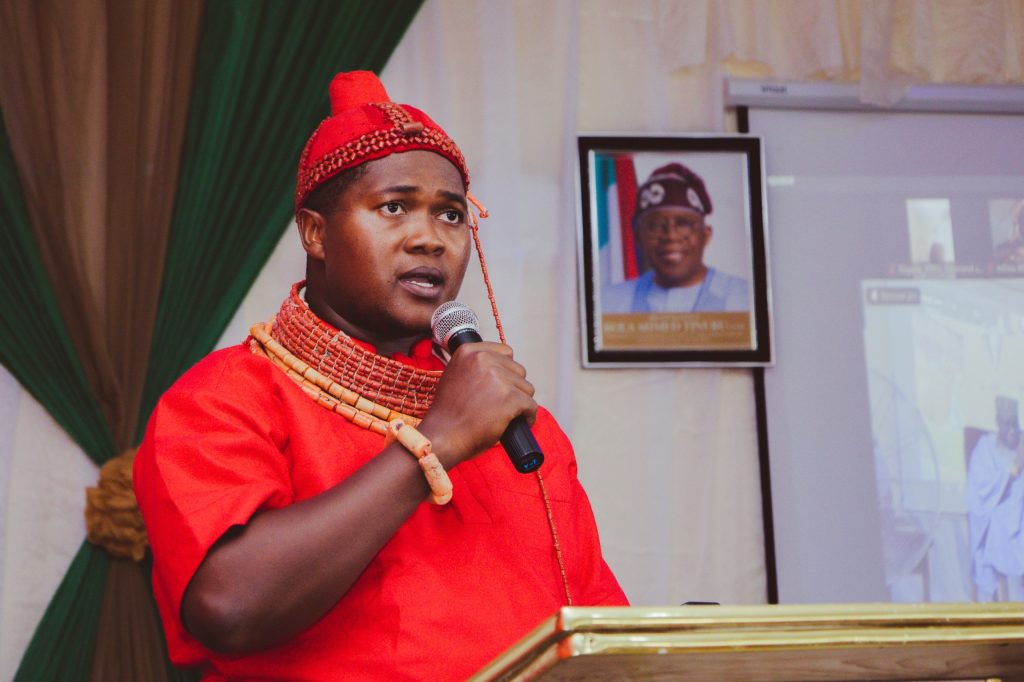
Earlier in her welcome address, the Executive Director and Chief Executive Officer of RRIN, Dr. Lelia Dongo reminded participants that in time past, Nigeria was among the world’s leading rubber producing nations. She acknowledged that the story has changed as the nation slipped to a distant 12th place in global rubber production. The RRIN boss informed the audience that the Roundtable Dialogue represents a bold and strategic opportunity to reflect, collaborate, and chart a transformative path for Nigeria’s rubber industry. She challenged participants to engage fully, share their experiences, challenge assumptions, offer solutions, and build partnerships as the future of Nigeria’s rubber sector depended on the insights and commitments that would emerge from the dialogue sessions.
You Might AlsoLike


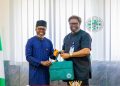

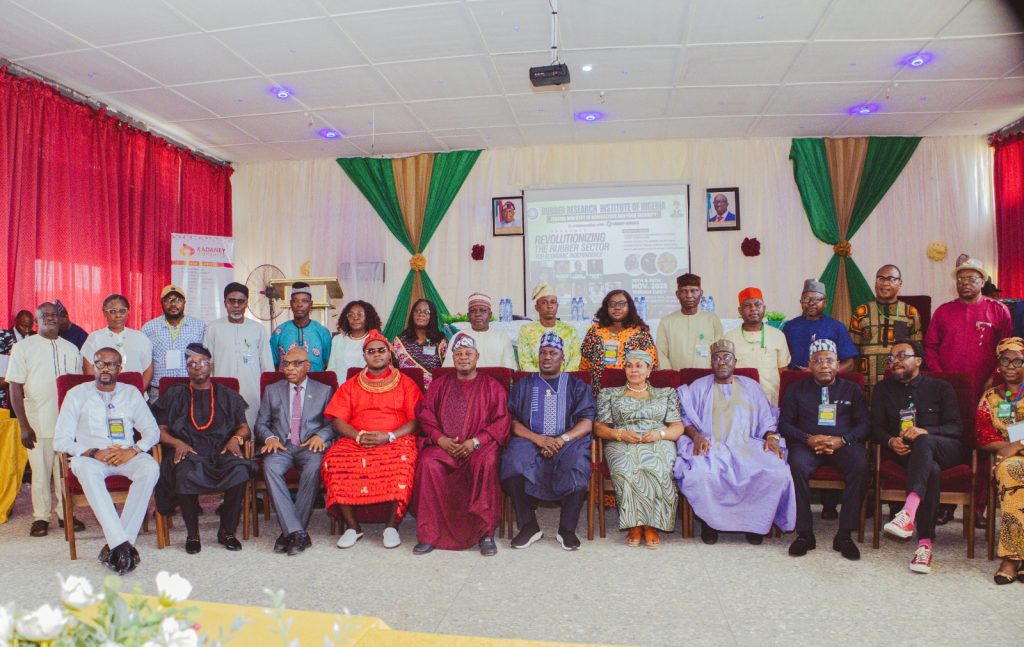
The two-day National Dialogue on Rubber drew participants from policymakers, industrialists, entrepreneurs, traditional institutions, organised private sectors, investors, government agencies, among others.