
By Adaora Adibe & Nafisat Abdulrahaman
At the second edition of the Raw Materials Research and Development Council (RMRDC) Fortnightly Lecture Series, live-streamed via YouTube broadcast on Thursday, 11th September 2025, experts have emphasised the transformative role of mapping technologies in driving Nigeria’s industrial growth and sustainable resource management.

Speaking on the theme of “Mapping Nigeria’s Raw Materials Diversity: Geo-spatial Analysis and Resource Distribution,” resource mapping specialist, Mr Ogbonna, underscored how advanced geo-spatial tools can revolutionise the identification, documentation, and utilisation of the nation’s abundant raw material resources.
He spotlighted how data-driven mapping tools can transform decision-making in agriculture, infrastructure, health, and disaster management. With Nigeria’s rapid population growth and complex resource challenges, the speakers emphasised that harnessing geo-spatial intelligence is not just an innovation, but a necessity for sustainable planning and inclusive growth.
According to him, geo-spatial analysis offers Nigeria an opportunity to build a comprehensive database that not only highlights the location of raw materials but also reveals their quality, accessibility, and industrial potential. “Mapping is important in the innovation space. Mapping is more like a light… Whatever is unaccounted for, you can’t measure, you can’t track,” he said.
You Might AlsoLike




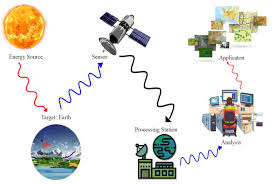
Ogbonna noted that mapping reduces guesswork, enhances informed decision-making, and strengthens the alignment between resource availability and industrial demand. He added that Geographic Information Systems (GIS), a blend of software and hardware for managing and analysing satellite data, are vital tools for resource mapping, exploration efficiency, environmental management, and policy planning.
Despite the vast opportunities, he identified pressing challenges that continue to hinder Nigeria’s effective resource utilisation. These include the short shelf life of agricultural products, high energy requirements for mining, inadequate storage facilities, and weak telecommunication infrastructure, an enabler he described as crucial to both resource mapping and industrial growth.
Highlighting the imbalance between production and consumption, Ogbonna stressed the need for urgent action. “Our consumption is higher than our production. We have large consumption in the country and very low production,” he said, calling for increased investment, innovation, and strong policy frameworks to close the gap.

As the lecture series drew to a close, participants echoed a shared urgency: the integration of geo-spatial technologies must move from policy discussion to practical implementation. They called for increased investment in capacity building, data infrastructure, and cross-sector collaboration to ensure these tools are accessible and impactful. The RMRDC’s commitment to fostering such conversations marks a vital step toward a future where data-driven insights guide Nigeria’s development priorities, ensuring that no community is left behind in the nation’s quest for sustainable growth.
In her closing remarks, the Director, National Competitiveness Strategy and Special Projects, Dr Valerie Ehimiaghe, who spoke on behalf of the Director General RMRDC, Prof. Nnanyelugo Ike-Muonso, commended the resource person for the thought-provoking lecture, further describing it as intellectually rewarding and impactful. She praised the initiator and staff of the Council for their active participation and urged the continuation of the programme on a broader scale.
Professor John John, the initiator of the lecture series and also a Senior Special Assistant to the Director-General of RMRDC, revealed plans to expand participation in subsequent editions. Beginning next month, he said, five staff members from each department will be nominated to join the series, ensuring inclusivity and rotation across the Council.
Launched in September 2025, the RMRDC Fortnightly Lecture Series seeks to create a platform for dialogue on issues central to raw materials development and utilisation. By drawing insights from experts across diverse fields, the lectures aim to inform policy, strengthen industry linkages, and promote innovation in Nigeria’s raw materials.