
Sadiya Abdullahi, Oluwaseyi Otitoju
Nigeria stands at the threshold of a golden opportunity—one that lies not beneath the soil but within it. Turmeric (Curcuma longa), often referred to as the “golden spice for life,” is more than just a vibrant root used in curries or traditional remedies. It is a multi-billion-naira industry waiting to blossom in Nigeria if given the right boost in local processing, research investment, and market linkage.

Globally recognized for its culinary, cosmetic, and pharmaceutical applications, turmeric offers immense potential as a high-value industrial raw material. With its distinctive yellow-orange hue and powerful curcuminoids, turmeric is fast becoming a staple in everything from spice racks and skincare lines to pharmaceutical shelves.
But while countries like India—currently responsible for over 75% of global turmeric production—have built an entire industry around it, Nigeria lags behind, exporting raw turmeric at minimal value and importing its processed derivatives at a premium. Ironically, Nigeria is the fourth largest producer of turmeric in the world, contributing around 3% of the global supply (Akinola et al., 2020), yet it is missing out on the immense revenue and job creation that come from local value addition.
Growing Gold: The State of Turmeric Cultivation in Nigeria
You Might AlsoLike




Turmeric grows well in Nigeria’s Middle Belt and Southern states such as Kaduna, Benue, Nasarawa, Ekiti, and Cross River. These areas offer the loamy, well-drained soil that turmeric thrives in. However, most farmers still operate at subsistence levels with little or no access to processing equipment or post-harvest handling support.
Several local varieties like “Naija Queen” and “Lagos Gold” have shown good adaptability to Nigerian soil and resilience to pests and diseases. Yet, they typically possess lower curcumin content (2-4%) than their Indian counterparts such as Lakadong (7-9%), limiting their use for medicinal purposes and high-end cosmetics. Still, these local types are ideal for culinary uses—if properly processed, packaged, and promoted.
The Real Value Lies in Processing

The true economic value of turmeric lies in its transformation from root to refined product. From flavorful seasoning and herbal tea blends to curcumin capsules and rejuvenating skin creams, the market for processed turmeric is expansive and growing.
According to global projections, the demand for turmeric is expected to reach 1.5 million metric tons by 2027, up from 1.1 million tons in 2020. Nigeria is poised to tap into this surge—if local processing is scaled up.
The three primary value chains where turmeric can shine are:
1. Culinary Processing: Spicing Up Nigeria’s Agri-food Sector
Nigerian turmeric, with its mild curcumin levels, is perfectly suited for culinary applications. From powder for seasoning to turmeric-infused drinks, the culinary market is ripe for expansion.
Culinary Processing Stages:
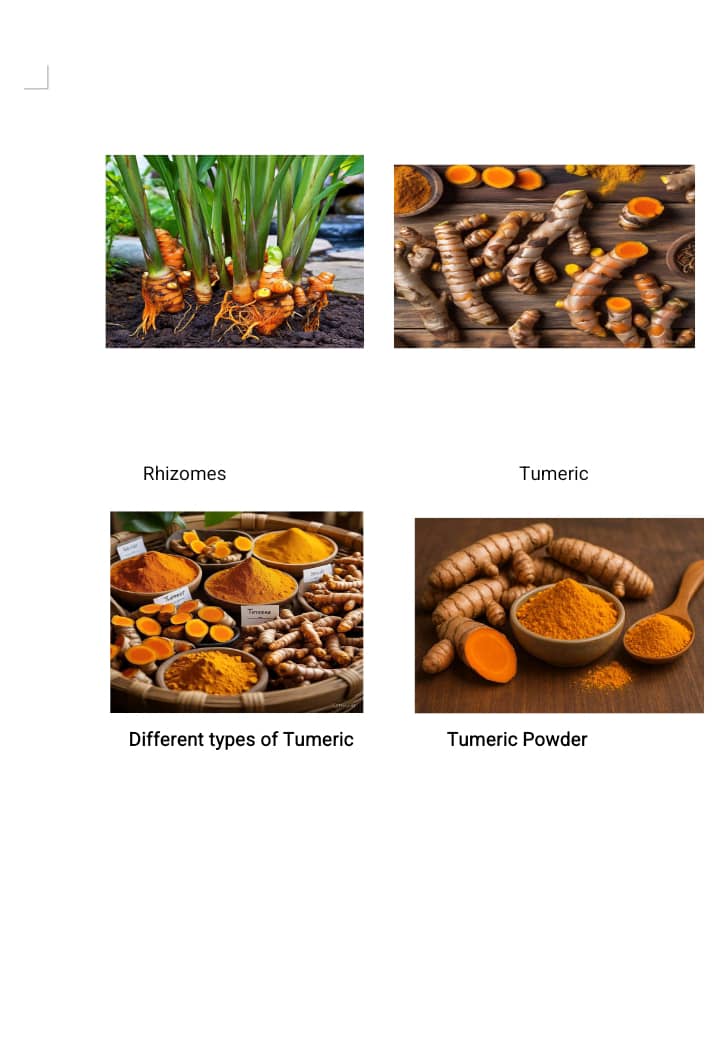
Washing and boiling of fresh rhizomes
Drying (sun or mechanical)
Grinding and sieving
Packaging into consumer-ready products (e.g., spice jars, tea sachets, capsules)
Upscaling culinary turmeric processing can enhance income for rural women, SMEs, and youth-led startups while reducing Nigeria’s dependence on imported seasoning products.
2. Cosmetic Processing: Beauty in a Root
Curcumin has been clinically proven to possess antimicrobial, skin-brightening, and anti-aging properties. Nigeria’s booming natural skincare sector can benefit from turmeric-based products—especially when blended with local ingredients like shea butter, aloe vera, and carrot oil.
Cosmetic Processing Steps:
Grinding or oil extraction
Blending with natural bases and additives
Pouring into molds or containers
Packaging and branding
With improved varieties of turmeric rhizomes containing higher curcumin content, Nigeria can penetrate export markets for organic skincare and personal care products.
3. Pharmaceutical Applications: A Root with Healing Powers
Turmeric’s medicinal uses date back centuries. Its bioactive compound, curcumin, has shown potential in treating inflammation, hypertension, arthritis, and even cancer. Its antioxidant and prebiotic properties are also gaining recognition in modern medicine.