• About
  • Advertise
  • Expos
  • Events
  • Collaborations
  • Industrial Tours
  • Archives
  • FAQs
  • Contact
Sunday, July 19, 2026
Raw Materials 360
No Result
View All Result
  • News
    • Headlines
    • Top Stories
    • Special Reports
    • News Categories
      • 360° Tech Minerals
      • Agriculture & Infrastructure
      • Capacity Building
      • Column & Opinion
      • Editorial
      • Exclusive
      • Industries
      • Policies & Laws
      • Raw Materials’ Market
      • Research & Development
      • Special Reports
      • Technological Advancement
      • The Eco Girl
      • 4th Revolutionary Science
  • Technological Advancement
  • Research & Infrastructure
    • Raw Materials Research and Innovation Efforts
  • Industries
  • Reports from States
    • South West
      • Ekiti
      • Lagos
      • Ogun
      • Ondo
      • Oyo
      • Osun
    • South East
      • Abia
      • Anambra
      • Ebonyi
      • Enugu
      • Imo
    • South South
      • Akwa Ibom
      • Cross River
      • Rivers
      • Bayelsa
      • Delta
      • Edo
    • North West
      • Kaduna
      • Kano
      • Jigawa
      • Katsina
      • Kebbi
      • Sokoto
      • Zamfara
    • North East
      • Adamawa
      • Bauchi
      • Borno
      • Gombe
      • Yobe
      • Taraba
    • North Central
      • Benue
      • Kogi
      • Kwara
      • Nasarawa
      • Niger
      • Plateau
  • Policies & Laws
  • Raw Materials’ Market
  • News
    • Headlines
    • Top Stories
    • Special Reports
    • News Categories
      • 360° Tech Minerals
      • Agriculture & Infrastructure
      • Capacity Building
      • Column & Opinion
      • Editorial
      • Exclusive
      • Industries
      • Policies & Laws
      • Raw Materials’ Market
      • Research & Development
      • Special Reports
      • Technological Advancement
      • The Eco Girl
      • 4th Revolutionary Science
  • Technological Advancement
  • Research & Infrastructure
    • Raw Materials Research and Innovation Efforts
  • Industries
  • Reports from States
    • South West
      • Ekiti
      • Lagos
      • Ogun
      • Ondo
      • Oyo
      • Osun
    • South East
      • Abia
      • Anambra
      • Ebonyi
      • Enugu
      • Imo
    • South South
      • Akwa Ibom
      • Cross River
      • Rivers
      • Bayelsa
      • Delta
      • Edo
    • North West
      • Kaduna
      • Kano
      • Jigawa
      • Katsina
      • Kebbi
      • Sokoto
      • Zamfara
    • North East
      • Adamawa
      • Bauchi
      • Borno
      • Gombe
      • Yobe
      • Taraba
    • North Central
      • Benue
      • Kogi
      • Kwara
      • Nasarawa
      • Niger
      • Plateau
  • Policies & Laws
  • Raw Materials’ Market
Raw Materials 360
Advertisement Advertisement Advertisement
The Role of Vermicomposting in Agriculture Sustainability

The Role of Vermicomposting in Agriculture Sustainability

Raw Materials 360 by Raw Materials 360
May 28, 2025
Reading Time: 3 mins read
Share on FacebookShare on Twitter

By Precious Mbaramah

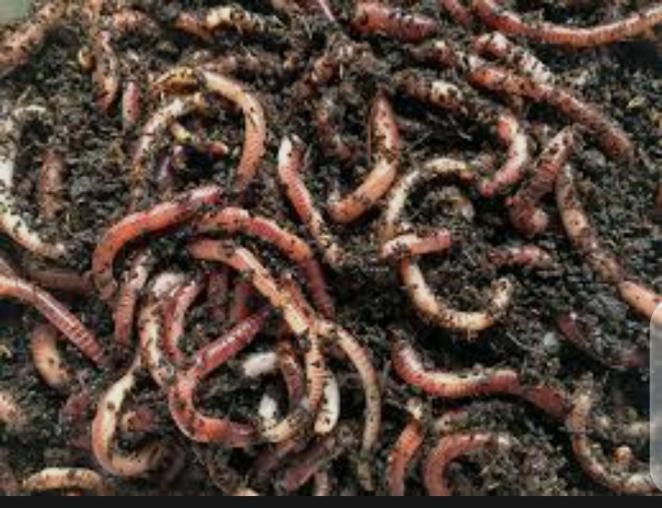
In an era marked by climate change and increasing waste production, sustainable practices are becoming more vital than ever. One such practice is vermicomposting or worm composting which has gained traction as an innovative approach for sustainable raw material production. With a growing global focus on sustainability and circular economies, vermicomposting offers numerous economic benefits for agriculture. By harnessing the power of worms to break down organic waste, farmers and agricultural businesses can reduce their environmental footprint, improve soil health, and increase crop yields.

RMRDC Radio RMRDC Radio RMRDC Radio

Economic Benefits of Vermicomposting

Improving Soil Health

Vermicomposting plays a critical role in improving soil health, which is essential for sustainable agriculture. The nutrient-rich compost produced through worm composting is teeming with microorganisms that help to break down complex nutrients, making them more available to plants. This can lead to healthier plants, improved growth rates, and increased crop yields. Additionally, vermicompost adds organic matter to the soil, improving its structure and fertility, and increasing its water-holding capacity.

You Might AlsoLike

RMRDC Rebrands and Relaunches Journal of Raw Materials Research to Boost Global Visibility of Nigeria’s Research Efforts

RMRDC Rebrands and Relaunches Journal of Raw Materials Research to Boost Global Visibility of Nigeria’s Research Efforts

July 18, 2026
NAN MD Commends RMRDC, Pledges Partnership to Showcase Nigeria’s Raw Materials Breakthroughs to Global Audience

NAN MD Commends RMRDC, Pledges Partnership to Showcase Nigeria’s Raw Materials Breakthroughs to Global Audience

July 18, 2026
RMRDC Sokoto Explores Research Collaboration with Sokoto State Polytechnic

RMRDC Sokoto Explores Research Collaboration with Sokoto State Polytechnic

July 18, 2026
RMRDC Repositioning Nigeria’s Raw Materials Sector for Industrialisation, Says DG

RMRDC Repositioning Nigeria’s Raw Materials Sector for Industrialisation, Says DG

July 17, 2026

Reducing Chemical Use

Vermicomposting can also help to reduce the use of chemical fertilizers and pesticides in agriculture. By providing a natural alternative to synthetic fertilizers, vermicompost can help to promote healthy plant growth without the need for chemical inputs. This can lead to reduced environmental pollution, improved soil health, and healthier food products.

Increasing Crop Yields

Post Graduate Admission Post Graduate Admission Post Graduate Admission

Vermicomposting can also increase crop yields, which is critical for food security and sustainable agriculture. By improving soil health and providing essential nutrients, vermicompost can help to promote healthy plant growth and increase crop yields. Studies have shown that vermicomposting can increase crop yields by up to 20%, which can have a significant impact on a farm’s bottom line.

Supporting Sustainable Agriculture

Vermicomposting is a key component of sustainable agriculture practices. By reducing waste, promoting soil health, and reducing chemical use, vermicomposting can help to promote eco-friendly agriculture practices. Additionally, vermicomposting can help to mitigate climate change by reducing greenhouse gas emissions and sequestering carbon in the soil.

A study in India found that vermicomposting improved soil health, increased crop yields, and reduced chemical use, leading to higher income and less environmental pollution. Similarly, a study in the United States reported a 30% reduction in fertilizer costs and a 15% increase in crop yields due to vermicomposting, which also decreased waste disposal costs and enhanced soil health. Both studies concluded that vermicomposting is a sustainable and cost-effective agricultural solution.

In conclusion, vermicomposting is a game-changer for agriculture, offering a sustainable and cost-effective solution for farmers and agricultural businesses. By harnessing the power of worms, we can reduce waste, improve soil health, and promote sustainable agriculture practices. As we look to the future, it is clear that vermicomposting will play a critical role in shaping the agriculture industry and promoting a more sustainable food system.


Tags: VERMICOMPOSTING
ShareTweet

Get Real Time Notifications on Similar Posts. Subscribe Now!

Unsubscribe
Advertisement Advertisement Advertisement
ADVERTISEMENT
Previous Post

NEPC, RMRDC, Others Promote Service Export for Economic Growth

Next Post

Sustainable Economic Development: Rev. Bunmi Jenyo Advocates for Value Addition in Nigeria

Raw Materials 360

Raw Materials 360

More News

RMRDC Rebrands and Relaunches Journal of Raw Materials Research to Boost Global Visibility of Nigeria’s Research Efforts

RMRDC Rebrands and Relaunches Journal of Raw Materials Research to Boost Global Visibility of Nigeria’s Research Efforts

July 18, 2026
NAN MD Commends RMRDC, Pledges Partnership to Showcase Nigeria’s Raw Materials Breakthroughs to Global Audience

NAN MD Commends RMRDC, Pledges Partnership to Showcase Nigeria’s Raw Materials Breakthroughs to Global Audience

July 18, 2026
RMRDC Sokoto Explores Research Collaboration with Sokoto State Polytechnic

RMRDC Sokoto Explores Research Collaboration with Sokoto State Polytechnic

July 18, 2026
RMRDC Repositioning Nigeria’s Raw Materials Sector for Industrialisation, Says DG

RMRDC Repositioning Nigeria’s Raw Materials Sector for Industrialisation, Says DG

July 17, 2026
RMRDC Participates in OGUNCCIMA’s 42nd AGM and Investiture, Reaffirms Commitment to Value Addition and Industrial Development

RMRDC Participates in OGUNCCIMA’s 42nd AGM and Investiture, Reaffirms Commitment to Value Addition and Industrial Development

July 17, 2026
Osun-RMRDC, Armstrong Paint Explore Local Raw Materials Opportunities to Strengthen Paint Production

Osun-RMRDC, Armstrong Paint Explore Local Raw Materials Opportunities to Strengthen Paint Production

July 16, 2026
Next Post
Sustainable Economic Development: Rev. Bunmi Jenyo Advocates for Value Addition in Nigeria

Sustainable Economic Development: Rev. Bunmi Jenyo Advocates for Value Addition in Nigeria

Advertisement Advertisement Advertisement
No Result
View All Result

The Raw Materials Research and Development Council (RMRDC) is an agency of the Federal Government of Nigeria (under the supervision of Federal Ministry of Science, Technology and Innovation) vested with the mandate to promote the development and utilization of Nigeria’s industrial raw materials.

Latest Updates

  • RMRDC Rebrands and Relaunches Journal of Raw Materials Research to Boost Global Visibility of Nigeria’s Research Efforts
  • NAN MD Commends RMRDC, Pledges Partnership to Showcase Nigeria’s Raw Materials Breakthroughs to Global Audience
  • RMRDC Sokoto Explores Research Collaboration with Sokoto State Polytechnic
  • RMRDC Repositioning Nigeria’s Raw Materials Sector for Industrialisation, Says DG
  • RMRDC Participates in OGUNCCIMA’s 42nd AGM and Investiture, Reaffirms Commitment to Value Addition and Industrial Development

Quick Links

  • About
  • Advertise
  • Expos
  • Events
  • Collaborations
  • Industrial Tours
  • Archives
  • FAQs
  • Contact

Newsletter Subscription

Subscribe to our newsleter to get latest updates from the Raw Materials Research & Development Council.

SUBSCRIBE

  • About
  • Advertise
  • Expos
  • Events
  • Collaborations
  • Industrial Tours
  • Archives
  • FAQs
  • Contact

All Rights Reserved © 2024 Raw Materials Research & Development Council

Welcome Back!

Login to your account below

Forgotten Password?

Retrieve your password

Please enter your username or email address to reset your password.

Log In

Add New Playlist

No Result
View All Result
  • News
    • Headlines
    • Top Stories
    • Special Reports
    • News Categories
      • 360° Tech Minerals
      • Agriculture & Infrastructure
      • Capacity Building
      • Column & Opinion
      • Editorial
      • Exclusive
      • Industries
      • Policies & Laws
      • Raw Materials’ Market
      • Research & Development
      • Special Reports
      • Technological Advancement
      • The Eco Girl
      • 4th Revolutionary Science
  • Technological Advancement
  • Research & Development
    • Raw Materials Research and Innovation Efforts
  • Industries
  • Reports from States
    • South West
      • Ogun
      • Ondo
      • Ekiti
      • Oyo
      • Osun
      • Lagos
    • South East
      • Abia
      • Anambra
      • Ebonyi
      • Enugu
      • Imo
    • South South
      • Akwa Ibom
      • Bayelsa
      • Cross River
      • Delta
      • Edo
      • Rivers
    • North West
      • Jigawa
      • Kaduna
      • Kano
      • Katsina
      • Kebbi
      • Sokoto
      • Zamfara
    • North East
      • Adamawa
      • Bauchi
      • Borno
      • Gombe
      • Yobe
      • Taraba
    • North Central
      • Benue
      • Kogi
      • Kwara
      • Nasarawa
      • Niger
      • Plateau
  • Policies & Laws
  • Raw Materials’ Market

All Rights Reserved © 2024 Raw Materials Research & Development Council