
By Halima Olufadi and Stephanie Tsegba
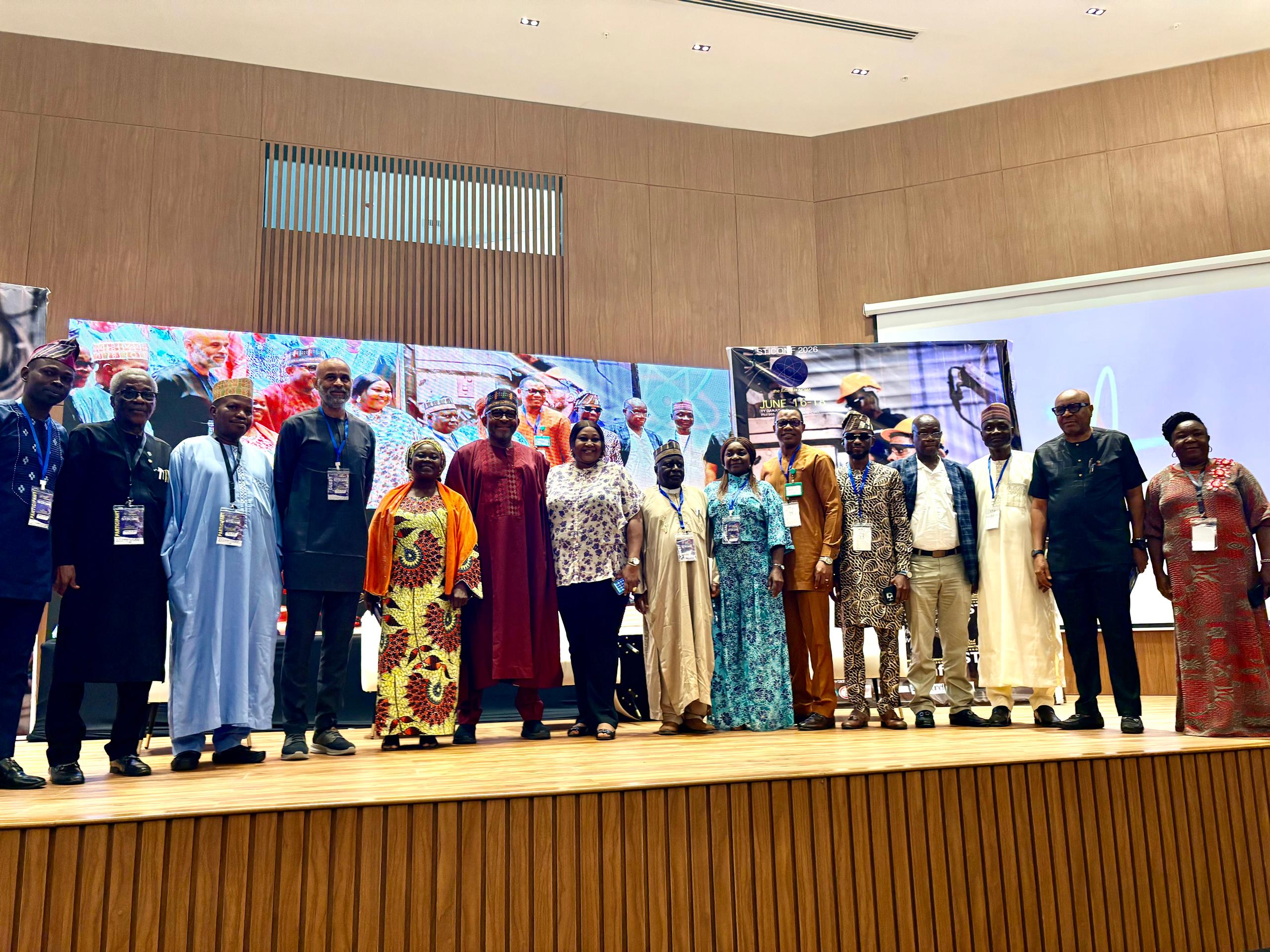
The need to strengthen collaboration between research institutions and industry as a catalyst for innovation, industrialization, and economic growth took center stage at the 2nd International Conference on Science, Technology and Innovation (STIConf 2026), held from June 16 to 18, 2026, at the T.Y. Danjuma Foundation, Abuja.

The three-day conference, themed “Bridging the Tech Divide: Strengthening Research Institutions-Industry Linkages for Achieving Africa’s Global Competitiveness,” was hosted by the Federal Ministry of Innovation, Science and Technology (FMIST) in collaboration with the WelcomeToNigeria Development Initiative (WeNDI). The event brought together policymakers, heads of government agencies, business leaders, members of the armed forces, representatives of the National Assembly, academics, researchers, innovators, and students to deliberate on strategies for advancing Africa’s science, technology, and innovation (STI) ecosystem.
Speaking on behalf of the Honourable Minister of Innovation, Science and Technology, Dr. Kingsley Udeh, SAN, the Permanent Secretary of FMIST, Dr. Mukhtar Yawale Muhammed (MFR, mni), highlighted the urgent need to bridge the gap between research and industry. He observed that while Nigerian universities and research institutions have generated valuable innovations, weak collaboration has hindered their commercialization and adoption, resulting in continued dependence on imported technologies.
According to him, the Ministry is championing a transition from research for publication to research for commercialization through initiatives such as the Energize Commercialization Initiative and the newly approved National Research and Innovation Development Fund (NRIDF). He also called on the private sector to play a more active role in funding research and development, commercializing innovations, and supporting the infrastructure required for technological advancement and industrial growth.
You Might AlsoLike




Earlier in his welcome address, Founder and President of WeNDI, Mr. Isa Yusuf Sago, emphasized the need for Africa to transition from being primarily a consumer of imported technologies to becoming a continent that creates, manufactures, patents, and exports its own innovations. He stressed that no African nation could achieve this objective in isolation and called for stronger regional cooperation, noting that Nigeria, as Africa’s largest economy, must place science, technology, and innovation at the center of its development agenda.
Mr. Sago identified key priorities necessary for achieving this vision, including improved data systems for evidence-based policymaking, stronger linkages between universities, research institutions and industry, effective technology transfer mechanisms, increased scientific literacy, support for indigenous manufacturing, and sustainable funding for science, technology and innovation. He urged stakeholders to ensure that conference deliberations translate into concrete actions, partnerships, and measurable outcomes.
The conference featured series of plenary and technical panel sessions that examined critical issues affecting Africa’s innovation ecosystem. In which the Director-General/CEO of the Raw Materials Research and Development Council (RMRDC), Prof. Nnanyelugo Ike-Muonso, represented by the Director of the Research and Demonstration Plant Complex Department (RDPCD), Dr. O. Okafor, joined experts to discuss climate-smart agriculture, biotechnology, precision agriculture, and post-harvest technologies during the fourth panel session on Agricultural Innovation and Food Systems in Africa

The session explored how scientific research can contribute to food security, agro-industrial development, and sustainable agricultural transformation. Discussions emphasized that food security extends beyond crop production to include regulation, processing, storage, transportation, quality assurance, commercialization, and market access. Participants also examined strategies for reducing post-harvest losses, strengthening agricultural value chains, supporting micro, small and medium enterprises, and improving collaboration among research institutions and industry stakeholders.

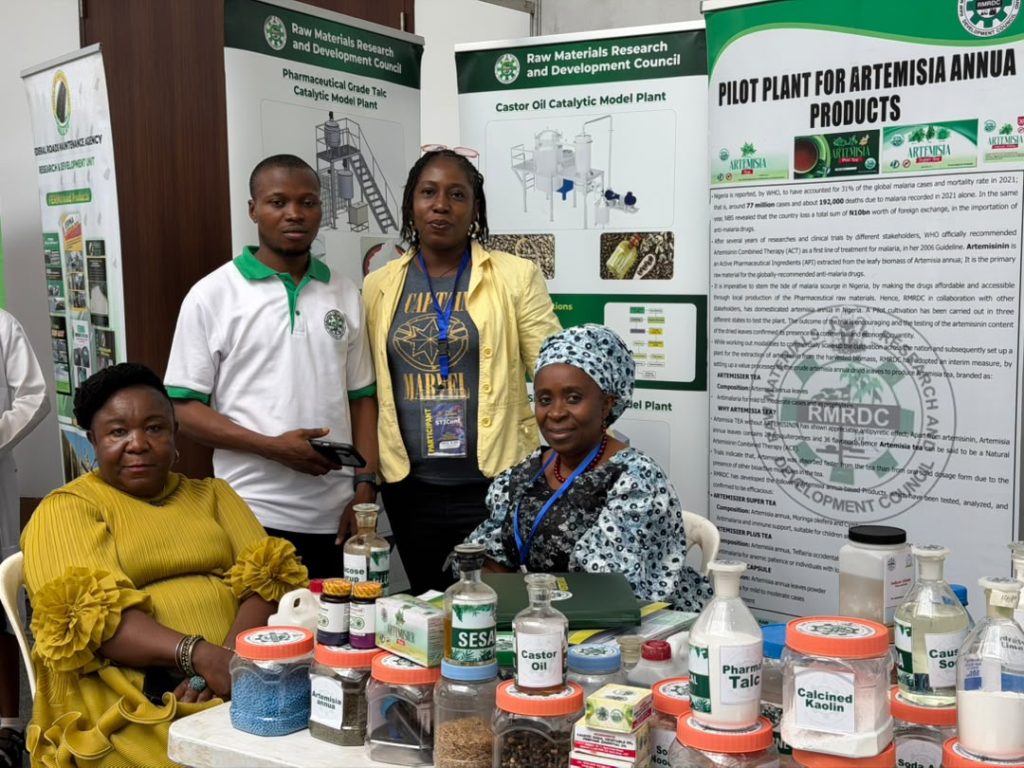
In her contribution, Dr. Okafor stressed the need for increased government investment in science, technology, and innovation, noting that adequate funding and an enabling environment would significantly enhance the contribution of research to national economic growth. She also highlighted RMRDC’s locally fabricated machines and technologies developed to support value addition and industrial development.
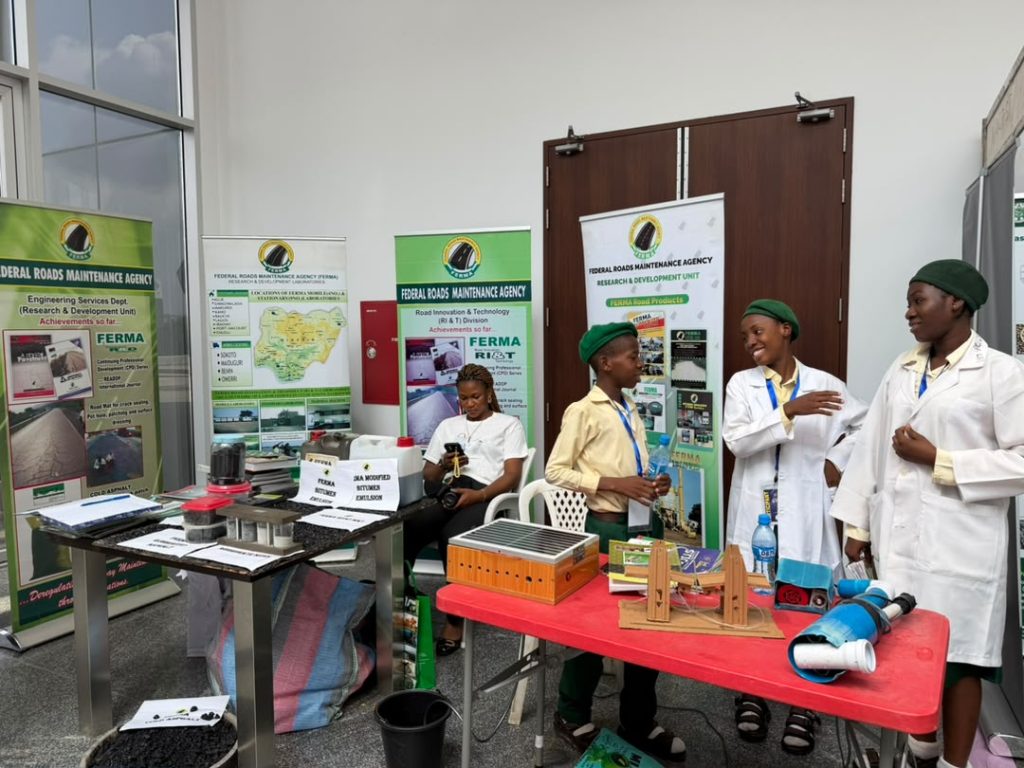
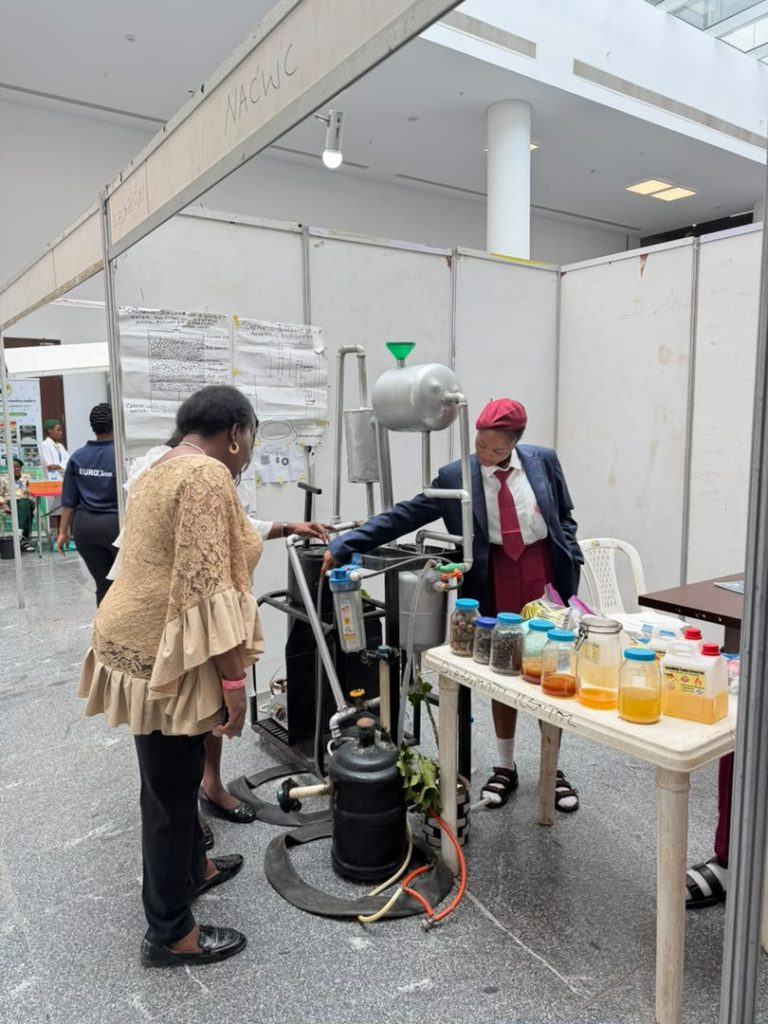
The conference further featured exhibitions by students from Government Secondary Schools in FCT who displayed innovative projects that attracted commendation from participants and stakeholders during exhibition tours.
Other displays included products by RMRDC, Energy Commission of Nigeria (ECN), Federal Roads Maintenance Agency (FERMA), National Centre for Petroleum Research and Development (NCPRD), National Board for Technology Incubation (NBTI) and National Biotechnology Research and Development Agency (NBRDA)
Participants called for stronger leadership and coordination of Nigeria’s STI ecosystem through the communiqué, government was urged to strengthen the supervisory role of FMIST, enhance collaboration among government agencies, academia, research institutions, and industry, and increase funding for research and innovation through sustainable financing mechanisms, public-private partnerships, venture capital, and private sector investment.
The communiqué also recommended periodic reviews of university and technical education curricula to align graduates’ skills with emerging industry needs. It further advocated greater investment in innovation infrastructure, including incubation centres, technology transfer offices, innovation hubs, accelerators, and pilot production facilities. Priority investment areas identified included climate-smart agriculture, agricultural biotechnology, agro-processing, genomics, bioinformatics, vaccine development, and pharmaceutical innovation.