By Perpetual Anozie
In a strategic move to deepen collaboration between academia and industry for sustainable industrial development, the Anambra State Coordinating Office of the Raw Materials Research and Development Council (RMRDC) has intensified awareness on the use of alternative indigenous raw materials through an engagement with the Research Production Cluster of the Faculty of Engineering, Nnamdi Azikiwe University, Awka, which is a renowned research and production unit headed by a distinguished researcher, Professor Christopher Chukwutoo Ihueze.

The visit, which took place at the Research Production Cluster within the Faculty of Engineering, provided an opportunity to showcase innovative research outputs and locally driven production technologies developed by academic researchers and innovators. It also created a strategic platform for interaction between the RMRDC team and researchers focused on transforming locally available raw materials into commercially viable industrial products.
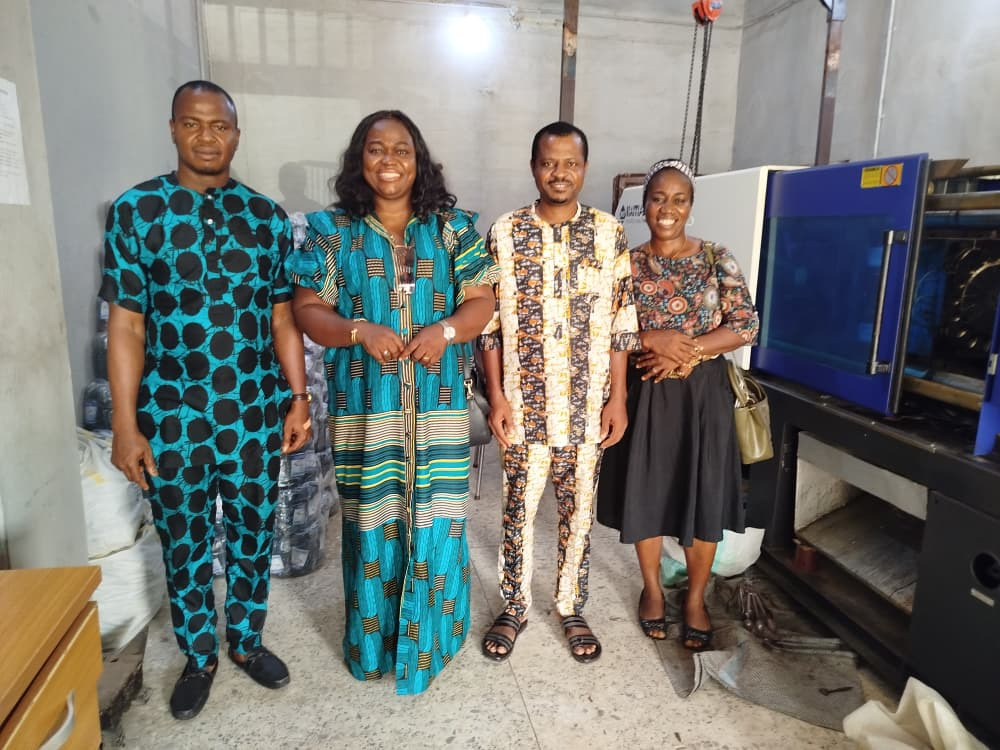
Speaking during the visit, the Anambra State Coordinator of RMRDC, Dr. Mrs. Uche Arinze-Nwosu, reiterated the Council’s mandate of promoting the optimal utilization of Nigeria’s abundant raw material resources for industrial growth and national economic development.
She urged the research team to prioritize the use of indigenous raw materials as alternatives to imported inputs, noting that local sourcing would significantly reduce production costs, enhance value addition, and strengthen Nigeria’s industrial competitiveness.
You Might AlsoLike




Also speaking, the Manager of the Research Production Cluster, Dr. Uchendu Onwurah, highlighted the facility’s innovative activities, particularly its waste-to-wealth initiative that converts transparent plastic waste into useful production materials.
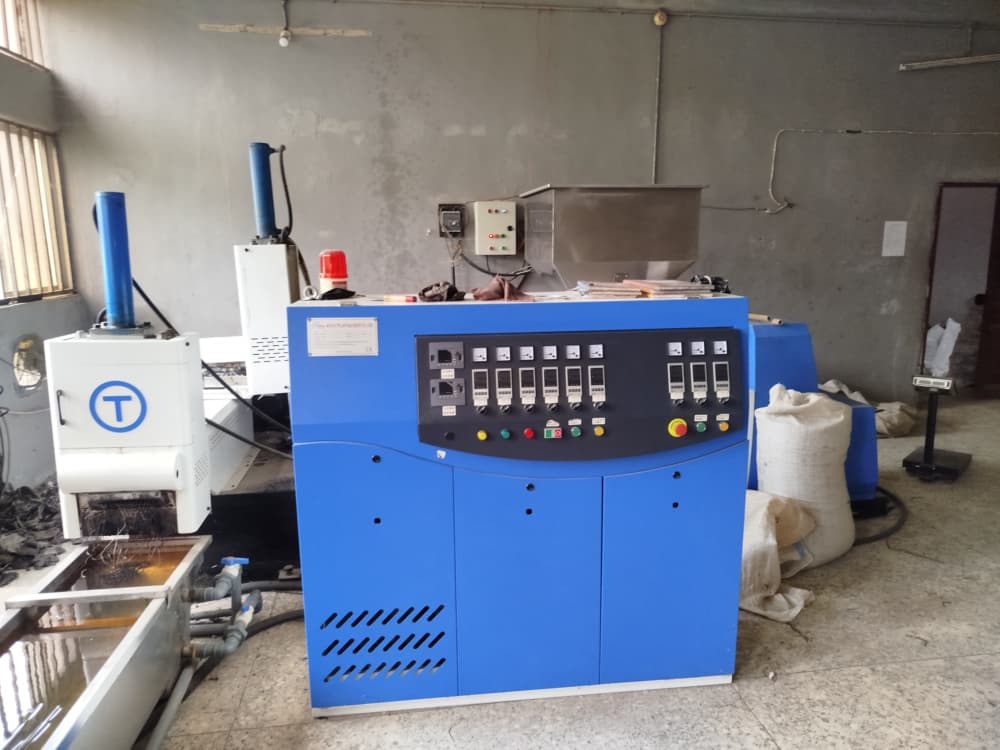
According to him, the initiative addresses environmental challenges associated with plastic waste disposal while creating economic opportunities through recycling and material recovery.
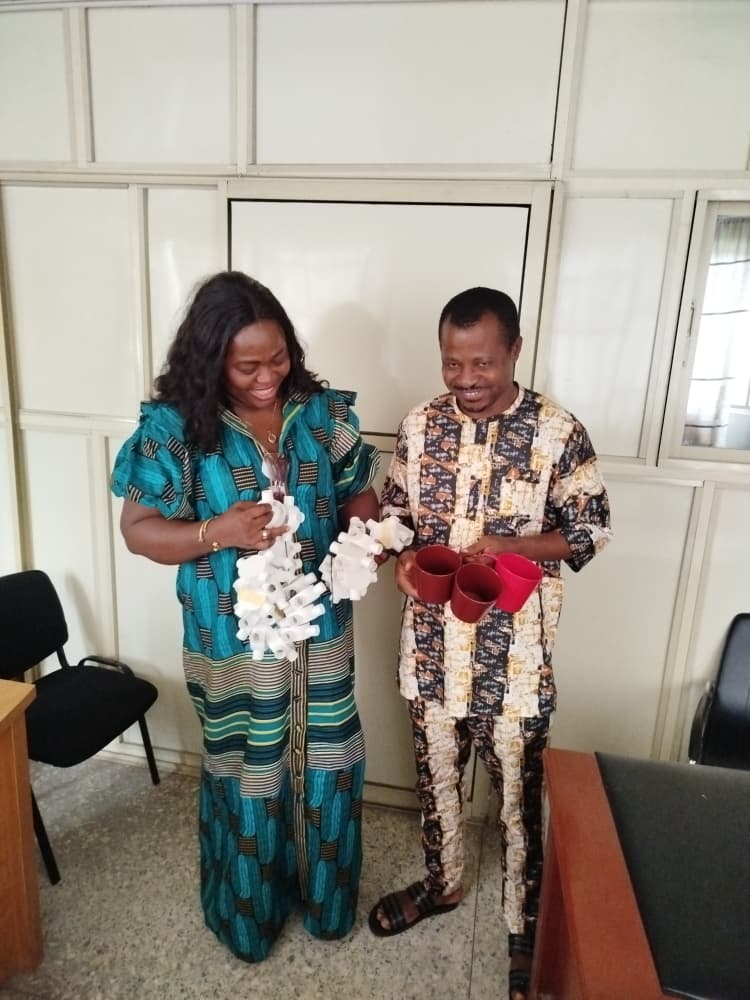
Dr. Onwurah further showcased one of the cluster’s remarkable engineering innovations—a four-way electrical switch fabricated using locally sourced materials such as plantain pseudo stem, pumpkin stem, and polypropylene composites.

He explained that the innovation demonstrates the practical application of agricultural residues and recycled materials in engineering production, underscoring the potential for integrating agriculture, environmental sustainability, and industrial manufacturing.
Discussions during the visit centred on identifying areas of collaboration aimed at scaling research outputs for industrial application and commercialization. Both institutions explored strategies to bridge the gap between academia and industry through technology transfer, innovation commercialization, and the promotion of indigenous technology development.
The visit reaffirmed RMRDC’s commitment to fostering innovation-driven industrialization through strategic partnerships with research institutions. It also underscored the importance of converting waste into valuable resources and promoting locally sourced raw materials as a sustainable pathway toward reducing dependence on imported industrial inputs and advancing Nigeria’s industrial self-reliance.