By Mustapha Shettima, Alfaya Jibrilla & Hajara Bomai
In a concerted effort to strengthen Nigeria’s non-oil export capacity and stimulate sustainable economic growth, the Raw Materials Research and Development Council (RMRDC) and the Nigerian Export Promotion Council (NEPC) convened a strategic stakeholder meeting in Maiduguri, Borno State. The forum brought together key actors from government agencies, the private sector, the Gum Arabic Association, and other commodity-based organizations.

The meeting opened with introductory remarks from the Permanent Secretary of the Ministry of Commerce, Trade, Investment, and Tourism, Mrs. Yakaka Ahmed, who underscored Borno State’s strategic location as a transnational trade hub due to its proximity to neighboring countries. She emphasized the need for dynamic inter-agency collaboration to position Borno as a leading player in Nigeria’s export landscape.
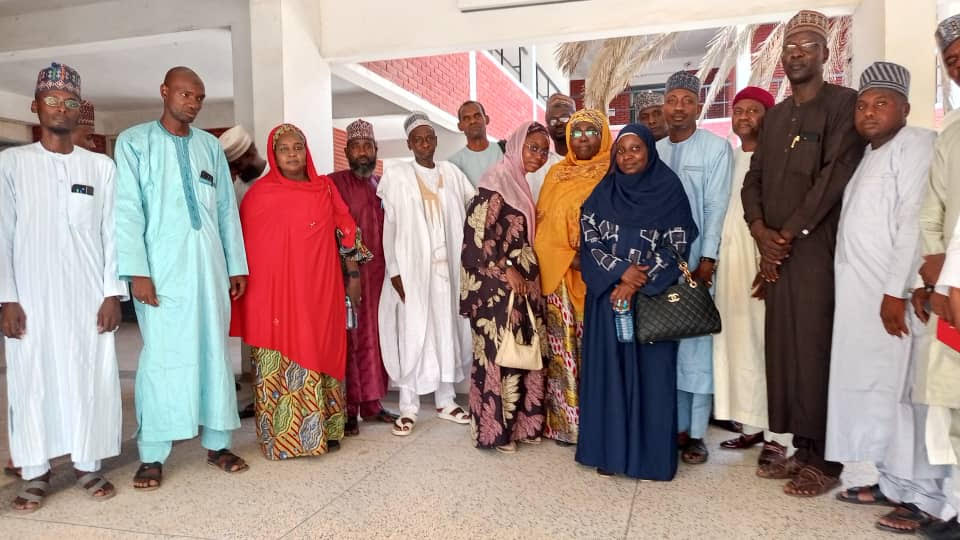
RMRDC representatives, including Hajara Bomai and Falmata Babakura Tijjani, engaged stakeholders in discussions centered on the promotion and export readiness of high-value commodities such as Acacia senegal (gum arabic), chilli pepper, and sesame seed. Participants urged NEPC to intensify its facilitative role in bridging local producers with global markets.
Director of Tourism, Mr. Yusuf Sabo, advocated for the establishment of product-specific export clusters to consolidate training, streamline market access, and deepen capacity-building initiatives. He also stressed the importance of consistency in stakeholder engagement, noting the long gap since the last major export meeting—held over two years ago—and proposed quarterly stakeholder forums to monitor progress effectively.
You Might AlsoLike




A key highlight of the session was the formal nomination of the Secretary to the State Government, Alhaji Bukar Tijani, as Chairman of the State Export Committee. This move is expected to provide stronger leadership and coordination for export-related initiatives in the state.
Mr. Mustapha Shettima of RMRDC reiterated the importance of organizing producers into clusters to ensure interventions reach credible grassroots participants. He also called for a diversified export strategy beyond gum arabic, aligning with the federal government’s “One State, One Product” (OSOP) initiative. Participants suggested aligning Borno’s designated export products with areas of comparative advantage.
The meeting further revisited the stalled government dry port project and revealed that a new private sector-led dry port has secured necessary approvals and is now awaiting commissioning. The development is seen as a major logistical milestone that will ease export operations in the region.

Representatives from the Nigerian Export-Import Bank (NEXIM) presented two key financial initiatives: the Produce, Add Value, Export (PAVE) program and the State Export Development Fund (SEDF), which offer financial support of up to ₦5 billion for private-sector projects and ₦2 billion for public-sector-led initiatives. These programs aim to stimulate value addition and improve export competitiveness.
Participants expressed strong support for the proposed collaboration with the University of Maiduguri Business School and the Lagos Commodities and Futures Exchange to establish a regional commodities market adjacent to the new dry port. This initiative is expected to create structured trading platforms for agricultural products and attract new investments into the region.
In closing, stakeholders celebrated a significant 70% increase in gum arabic production, largely attributed to improved security conditions. However, they noted that limited access to international markets and buyer networks remains a major constraint. Participants called on NEPC and development partners to intensify market linkage efforts and strengthen Borno’s position within Nigeria’s emerging export economy.