
By Adaora Adibe and Nafisat Abdulrahman
The Raw Materials Research and Development Council (RMRDC) Lecture Series has underscored the strategic importance of Geographical Indications (GIs) in enhancing Nigeria’s raw materials supply chain, with emphasis on the need for stronger policy frameworks and increased awareness to unlock the country’s vast potential.

Delivering a presentation titled “The Ecosystem of Nigeria Geographical Indications: Gateway to Raw Materials Supply Chain Efficiency,” the guest lecturer Mr. John John Uket explained that GIs are a form of intellectual property that links products to their geographical origin, thereby conferring authenticity, reputation, and legal protection.
According to the presentation, integrating GIs into Nigeria’s raw materials ecosystem can significantly improve traceability, reduce counterfeiting, and boost global competitiveness.

Citing global trends, the lecture noted that GIs represent a multi-billion-euro market, with Europe alone accounting for €74.8 billion in sales. Products with GI certification can command premium prices of between 20 to 50 percent higher than non-certified equivalents, making them a viable economic tool for developing countries like Nigeria.
You Might AlsoLike




The guest lecturer highlighted the role of institutions such as the World Intellectual Property Organization and the World Trade Organization in regulating and promoting GI systems globally. It also referenced international frameworks, including the Paris Convention, Madrid Agreement, and the Lisbon Agreement, which provide legal backing for the protection of origin-based products.
Speaking on Nigeria’s potential, John emphasized that all 36 states and the Federal Capital Territory possess unique agricultural, mineral, and artisanal products that could benefit from GI recognition. Commodities such as cocoa from Ondo and Cross River, leather from Kano and Aba, Ofada rice, and shea butter from the Middle Belt were identified as high-value products capable of gaining premium positioning in international markets.
He further outlined how GI adoption can strengthen rural economies by increasing farmer incomes, preserving cultural heritage, and creating access to global markets. Case studies such as Champagne in France, Darjeeling tea in India, and Colombian coffee were cited as successful examples of how GI branding has driven export growth and international recognition.

He noted that despite these opportunities, several challenges were identified, including weak legal frameworks, low awareness among producers, fragmented supply chains, and the high cost of certification and enforcement. The presentation stressed that without addressing these barriers, Nigeria risks underutilizing its rich resource base.
To address these gaps, he recommended strengthening GI legislation, building the capacity of farmers and cooperatives, promoting Nigerian GI products in global markets, and establishing dedicated research hubs. He also stated that collaboration with international organizations and regional bodies are critical to advancing Nigeria’s GI ecosystem.
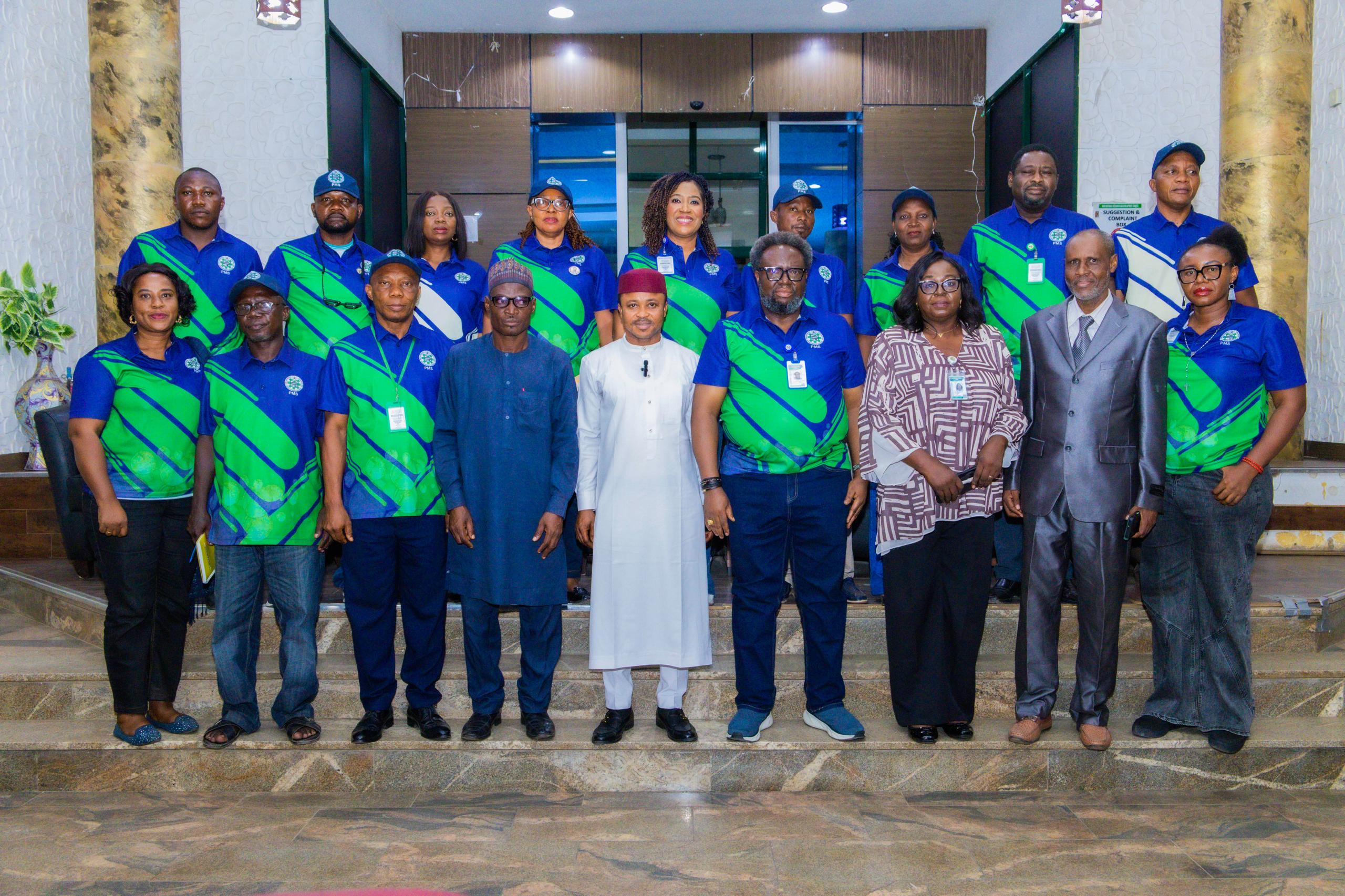
In his remarks, the DG/CEO, RMRDC, Prof Nnanyelugo Ike-Muonso commended the Guest Lecturer, Mr. John J. Uket, for an insightful and well delivered presentation, noting that the lecture had enriched his understanding of Geographic Indications (GIs). He stated that beyond acquiring knowledge, the next critical step is implementation, stressing that the ideas and recommendations presented must be translated into practical actions for meaningful impact.
While acknowledging the relevance of Geographical Indications (GIs), the Director-General emphasized that beyond knowledge sharing, the Council must focus on execution. Commending participants for their commitment to the lecture series, he said that the true value lies in translating ideas into practical outcomes.
“It is one thing to learn, but it is another to implement,” he said, urging staff to ensure that insights gained from the lecture series are effectively applied.
He further disclosed that the Council’s upcoming promotion exercise will draw questions from the all editions of the RMRDC Lecture Series and therefore urged staff to take the lecture series more seriously and engage actively with its content.
The Director-General applauded the Directorate of Corporate Affairs (DCA) for their outstanding efforts in ensuring the success of the lecture.
Participants also contributed actively during the session, asking questions and sharing ideas on how Geographical Indications can support value addition and improve the competitiveness of Nigeria’s raw materials, while highlighting the need for collaboration in driving implementation.
The RMRDC Lecture Series had both on ground and online audience who participated through via YouTube.