By Amuneke Godswill
The Rivers State Coordinating Office of the Raw Materials Research and Development Council (RMRDC) has reaffirmed its commitment to promoting value addition and sustainable industrial development through active participation in a one-day capacity building programme on preservation, storage and processing of agro-based products.

The programme, themed “Best Processing and Handling Practices of Agro Produce for Export Competitiveness,” was organized by the Nigeria Export Promotion Council (NEPC), South–South Regional Office, at Aldgate Congress Hotel in Port Harcourt, Rivers State.
The workshop was designed to enhance awareness and practical knowledge on effective methods of preserving, storing and processing agro-based products, while highlighting best practices required to improve Nigeria’s export competitiveness in the global market.
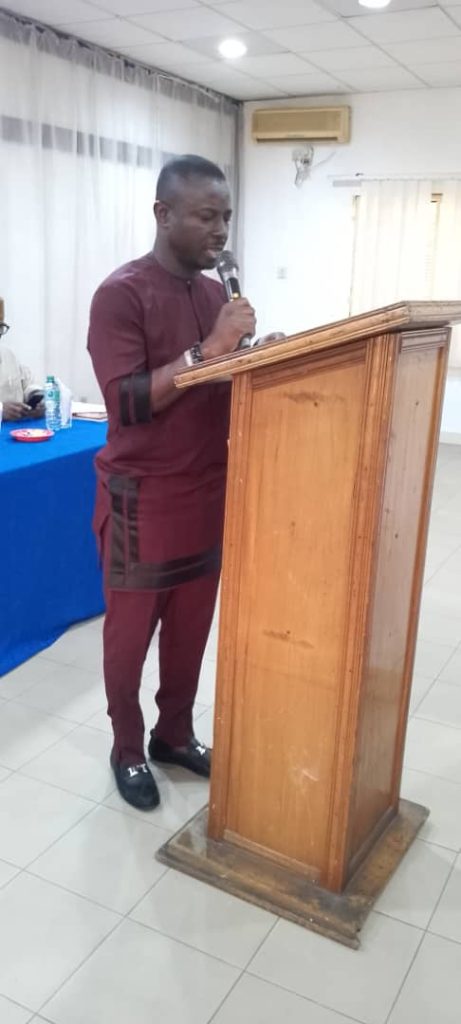
Speaking at the event, the South–South Regional Coordinator of NEPC, Mrs. Ngozi Ibe, described the workshop as a strategic gathering of producers, processors, entrepreneurs, regulators, development partners and other critical stakeholders who recognize agriculture as one of the nation’s strongest economic pillars.
According to her, agriculture goes beyond food production to creating employment, supporting livelihoods, driving rural development and contributing significantly to national revenue. She, however, noted that poor handling practices, inadequate preservation methods, substandard storage facilities and limited knowledge of export requirements often result in high post-harvest losses and rejection of products in international markets.
She stressed that the efforts invested in planting and harvesting are frequently undermined during post-harvest handling, thereby limiting the country’s export potential.
You Might AlsoLike




Mrs. Ibe emphasized that for Nigeria to compete effectively in global markets, stakeholders must understand and implement proper preservation techniques to extend shelf life and maintain nutritional value; adopt appropriate storage systems to prevent spoilage, pest infestation and contamination; and apply good handling practices to maintain product integrity from farm to market.
She further underscored the importance of value addition through processing to enhance product appeal and profitability, as well as strict compliance with international standards to build credibility and access premium markets.
In his goodwill message, the Rivers State Coordinator of RMRDC, Mr. Minzor–Ezekiel Kurotimipa, highlighted Nigeria’s vast arable land and abundant natural resources, emphasizing the critical role agriculture plays in ensuring food security and national development.
He reiterated the Council’s mandate, noting that as Nigeria advances toward industrialization, government remains committed to harnessing emerging opportunities in the raw materials sector to drive sustainable economic diversification.
Mr. Kurotimipa further explained that RMRDC engages the Federal Government in the formulation of policies relating to raw materials acquisition, exploitation and development. He informed participants that the Nigerian Senate recently passed the RMRDC Act Amendment Bill, 2022, which mandates that no raw material shall be exported from Nigeria without at least 30 percent value addition.
He described the amendment as a significant milestone in Nigeria’s industrial and economic transformation agenda, adding that the policy is expected to safeguard local jobs, strengthen local processing and manufacturing industries, and reduce dependence on imported raw materials.

The capacity building programme provided participants with practical insights and reinforced the urgent need for improved post-harvest management systems as Nigeria seeks to expand its footprint in the global agro-export market.