By Olufadi Halima
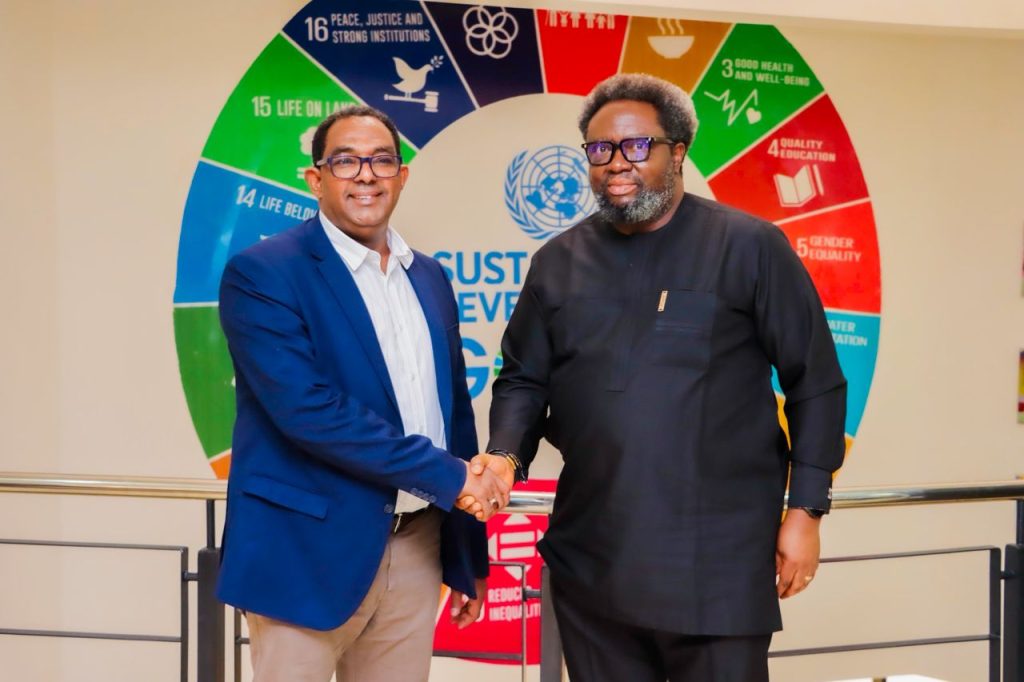
The Raw Materials Research and Development Council (RMRDC) has taken a significant step toward deepening international collaboration on raw materials industrialization with a high-level visit to the Food and Agriculture Organization (FAO) of the United Nations in Abuja.

The courtesy visit, held on Monday, 9 February 2026, at the FAO country office in the UN House, was a follow-up to an earlier invitation extended by RMRDC to the FAO to partner and participate in the 2026 edition of the Africa Raw Materials Summit (ARMS). The summit is scheduled to take place from 26 to 28 May 2026 at the Abuja Continental Hotel.
Leading the RMRDC delegation, Director-General and CEO, Professor Nnanyelugo M. Ike-Muonso, emphasized that the 2026 edition of the summit, themed “From African Feedstock to African Factories,” aims to build on the impressive success of the previous year. He described the FAO as a central figure in achieving the summit’s objectives, noting the critical role the UN agency plays in critiquing and shaping reforms, agendas, and national policies.
“The key idea behind the Council is import substitution and value addition,” Prof. Ike-Muonso stated. “Our interest is to ensure what comes out of the soil is prepared for the use of industries. Nigeria is rich in vast raw materials, and we must ensure we have enough for industrial use so we do not depend on importation.”
You Might AlsoLike



The Director-General highlighted that the summit will spotlight individuals and organizations that have exemplified the vision of transitioning raw materials directly from African soil to African factories, noting that a major portion of these industrial inputs are agricultural.
Chairperson of the Africa Raw Materials Summit, Rachael K. Kotso emphasized the natural synergy between the RMRDC’s mandate and FAO’s mission. She said, “While FAO’s goal is to achieve food security, part of RMRDC’s mandate is the sustainable utilization of raw materials for industrial development. When raw materials are managed sustainably and processed responsibly, they not only drive industrial growth but also help guarantee food security, which is at the core of FAO’s work.”
Kotso disclosed that the 2026 edition of ARMS will feature notable speakers from across the continent, representatives of member states, regional and international institutions, as well as exhibitions by leading companies and agencies that have excelled in raw materials development, processing and value addition.

She further noted that FAO’s global influence and technical networks could help attract additional strategic partners and major stakeholders to the summit.
Also contributing to the dialogue, the Director, Agro Allied Department noted that FAO’s expertise in climate-smart agriculture, post-harvest management, agro-production and processing systems, among other core areas, aligns strongly with the summit’s theme and would enrich the technical depth of the conversations. Dr. Eberiekwe said. “ARMS 2026 will explore a variety of significant topics, and FAO has multiple thematic strengths it can bring to the table for the benefit of African stakeholders.”
Welcoming the delegation, the FAO Country Representative, Dr. Hussein Gadain, described the UN House as “the house of the Nigerian people.” He reaffirmed the FAO’s status as a specialized agency of the United Nations that leads international efforts to defeat hunger, while also providing technical support and strategic guidance to governments to help design and implement policies that eradicate hunger and promote sustainable food systems.
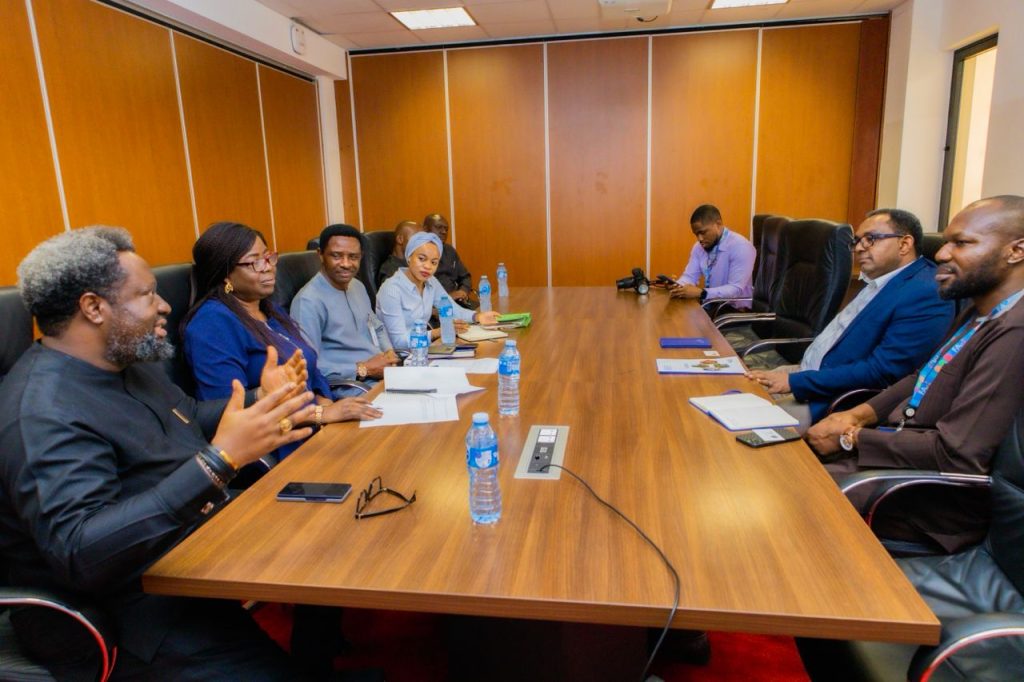
Dr. Gadain noted that since the Federal Ministry of Agriculture and Food Security (FMAFS) is a key stakeholder in the Africa Raw Materials Summit, FAO is naturally inclined to support the initiative. “FMAFS is our line ministry and a core partner,” he said. “Given their involvement in the summit, we at FAO are also ready to support and be part of this important event.”
In a major boost to the event’s profile, Dr. Gadain accepted the Director-General’s invitation to speak at the summit. He further announced the immediate establishment of a small internal committee within the FAO to work directly with the RMRDC’s Local Organizing Committee (LOC) to finalize topics for discussion and coordinate their contributions.
The Africa Raw Materials Summit 2026 aims to bring together industry leaders, experts, policymakers, and entrepreneurs to discuss strategies for optimizing Africa’s raw material value chains for economic growth and industrialization.
With FAO’s commitment to participate and partner with RMRDC, the 2026 edition of the Africa Raw Materials Summit is set to reinforce the nexus between food security, sustainable raw materials utilization and Africa-led industrialization, firmly anchoring the vision of moving “From African Feedstock to African Factories.”