By Abdullahi Bala
As part of its ongoing drive to foster industrial partnerships and enhance value addition in the agricultural sector, the Zamfara State Office of the Raw Materials Research and Development Council (RMRDC) undertook a working visit to Samil Rice Mill in Jauri Village, Zamfara State. The engagement was aimed at strengthening collaboration with local agro-processors and identifying key challenges affecting rice production and processing in the region.

The delegation was led by Principal Executive Officer, Mr. Muhammed A. Danbala, who represented the State Coordinator. He reiterated RMRDC’s commitment to supporting grassroots industrial development and empowering local businesses through meaningful engagement and tailored support. The visit emphasizes the Council’s commitment to empowering local businesses and optimizing Zamfara’s agro-processing potential.
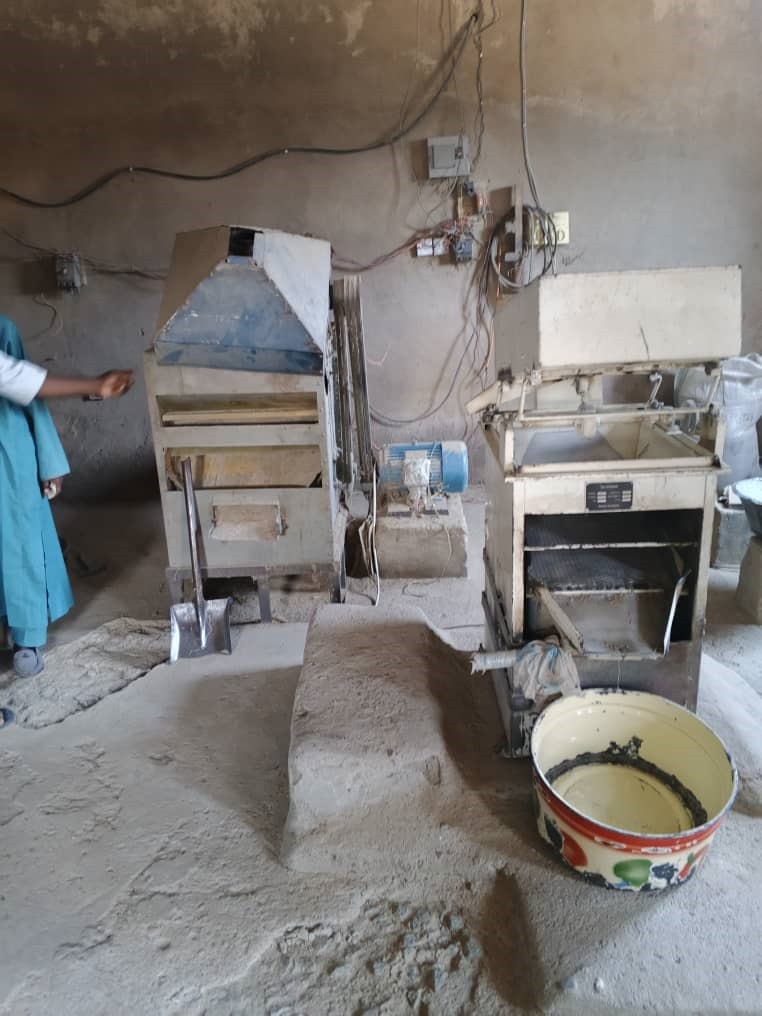
The team was warmly received by the Mill’s manager, Alhaji Jibo Kaza, who provided a comprehensive walkthrough of the rice processing operations. He explained that the milling process begins with boiling shelled rice, followed by open-air drying, destoning, and deshelling, before final packaging is carried out. The Mill charges ₦4,000 per bag for processing, with each bag containing approximately 40 tiyas. Under favorable weather conditions, the facility processes 23 to 30 bags per day. However, this figure drops to 10 bags during the rainy season due to the facility’s dependence on sunlight for drying.
Alhaji Kaza highlighted several pressing challenges affecting the Mill’s operations such as difficulty in sourcing raw rice locally, often necessitating procurement from distant countries such as Niger Republic and Togo. This has introduced complex logistical hurdles and the burden of excessive taxation during cross-border transactions. He also cited erratic electricity supply, the rising cost of firewood, and poor access roads as major impediments to the mill’s productivity.
You Might AlsoLike




Despite these constraints, Samil Rice Mill remains operational with a staff strength of six. However, Kaza noted that at least eleven personnel are required to ensure optimal performance and meet increasing demand.
In response, Mr. Muhammed acknowledged the challenges and assured the company of the Council’s readiness to explore possible areas of collaboration, restating its mandate to strengthen raw materials development and industrial productivity through targeted collaboration and research-backed interventions.
By aligning its initiatives with real-time industry needs, the Council continues to advance its goal of sustainable, inclusive industrial development across Zamfara and beyond.