
By Emmanuel Otoikhila
In a strategic effort to advance agricultural development and promote industrialization through local raw materials, the Raw Materials Research and Development Council (RMRDC), in collaboration with the Connection of Stakeholders in Agricultural Mechanization (CONESAM) and the Projects Development Institute (PRODA), jointly organized a capacity-building workshop on “Digital Mechanization Support for Agriculture.”

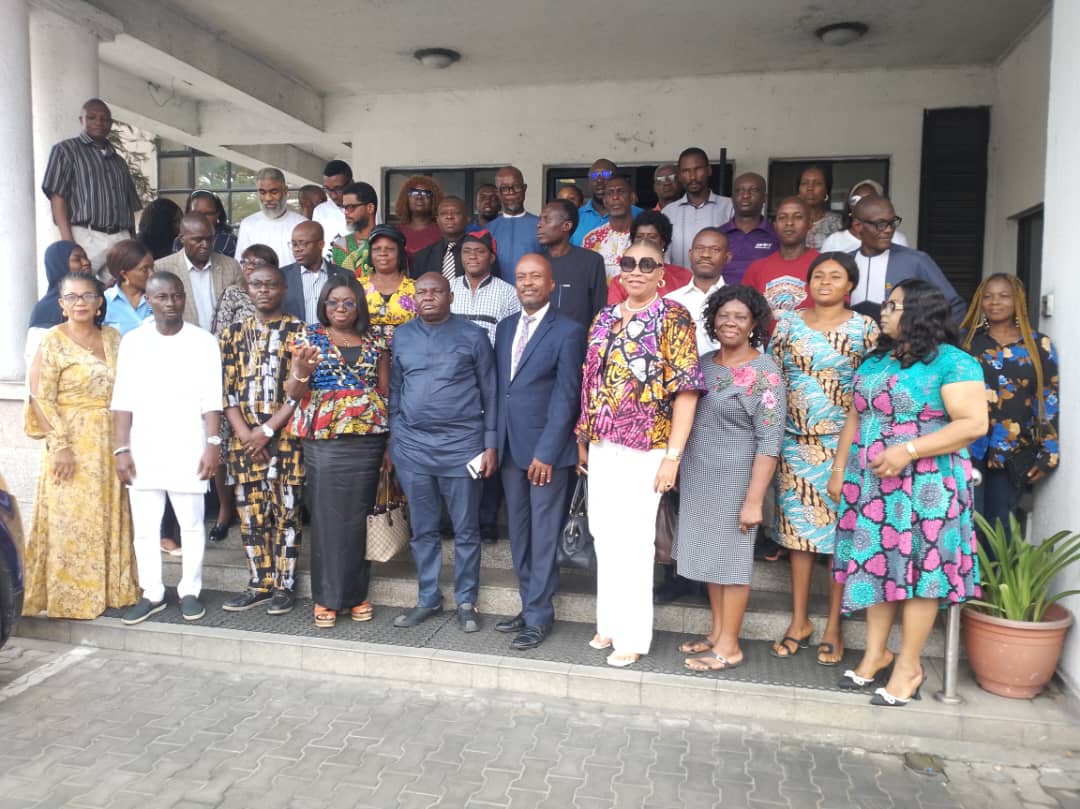
The event, held at the Technology Incubation Centre on Sapele Road, Benin City, brought together stakeholders across the agricultural value chain to deliberate on innovative solutions for mechanization, research commercialization, and enhanced productivity. The workshop aimed to facilitate the development and deployment of science and technology tools that will strengthen Nigeria’s socio-economic growth through improved agricultural practices.
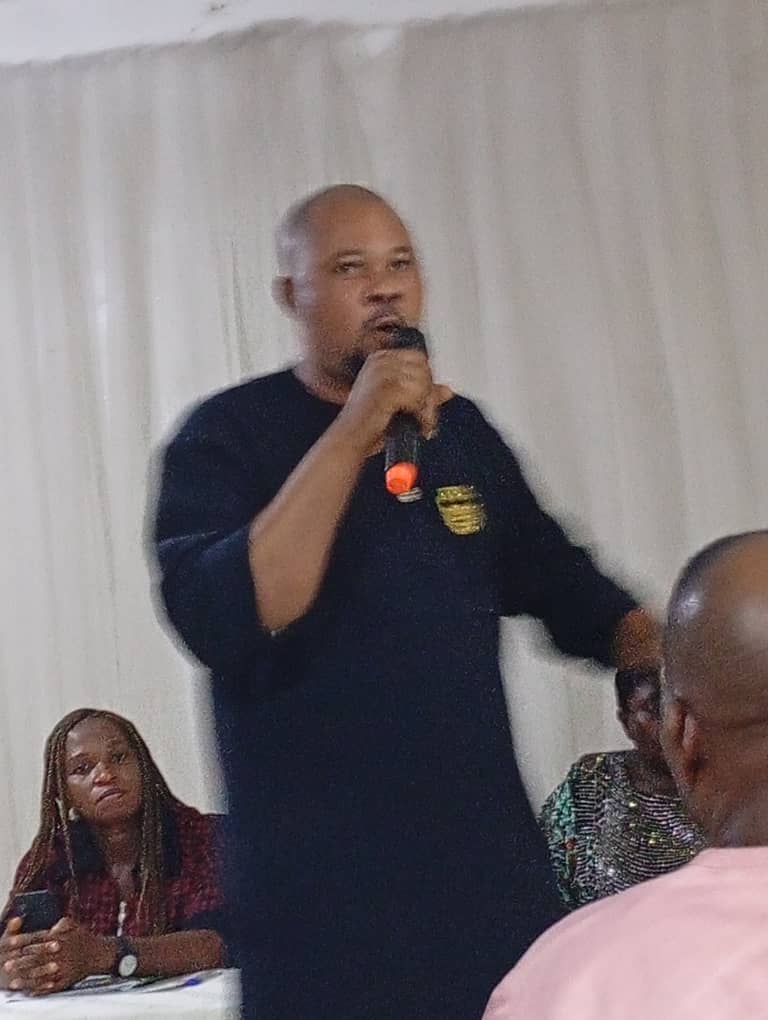
In their opening remarks, Mr. Stephen Eragbai, Project Manager at CONESAM, and Mr. Otoikhila Emmanuel, Edo State Coordinator of RMRDC, expressed appreciation to participants for their presence and active engagement. They emphasized the importance of digital mechanization in achieving sustainable agricultural transformation.
The Executive Governor of Edo State, Senator Monday Okpebholo, was represented at the event by Mrs. Azeke Antonia. Also in attendance were key representatives from the Ministry of Business, Trade and Cooperatives, MDAs, the Nigerian Association of Small Scale Industrialists (NASSI), the Association of Fabricators, Association of Processors, Association of Farmers, and various other stakeholders from within and outside Edo State.
You Might AlsoLike



The workshop featured technical sessions designed to foster the exchange of cutting-edge technologies and practical strategies for agricultural mechanization, with a focus on enhancing value addition and productivity. Discussions also centered on strengthening collaboration between research institutions, local industries, fabricators, and farmers to encourage knowledge exchange and facilitate the commercialization of local innovations.
Participants shared challenges impeding their operations. Processors cited difficulties in sourcing raw materials, packaging constraints, and limited access to finance. Fabricators raised concerns about inadequate access to materials such as iron and the rising cost of importing steel. Farmers highlighted the lack of efficient, locally produced machinery and the limited availability of indigenous fabricators.
One of the key highlights of the workshop was the identification and mapping of existing industries with mechanization needs. Participants were grouped according to their specializations—fabrication, processing, and farming—to facilitate peer discussions and explore locally driven solutions to shared challenges.

Delivering a goodwill message, Mr. Otoikhila Emmanuel reaffirmed RMRDC’s commitment to promoting industrial development through the effective utilization of Nigeria’s raw materials. He called for increased collaboration among fabricators, processors, and farmers, encouraging them to leverage the Council’s support in overcoming mechanization and value addition bottlenecks.
He further commended CONESAM and PRODA for their partnership in organizing the workshop, noting that the initiative directly supports the Council’s mandate to foster innovation, capacity building, and industrial linkages for national development.
The workshop concluded with a collective pledge by all stakeholders to support initiatives aimed at boosting raw materials development, technology deployment, and sustainable agricultural practices in Nigeria.