By Yahuza Muhammed
In a bold move to revitalize Kano’s indigenous technology in food processing, the Raw Materials Research and Development Council (RMRDC), through its Kano State Coordinating Office, in collaboration with the Kano State Government, has launched a strategic initiative to modernize the production of Gurasa, a traditional local bread widely consumed in northern Nigeria. The initiative was conceived and is being championed by Engr. Almustapha Kamilu, Kano State Coordinator of RMRDC.

It aims to transform Gurasa production from a largely informal practice into a hygienic, commercially viable, and economically empowering enterprise. This aligns with RMRDC’s mandate to promote value addition to local raw materials and catalyse grassroots industrial development.
Recognizing the innovation, the Kano State Ministry of Investment, Commerce, Industry, and Cooperatives adopted the idea and established a 13-member strategic committee under the triple helix model uniting government, stakeholders from Public and Private Sector. The committee, chaired by Engr. Almustapha Kamilu, includes representatives from the Ministry of Local Government and Chieftaincy Affairs, women entrepreneurs, technical experts, and the Gurasa Producers Association.
The initiative seeks to preserve the traditional identity of Gurasa while introducing improved processing methods to enhance hygiene, shelf life, and market competitiveness. As a vital source of livelihood for women and youth, modernizing Gurasa production also presents an opportunity for broader socioeconomic impact. Stakeholders emphasized maintaining the unique taste of Gurasa while adopting innovations in packaging, production efficiency, and safety standards.
You Might AlsoLike



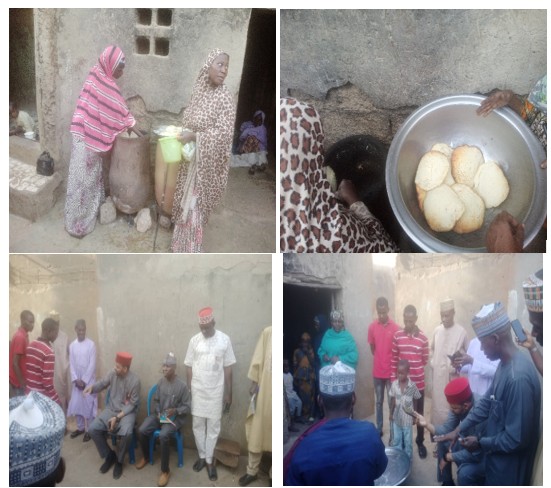
As part of the implementation process, the committee visited several Gurasa production clusters, particularly the renowned Jakara’s Gidan Ta-Lagos cluster in the heart of Kano metropolis and the pottery hub of Dawakin-Tofa. The visits offered firsthand insight into the working conditions, equipment, challenges, and local knowledge systems of traditional Gurasa makers. The team also engaged producers in discussions about current limitations and opportunities for improvement. Observations revealed issues such as unhygienic, energy-inefficient production methods, health risks from excessive heat exposure, low profitability, and the absence of cooperatives or structured business models. The traditional pottery industry which was crucial to Gurasa baking was found to be declining due to youth disengagement, lack of innovation, and resource depletion.
The committee proposed practical solutions, including developing two improved prototypes: a cabinet oven and a modified clay baking pot that integrate modern energy efficiency with local materials. All aimed at retaining the indigenous nature and aroma of Gurasa by the traditional baking-pot, a unique feature crucial to preserving the distinctive identity of Kano Gurasa. Establishing Common Facility Centres (CFCs) across LGAs was also recommended. These CFCs would be equipped with automated mixing and baking machines, sanitation units, water sources, packaging equipment, and cooperative offices.
Additionally, the creation of formal producer cooperatives and a Gurasa Management Board was advised to oversee standardization, capacity building, and marketing. Emphasis was placed on empowering women and youth through sensitization and skills training, and on revitalizing the Dawakin-Tofa pottery cluster through sustainable clay resource management.

Engr. Almustapha Kamilu reaffirmed RMRDC’s commitment to innovation and inclusive growth, pledging the deployment of nodal officers across all 44 LGAs to support implementation. The committee called on the government to integrate these officers into grassroots industrial programs and replicate the Gurasa modernization model across the state for lasting economic impact.