
By Festus Obot and Adaora Adibe
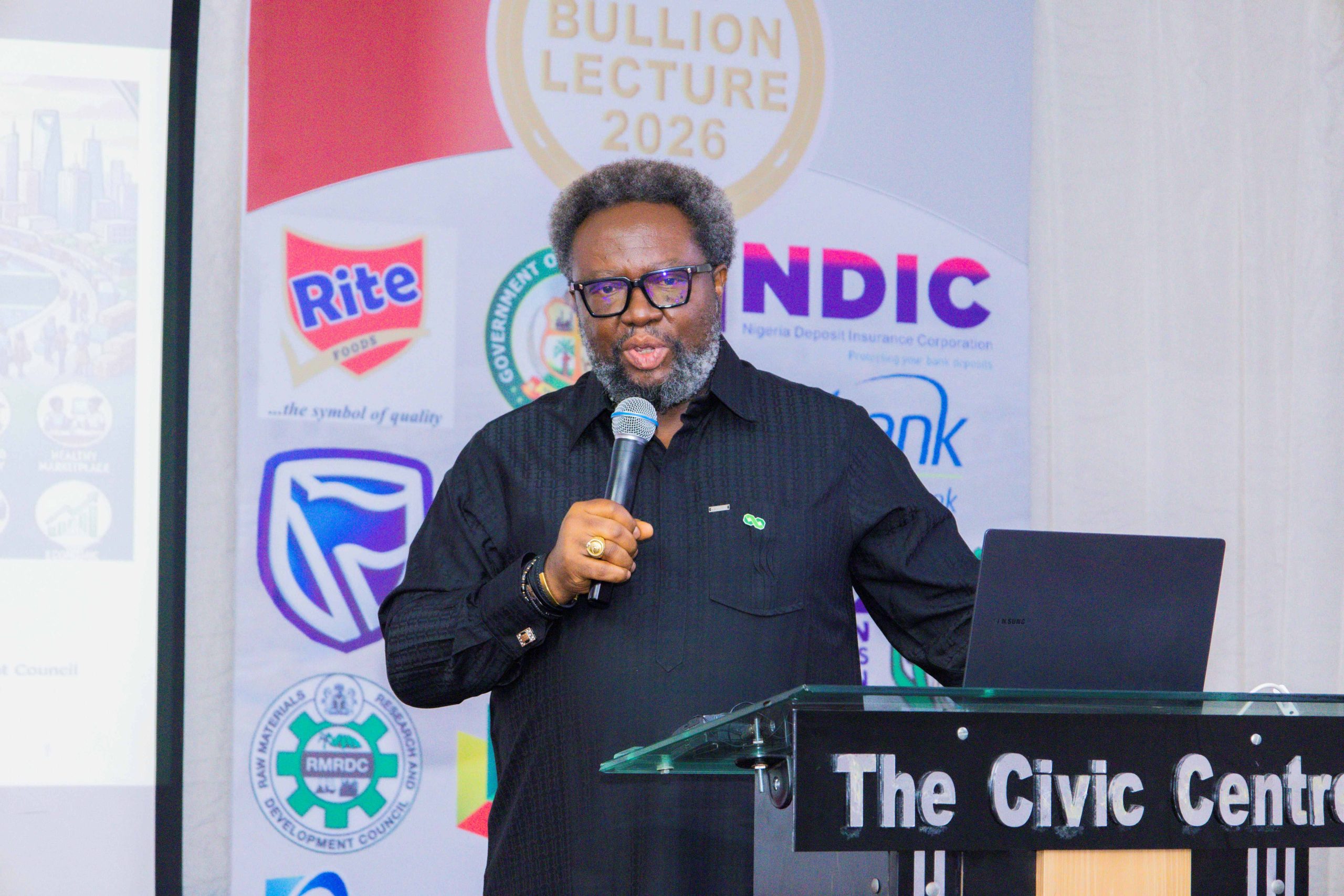
The Director-General of the Raw Materials Research and Development Council (RMRDC), Professor Nnanyelugo Ike-Muonso, has reiterated the urgent need to reshape Africa’s economic trajectory by prioritising value addition to its abundant natural resources before export.

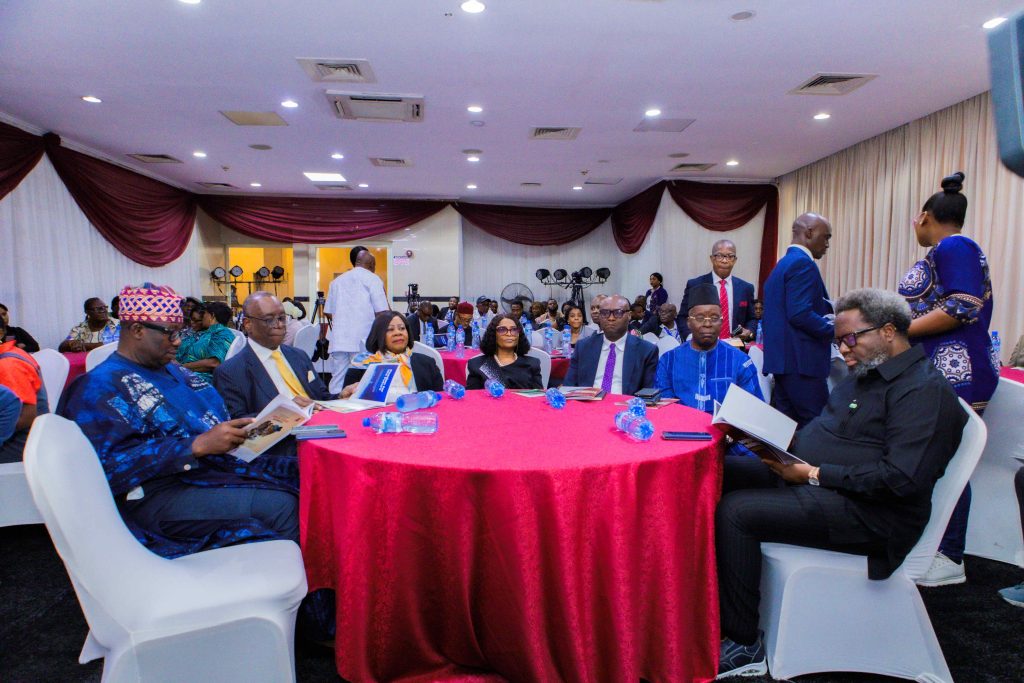
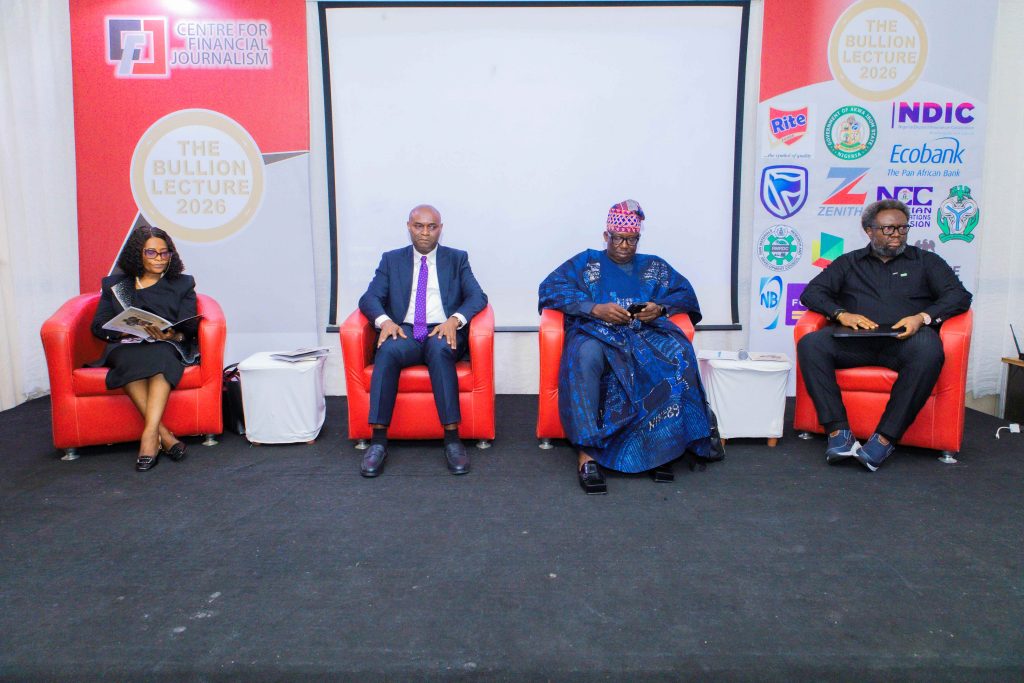
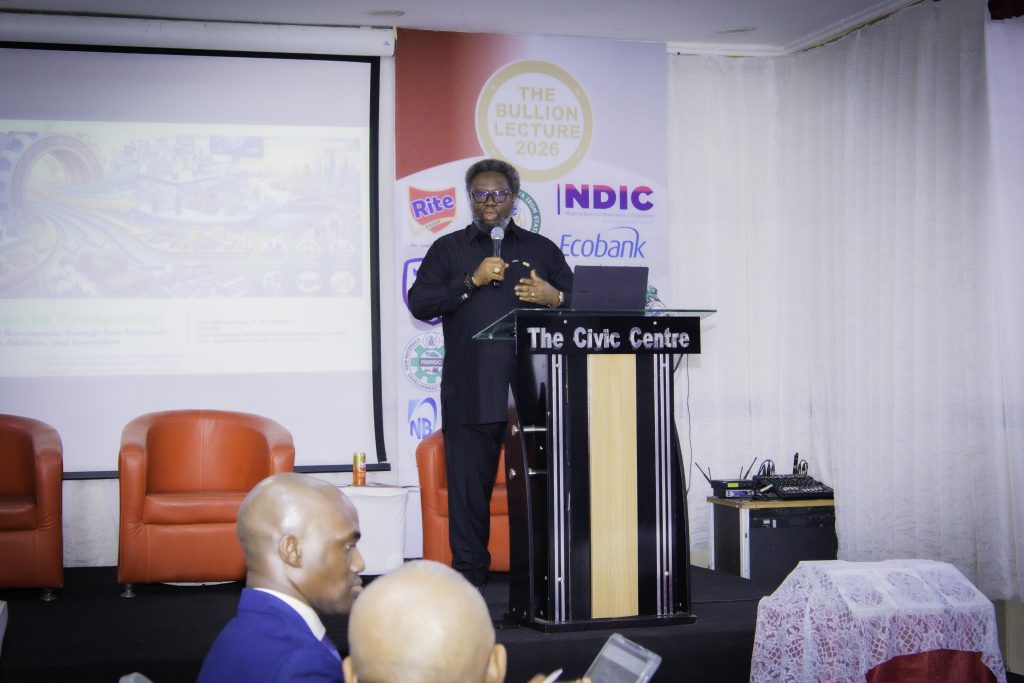
He stated this while delivering a lecture at the 10th Bullion Lecture 2026 organised by the Centre for Financial Journalism, held on Thursday, April 23, at the Civic Centre, Victoria Island, Lagos. The lecture was themed “From Resources to Prosperity: Catalysing Nigeria’s Industrial Renaissance through Raw Materials Development, Value Addition and Innovation.”
In his presentation, Prof. Ike-Muonso stressed that sustainable economic growth in Nigeria and across Africa depends on deliberate industrialisation anchored on the efficient utilisation and processing of local raw materials.
“Africa must save her own,” he said, underscoring the need for the continent to move beyond primary commodity exports. “The pathway to prosperity is to industrialise by building strong value chains, moving from extraction to processing, manufacturing and ultimately exporting finished goods.”
You Might AlsoLike


He disclosed that, as part of efforts to reposition the Nigeria’s economy, RMRDC is championing a 30% value addition Bill aimed at ensuring that a significant portion of Nigeria’s raw materials are processed locally. According to him, the policy would “lock in” resources within the domestic economy, create jobs, increase income levels and improve exchange rate stability.
“If we remain where we are today, we cannot attain the status of developed economies,” he said. “No matter the monetary policy, the way forward is to develop the value chain and export what we manufacture.”
The DG explained that each stage of the value chain multiplies economic value, noting that Nigeria is currently far from the expected utilisation level of at least 80% of its raw materials for industrial development.

He identified major constraints and barriers hindering progress to include Energy deficit, logistic gaps, low enrolment in science, technology, engineering and mathematics (STEM), skills gaps in engineering and automation, limited investment in research and development, and weak quality infrastructure.
Ike-Muonso emphasised the importance of strong legal frameworks and enforcement, describing them as critical to achieving the country’s industrial aspirations. “Law is essential for national prosperity. It ensures compliance and drives implementation,” he said.
He further revealed that the Council recently unveiled the Nigeria Integrated Information Statistical System for Raw Materials and Products (NISSRAMP), a comprehensive database designed to improve access to reliable data and support evidence-based decision-making in the raw materials sector. This he said will match supply with industrial demand.
“No one changes the world alone; it requires collective effort,” he added. “We are working with relevant agencies and building robust data systems to drive this process. NISSRAMP is dynamic and integrated to support national development planning.”
Speaking further, he recommended strategic pathways to prosperity, emphasizing the need to prioritise “utilities-first” corridors such as the Lagos–Kano rail line and the AKK gas pipeline. He further stressed the importance of leveraging the African Continental Free Trade Area’s (AfCFTA) 1.3-billion-person market to position Nigeria’s value-added goods competitively. Additionally, he advocated for policies that reward capacity performance and research and development, rather than focusing solely on export volume.
Earlier in his welcome remarks, Chairman of the Board of Trustees of the Centre for Financial Journalism, Prof. Akpan Ekpo, described the Bullion Lecture series as a critical platform for advancing informed economic discourse and policy direction in Nigeria. He noted that the annual lecture has, over the years, addressed key national issues, including the blue economy and energy development.
“The Bullion Lecture has evolved into a formidable platform where experts provide guidance for economic recovery and sustainable growth,” he said.
Also speaking, Chairman of the Alliance for Economic Research and Ethics and former President of the Nigerian Association of Chambers of Commerce, Industry, Mines and Agriculture (NACCIMA), Otunba Kelvin Dele Oye, commended the value addition agenda and called for stronger collaboration between RMRDC and the Central Bank of Nigeria (CBN) to accelerate raw materials development.
Highlights of the event included panel discussions focused on practical pathways for maximising Nigeria’s resource potential, the launch of a book by the Chief Executive Officer of the Centre for Financial Journalism, Dr. Ray Echebiri, and the presentation of awards to distinguished personalities, including the DG RMRDC, Prof. Nnanyeugo Ike-Muonso.
Participants applauded the DG’s contribution at the lecture emphasised the need for improved ease of doing business and greater stakeholder responsibility in driving industrialisation. They also urged Nigerians, including the media, to support the value addition bill to ensure its speedy passage and implementation.