By Moyofoluwa Ogunyemi & Mojeed Adeyemi
The Minister of State for Industry, Trade and Investment, Senator John Enoh, has called for urgent action to revive the country’s sugar industry, warning that the widening gap between domestic production and demand poses serious risks to food security, industrial growth, and job creation.

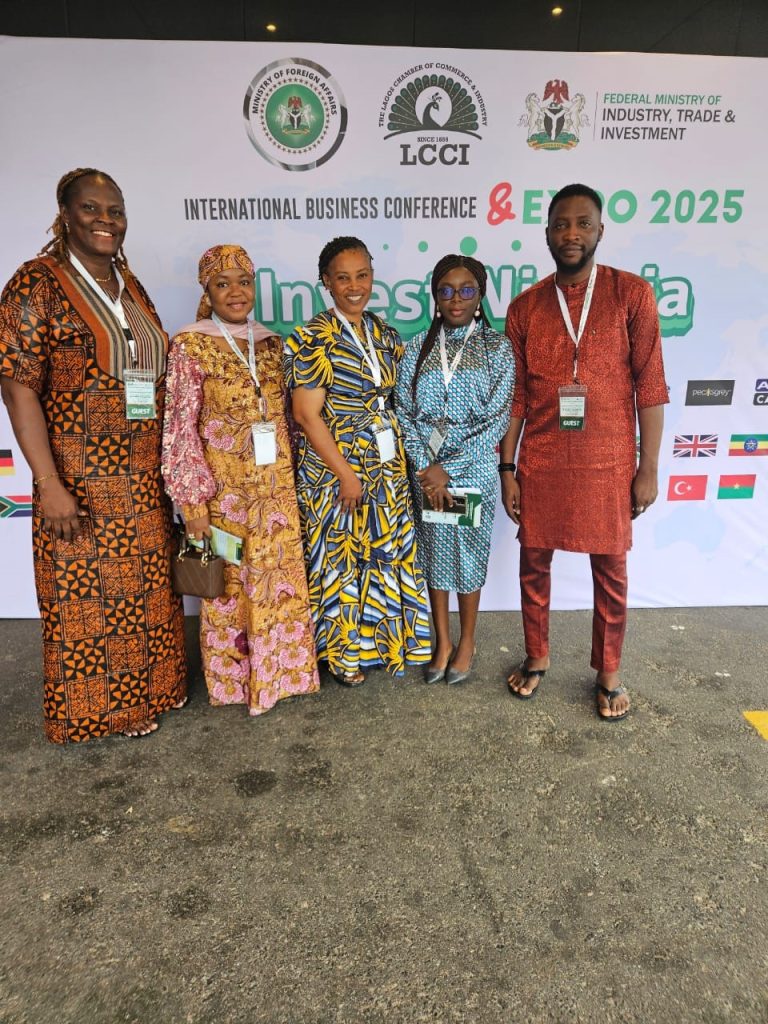
This call was made during the 3rd edition of the International Business Conference and Expo 2025, themed “Invest Nigeria”, organized by the Lagos Chamber of Commerce and Industry (LCCI) and attended by top government officials, investors, and industry leaders. The Raw Materials Research and Development Council (RMRDC) Lagos State Office also participated actively, with its team led by the State Coordinator, Mrs Uchechukwu Ojiakor and her team.
Speaking at the event, the Minister of State for Industry, Trade and Investment, Senator John Enoh, representing President Bola Tinubu, pointed to the widening gap in Nigeria’s sugar production and domestic demand. He highlighted the sector’s untapped potential and its importance to the country’s industrial growth agenda. Senator Enoh revealed that despite the National Sugar Master Plan launched more than a decade ago with a target of producing two million metric tons, Nigeria currently produces only about 100,000 metric tons. He described this as “a significant supply deficit,” stressing that the reliance on imports undermines food security, raises production costs for industries, and limits job creation in rural communities.
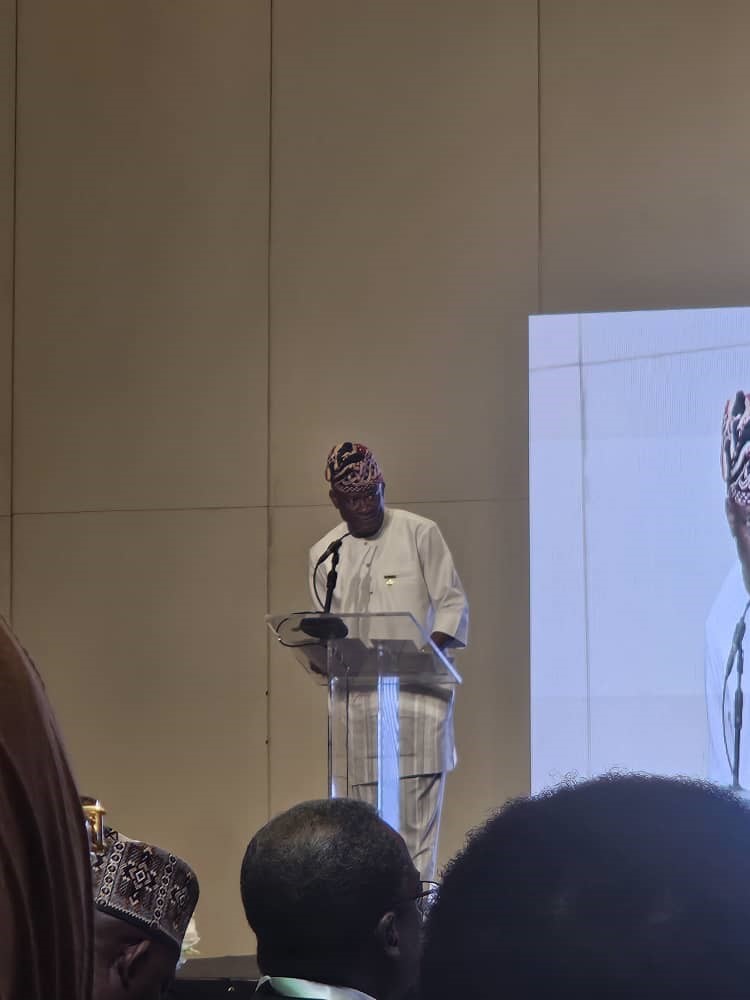
“The sugar industry is a critical component of Nigeria’s industrialization drive. We have the land, the favourable climate, and the human capital to achieve self-sufficiency, yet we continue to rely heavily on imports,” the Minister said. He emphasized that bridging this gap would reduce foreign exchange pressure, stimulate agribusiness, and accelerate industrial growth. He urged both local and international investors to seize the opportunity to develop Nigeria’s sugar value chain, from cultivation to processing, to meet domestic needs and unlock export potential.
You Might AlsoLike


The Minister also addressed concerns about Nigeria’s inability to attract large-scale automobile manufacturing plants, noting that government, through the Nigeria Automotive Industry Development Plan, was working with stakeholders to create a more enabling environment for investors.
Beyond sector-specific issues, Senator Enoh outlined President Tinubu’s administration’s broader economic reform agenda aimed at transforming Nigeria’s business environment. He disclosed that more than 80 reforms had been implemented in the past year to eliminate bottlenecks, reduce the cost of doing business, and enhance transparency. Key among these, he said, was the introduction of a new tax framework designed to provide clarity, fairness, and predictability for investors, while reducing compliance burdens on small and medium enterprises.
“President Tinubu is committed to making Nigeria not just a destination for investment, but a secure and competitive hub where investors can thrive,” Senator Enoh stated. He reassured participants that the government would continue to prioritize patronage of local enterprises, guarantee investment protection, and expand infrastructure to support industrialization.

Highlighting progress on infrastructure, he cited ongoing road and bridge construction, airport modernization, and energy sector reforms as part of government’s determination to build the physical foundation for industrial growth. He further stressed the role of technology and digital innovation in driving Nigeria’s competitiveness, noting that the country’s tech ecosystem had already positioned it as a continental leader.
Also speaking at the event, the Minister of Regional Development, Engr. Abubakar Momoh, highlighted reforms, incentives, and free trade zones as key to attracting investors, while assuring that Nigeria’s growth is widely recognized. Echoing this view, the representative of the International Monetary Fund (IMF), Dr. Christian Ebeke, stressed that Nigeria’s reforms, though incomplete, are already yielding results and easing business operations. He noted that appreciating progress within a counterfactual framework shows the country is on a stronger path than it would have been without reforms.