By Nafisat Abdulrahman
The Federal Government has intensified efforts to translate research outputs into commercially viable products as innovators, researchers, and industry stakeholders converged in Kano for the Energised Commercialisation Now (ECoN) programme. An initiative of the First Lady of Nigeria, Senator Oluremi Tinubu, was launched through the Ministry of Innovation, Science and Technology.

The concluding day featured innovation pitch sessions, stakeholder engagements, and expert assessments aimed at linking research-based solutions with investors and strengthening Nigeria’s innovation-to-market pipeline.
A major highlight of the pitch session was a presentation by the Director, Research and Development Federal University Dutse, Professor Sali’u Ibrahim Ismail, who showcased ongoing collaboration with the Raw Materials Research and Development Council (RMRDC) on pharmaceutical and phytomedicine innovations focused on local production of active pharmaceutical ingredients.
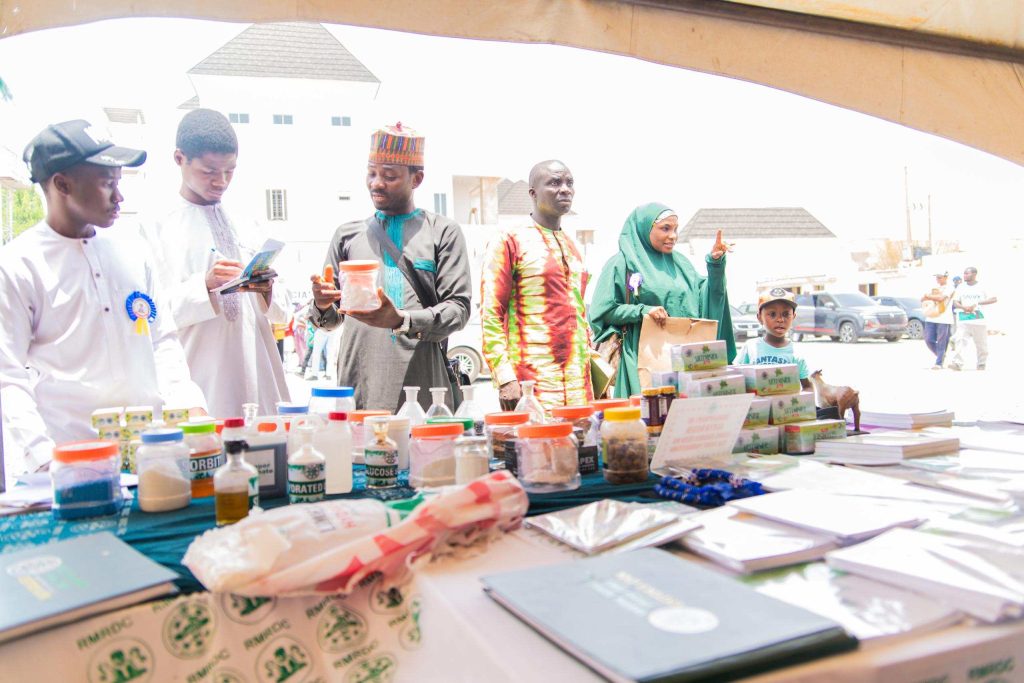
Professor Ismail disclosed that the research has progressed through multiple stages, with the first phase presented in Lagos in 2023, while the second phase has also been completed and is awaiting regulatory approvals.
You Might AlsoLike




He explained that the initiative is aimed at reducing Nigeria’s dependence on imported pharmaceuticals while creating new revenue streams through local production of active ingredients.
During his presentation, he highlighted several products developed through the collaboration, including GASCA-D, an anti-diabetic formulation, GASCA-N for blood pressure and stress management, a phytobiotic an antibiotic formulation, Phyto-herb (5vits), a vitamin-based supplement, and an analgesic pain-relief product derived from plant-based active pharmaceutical ingredients.
Speaking with the Deputy Director, Research and Demonstration Plants Complex (RDPC) of RMRDC, Engineer Sirajo Musa, it was confirmed that the Council is collaborating with Professor Ismail and Greenleaf Herbal on the development of these formulations.

He explained that the analgesic product has already been presented to the Pharmaceutical Manufacturing Group of the Manufacturers Association of Nigeria (PMG-MAN) in Lagos, while further evaluations are ongoing to determine its readiness for commercial production.
Engineer Musa noted that the partnership reflects RMRDC’s broader mandate of advancing research into industrial applications and reducing Nigeria’s reliance on imported pharmaceutical products through local innovation.
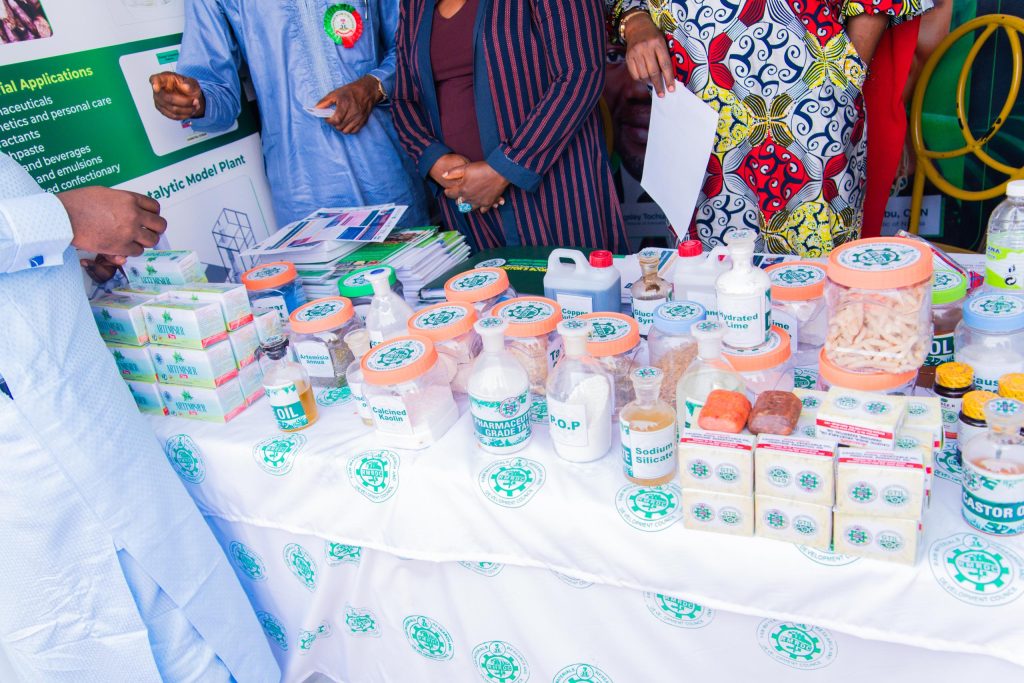
The pitch sessions were assessed by a panel of judges, including Director, RMRDC, Mrs. Edith Obi, alongside other experts who evaluated the innovations based on viability, scalability, and commercial potential.
The judges explained that the objective of the exercise was not to rank participants but to identify commercially viable innovations and facilitate direct linkage with investors and industry partners.
According to the panel, no first, second, or third positions were assigned, as each innovator would instead be matched with potential investors for further development and scale-up.
Also speaking at the event, Permanent Secretary, Federal Ministry of Innovation, Science and Technology, Dr. Yawale Mohammed, emphasised the need for stronger collaboration between research institutions, industry, and state governments to accelerate innovation commercialisation.
He noted that while the Federal Government would continue to provide the enabling framework, subnational governments also have a critical role in creating supportive environments for innovators and strengthening investor linkages.
The Permanent Secretary added that innovations showcased at ECoN would progress through structured pathways towards commercialisation, supported by mentorship, intellectual property awareness, and coordinated institutional backing.
In his closing remarks, Minister of Innovation, Science and Technology, Dr. Kingsley Tochukwu Udeh (SAN), described the programme as the beginning of a sustained national innovation movement aimed at converting research outputs into wealth-creating enterprises.
He said the initiative is designed to ensure that innovations are not only showcased but also transformed into commercially viable products capable of generating revenue for researchers, innovators, and the nation.
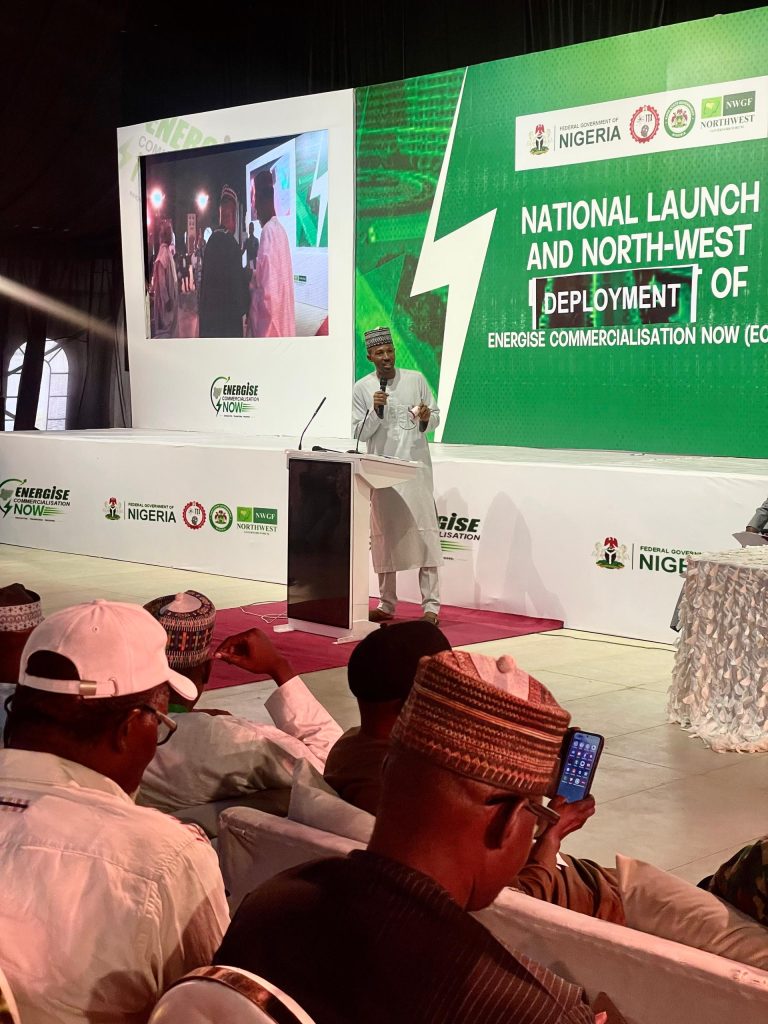
“This is not an end, but the beginning,” he said, noting that the framework established under ECoN will continue beyond the current phase and serve as a model for national rollout.
The Minister added that the lessons from Kano would guide future implementation across the country, positioning ECoN as a core part of Nigeria’s science, technology, and innovation ecosystem.
The ECoN initiative, introduced by the Federal Government through the Ministry of Innovation, Science and Technology, is aimed at bridging the gap between research and market by providing a structured pathway for commercialisation of innovations.