By Adaora Adibe
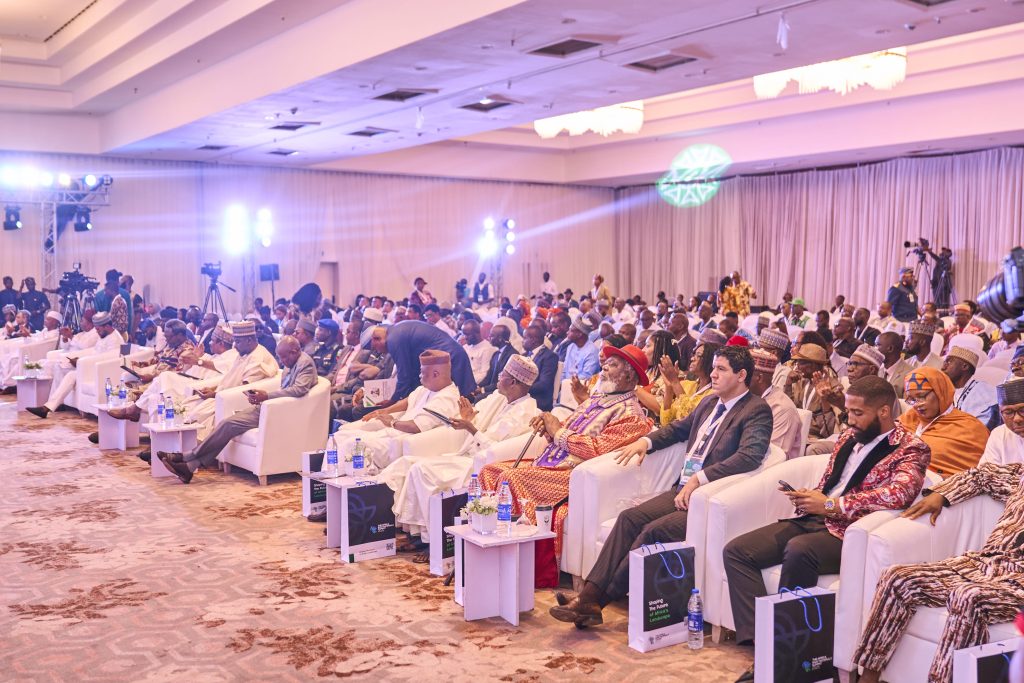
The inaugural Africa Raw Materials Summit 2025, hosted by the Raw Materials Research and Development Council (RMRDC), convened a diverse range of stakeholders from across Africa and beyond at the Continental Hotel, Abuja. The summit, held under the leadership of Prof. Nnanyelugo Ike-Muonso, marked a significant step towards shaping the continent’s economic future through industrial transformation.

The three-day event featured a series of high-level engagements, including keynote speeches, technical paper presentations, and panel discussions, all focused on leveraging Africa’s vast raw materials for sustainable industrial development.
The first panel session, titled “Africa’s Industrialization Under AfCFTA – Harnessing Africa’s Raw Materials Wealth for Global Competitiveness”, understored moving Africa away from a factor-based economy to investment, so that it can become a knowledge-based economy, was moderated by the Special Adviser to the President of Nigeria on Industry, Trade, and Investment, Mr. John Uwajumogu.
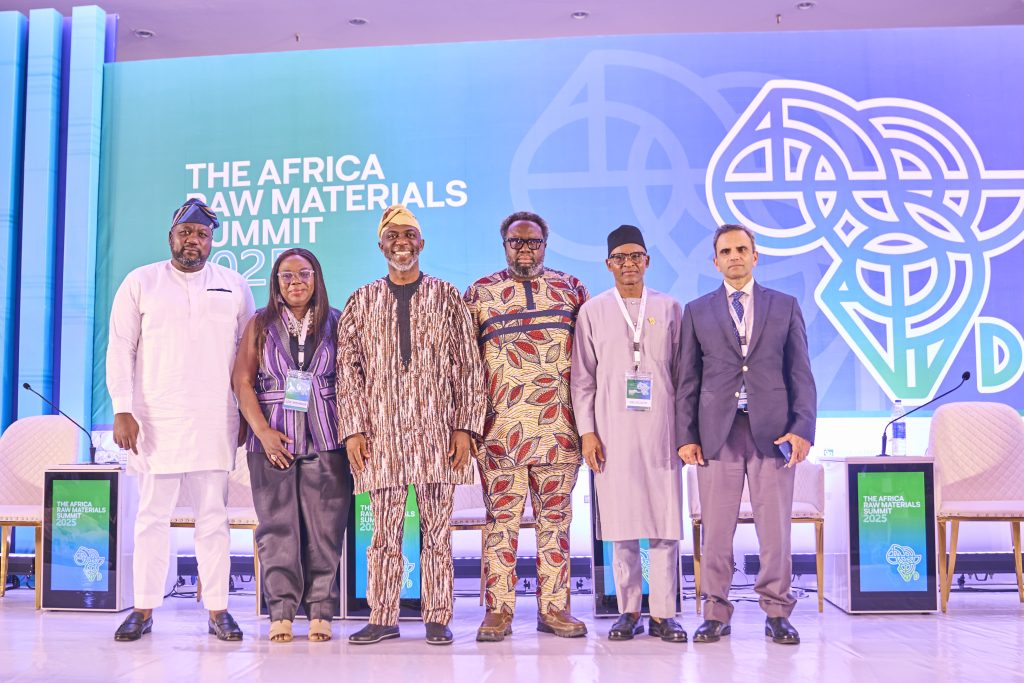
Mr. Uwajumogu emphasized the need for Africa to shift from a factor-based economy, reliant on raw material exports and cheap labour, to one driven by investment, innovation, and knowledge. “Africa can no longer afford to be a factor-based economy,” he stated. “For the past five decades, global trade has been influenced by shifting dynamics such as trade wars, energy transitions, and the rapid growth of artificial intelligence. These trends are transforming value creation and eroding traditional advantages for countries that fail to adapt.”
You Might AlsoLike




He warned that Africa’s over-reliance on primary commodities will soon be unsustainable. “We must develop the economic capacity to feed, educate, and create prosperity for what will be a population of 400 million in Nigeria and 1.4 billion across the continent within the next 20 years,” he said. Quoting the President of the African Development Bank, he added: “The export of raw materials is the door to poverty; the export of value-added products is the highway to wealth. Africa is tired of being poor.”
One of the featured panelists, in the cassava space, Founder and CEO of Psaltry International Ltd., Mrs. Oluyemisi Iranioye, highlighted Thailand’s cassava value chain as a model for Africa. “The Thai government supports farmers in improving yield quality and moderates the value chain to eliminate exploitation,” she noted. Mrs Oluyemisi urged African policymakers to develop strategies from the grassroots level to boost agricultural processing and competitiveness.
“If we have to break these barriers, we have to do more within ourselves. We have to prove to ourselves that we are better, good, and our prices are also good,” Mrs. Oluyemesi stated.

Also speaking on the panel, Mr. Olusegun Olutayo, Senior Trade Lead at Nigeria’s AfCFTA Coordination Office, underscored the urgency of intra-African trade. “Africa is no longer the next frontier—Africa is now,” he declared. He cited a model used by his office that identified five strategic raw materials in Nigeria with high potential for industrialization under the AfCFTA framework. He stressed that the success of AfCFTA hinges on robust private sector engagement and urged the sector to embrace AfCFTA to enjoy the benefits. He said the tariff under the AfCFTA opportunity is either reduced or a Zero tariff.
A panellist from the International Finance Corporation (IFC), Mr. Mohammed, discussed financing priorities, stating that projects with clear value-addition potential are given precedence. He explained that the IFC’s Local Champions Initiative supports high-potential African companies, helping them scale operations and contribute meaningfully to national economies.
The representative of the DG Manufacturers Association of Nigeria said small-scale businesses should be encouraged to survive in Africa by discouraging the massive importation of raw materials that are available in Africa. He further noted that the issue of patronage of African products should be strongly encouraged, and also harness our inherent raw materials to meet global standards. He highlighted 3 key areas to be addressed: Infrastructure, business environment, and majorly patronage of made in Nigeria/Africa goods.
Other panelists called for the formalization of Africa’s vast informal sector and the creation of strong market linkages to enhance the integration of micro, small, and medium enterprises into regional and global value chains.
Participants commended the RMRDC for launching a comprehensive raw materials database, describing it as a critical tool for investors and industrialists seeking reliable data on Nigeria’s natural resource assets.
The session concluded with a strong call to strategically enhance the production of raw materials within Africa to meet the growing demand from local industries. Key recommendations included the localization of factories near raw material sources and addressing critical infrastructure challenges, particularly electricity supply. The African Continental Free Trade Area (AfCFTA) was identified as a key enabler in sustaining the movement of raw materials and positioning African industries to dominate the continental market. Participants also emphasized the importance of coordinated efforts to leverage the AfCFTA Adjustment Fund, in collaboration with the Manufacturers Association of Nigeria and other business organizations, to unlock new opportunities and drive industrial growth.
There was a shared commitment to transitioning Africa’s economies from a reliance on raw materials to more diversified, innovation-driven growth pathways, laying the foundation for sustainable development and enhanced global competitiveness.