
By Adejare Ibrahim and Ajayi Olamide
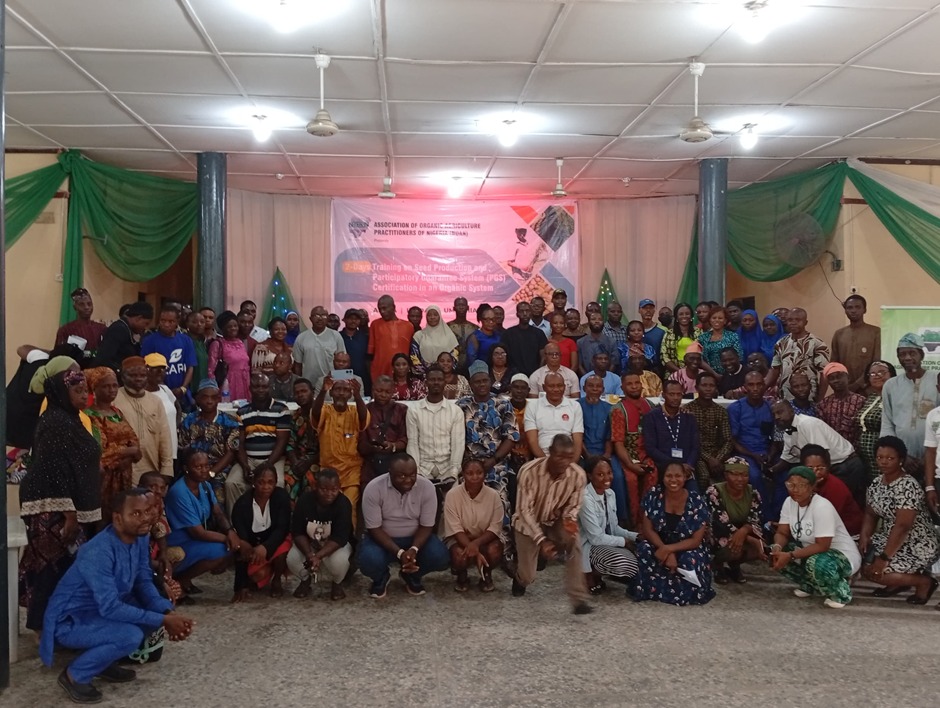
Stakeholders in Nigeria’s agricultural sector recently participated in a two-day training on organic seed production and Participatory Guarantee System (PGS) certification, aimed at strengthening organic farming practices and improving access to quality seeds which took place recently, at the Federal College of Animal Health and Production Technology, Institute of Agricultural Research and Training (IAR&T), Apata, Ibadan, Oyo State.

Among the numerous participants from across the sector was the Raw Materials Research and Development Council (RMRDC), represented by its Oyo State Coordinating Office under the State Industrial Extension Services Department (SIESD), South-West Coordinating Division. The RMRDC delegation was led by the Deputy Director and State Coordinator, Mr. O.A. Adeogun, and comprised the Principal Scientific Officer, Mrs. S.R. Agboola-Azeez, and the Administrative Officer I, Mr. O.A. Taiwo.
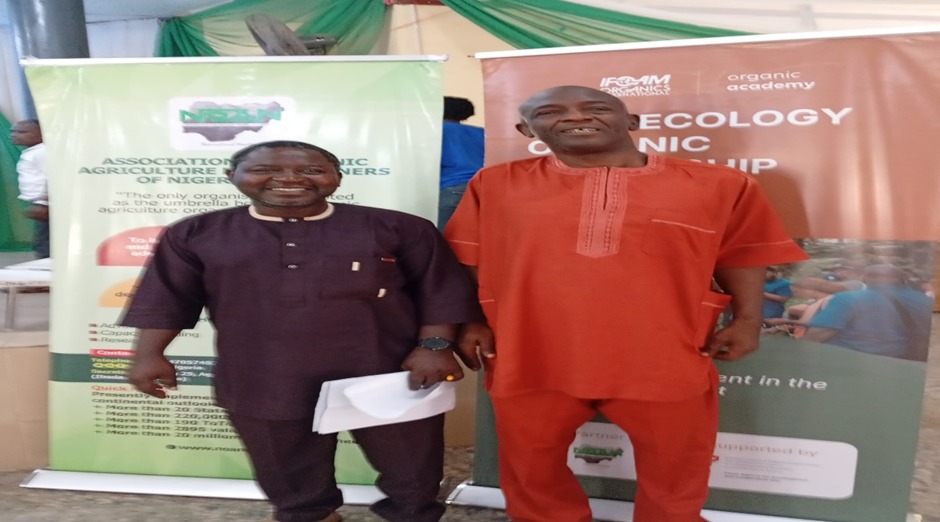
The training focused on enhancing the capacity of farmers and stakeholders in producing quality seeds under organic standards and promoting the adoption of the Participatory Guarantee System (PGS) as a community-based certification mechanism. Key topics included the establishment of local seed multiplication centres, improving access to certified organic seeds for smallholder farmers, and strengthening farmers’ cooperatives and seed producers’ associations.
Participants applauded the organisers of the training for knowledge gained which they said is going to improve their agricultural practices. They also look forward to initiative like this to be consistent so as to improve agricultural production and best practices.
You Might AlsoLike



This initiative aims to increase the availability of quality organic seeds, boost agricultural productivity, enhance farmers’ incomes, ensure food safety, and promote environmentally sustainable farming practices. Participants gained comprehensive knowledge of organic certification standards, compliance procedures, and best practices in seed selection, handling, and storage.
In addition, the training fostered collaboration among farmers, regulators, and development agencies, supporting the formation of functional PGS groups at the community level. The programme reflects the ongoing commitment of stakeholders to advance organic agriculture and sustainable food systems in Nigeria through targeted capacity building and collaborative engagement.