By Adaora Adibe and Oluwaseyi Otitoju
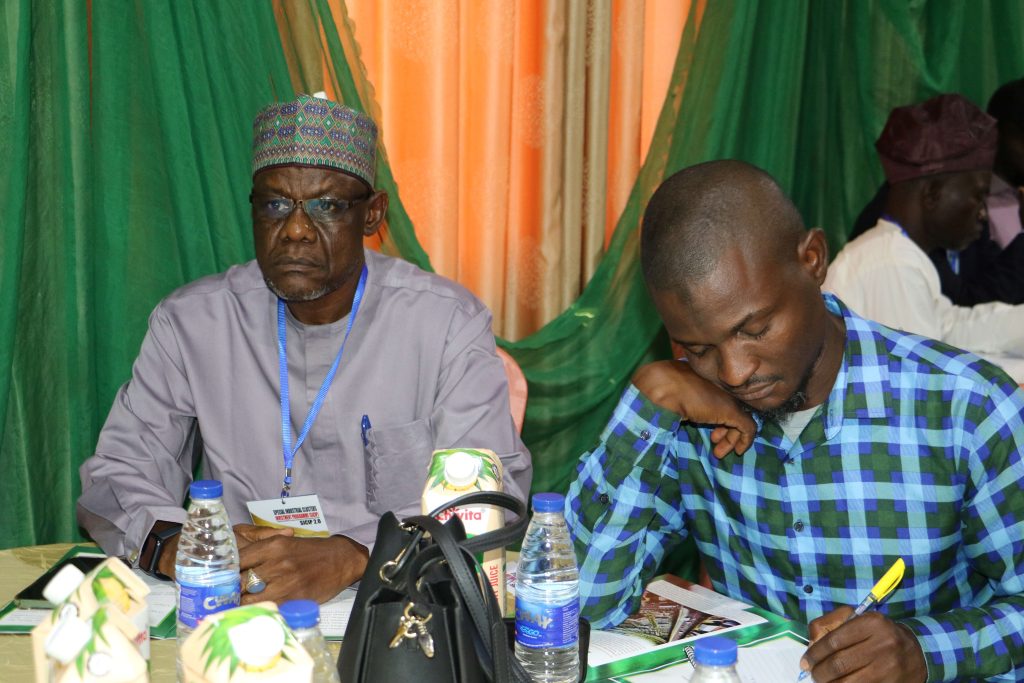
The Raw Materials Research and Development Council (RMRDC) was prominently represented at the second edition of the Special Industrial Clusters Investment Program (SICIP 2.0). The SICIP is an initiative of the Roseate Forte Nigeria Limited and is supported by the Federal Government and other sub-nationals to drive investment projects in the 774 local government areas across the nation.

The Director-General, RMRDC, Prof. Nnanyelugo Ike-Muonso, was represented by the Deputy Director, Raw Materials Cluster Development Division (RMCD), Mrs Chinyere Nnamdi-Anum, to brief stakeholders on key projects, incentives, investment opportunities, and the overall benefits for investors and the Nigerian economy.

Speaking at the event, Mrs Anum highlighted the Council’s critical role as a federal agency mandated to promote the development of Nigeria’s vast raw materials for sustainable industrialisation and economic growth. “RMRDC’s core mission is import substitution through promotion of value addition to local resources,” she stated.
Mrs Nnamdi-Anum detailed the Council’s ambitious cluster development agenda, noting that a ward-based cluster mapping of approximately 8,000 wards has been completed, identifying comparative advantages in raw materials across geopolitical zones to inform cluster establishment. She cited specific projects, including a leather Common Facility Centre in Kano, a salt cluster in Nasarawa, a cashew nut shell liquid technology developed in collaboration with Kogi State University and Federal University, Abeokuta, cashew processing equipment, an Adire fabric-making cluster in Ogun State, and a plantain value chain processing cluster in Bayelsa State.
You Might AlsoLike




She noted that the Council is also spearheading investment forums across the country to promote private-sector engagement in raw material clusters and is implementing innovative projects such as “Curbing Post-Harvest Losses of Agricultural Raw Materials through Indigenous Technology.” To date, RMRDC has to it’s a total credit 46 patents and operates a Raw Materials Information System (RMIS) and so on.
On incentives, Mrs Nnamdi-Anum emphasised the Council’s support in research and development, provision of technical expertise, and dissemination of critical raw material information to stakeholders. She also highlighted RMRDC’s nationwide representation, fostering grassroots collaboration in all 36 states and the FCT.
She identified for investors eleven key sectors for development, including base metals, iron and steel, plastics, rubber and foam, electrical and electronics, chemicals and pharmaceuticals, food and beverages, textiles, apparel, and leather products. These initiatives, she stressed, offer benefits such as job creation, reduction of import dependency, promotion of food security, increased GDP, expanded non-oil export revenue, and inclusive economic growth, particularly for women and youth.

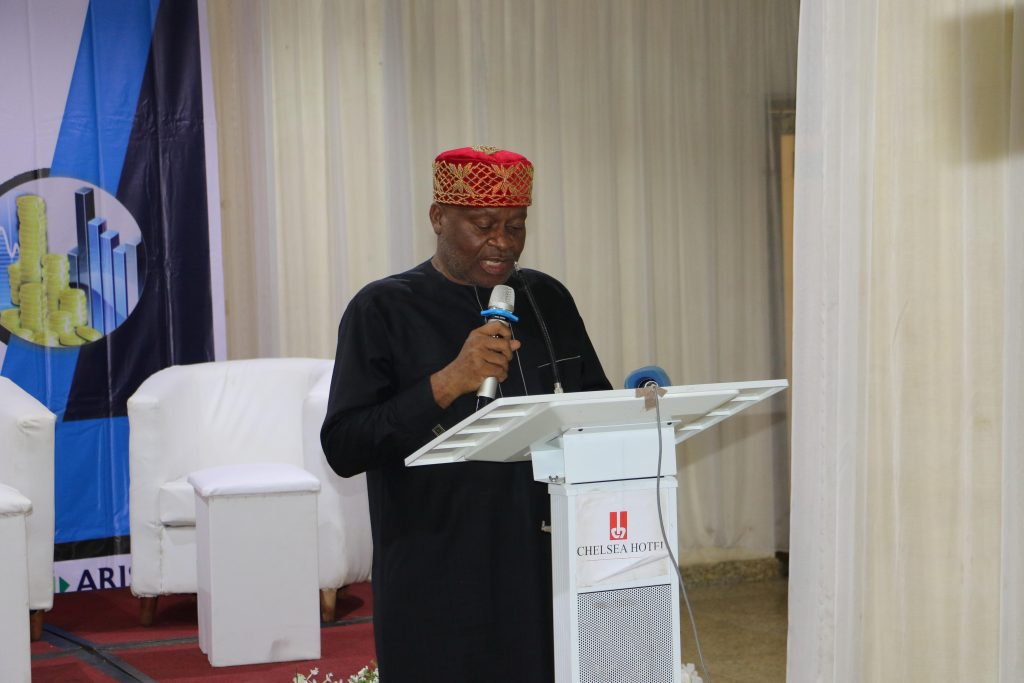
“Positioning Nigeria’s raw materials sector to be globally competitive, sustainable, and innovation-driven is essential for the country to achieve industrialisation and economic diversification,” Mrs Nnamdi-Anum concluded, calling for enhanced collaboration between government, investors, and other stakeholders.
The event, which had participants from the Bank of Industry (BOI), Federal Ministry of Innovation Science and Technology (FMIST), Federal Ministry of Industry, Trade and Investment, Manufacturers Association of Nigeria (MAN), Medium and Small Enterprises Development Agency of Nigeria (SMEDAN) and so on provided a platform for stakeholders to gain insights into RMRDC’s extensive work in cluster development and the strategic opportunities available to investors, reinforcing the Council’s vision of a self-reliant and industrialised Nigeria.