By Adibe Adaora and Olufadi Halima
The Raw Materials Research and Development Council (RMRDC) convened a high-level dialogue session to present its comprehensive 10-Year Strategic Roadmap (2025-2034) for Nigeria’s raw materials sector. The high-level event took place on November 11, 2025 at the RMRDC Event Centre in Abuja. The event brought together members of the diplomatic community and key development partners, signaling a unified approach to driving sustainable industrial growth.

Presenting the opening remarks, the Director General/CEO of RMRDC Professor Nnanyelugo Ike-Muonso, described the event as a defining milestone in repositioning the raw materials sector as the cornerstone of Nigeria’s sustainable industrial development. “The success of this roadmap hinges on collaboration,” he affirmed. “We recognize the invaluable role of the diplomatic community and international partners in providing technology, investment, and expertise to accelerate our progress. This dialogue offers a platform to explore mutually beneficial partnerships in research, innovation, capacity building, and sustainable industrial growth.”
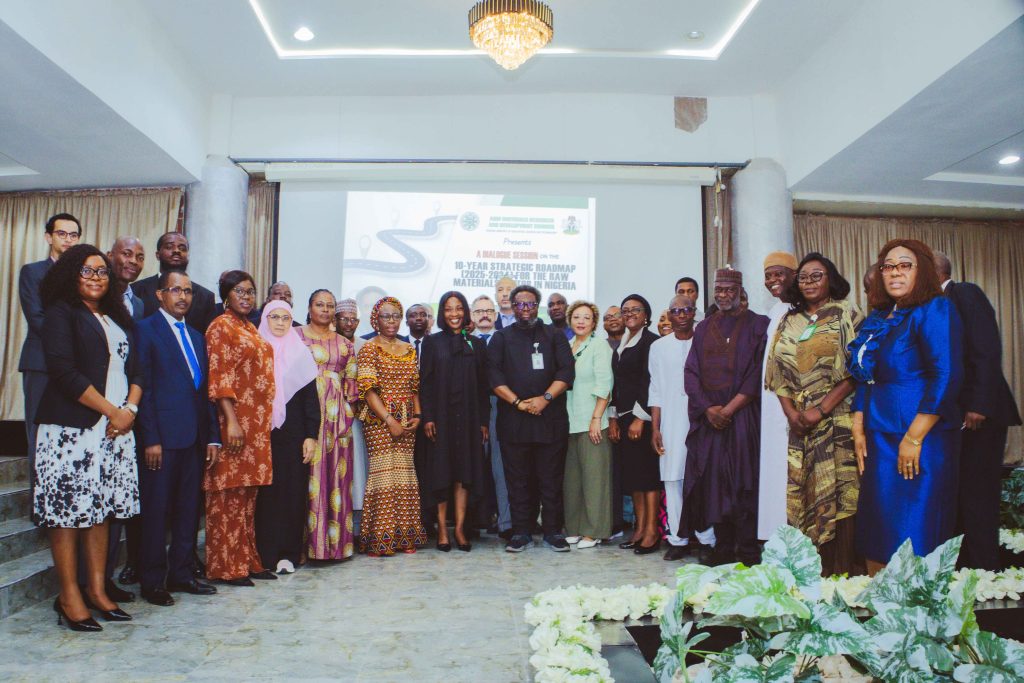
Professor Ike-Muonso emphasized that the roadmap transcends a traditional policy document, positioning it instead as a transformative framework to unlock Nigeria’s vast raw materials potential, deepen value addition, and integrate the country more effectively into global value chains.
Earlier in her welcome address, the Overseeing Director of the Planning, Statistics and Policy Department (PSPD), Mrs. T. A. Giwa-Osagie, highlighted that the roadmap was developed in partnership with the African Development Bank (AfDB).
You Might AlsoLike




She noted that it is designed to promote an innovative, resilient, and globally competitive raw materials ecosystem. “The roadmap represents a bold and transformative framework aimed at repositioning Nigeria’s raw materials sector as a primary catalyst for industrial growth, economic diversification, and sustainable development,” she said. She outlined four key thematic pillars: Value Addition, Collaboration, Capacity Building, and Data Development, each reflecting RMRDC’s commitment to advancing industrialization through both homegrown innovation and strategic international partnerships.
Dr. K.B. Ajoku, in his detailed presentation on the roadmap’s overview, elaborated on the collaboration framework, which is structured around thematic areas engaging diverse stakeholders including government ministries and agencies, academia, the private sector, global development partners, and diplomatic missions. A critical priority identified is the imperative for reliable data to inform decision-making within the raw materials sector. Dr. Ajoku highlighted RMRDC’s existing Raw Materials Information System and expressed opportunities for its enhancement through partnerships with international bodies, such as leveraging the European Union’s Raw Materials Information System to improve investment intelligence and sector planning. He further emphasized the strategic role of foreign missions in Nigeria’s socioeconomic development, noting that effective collaboration necessitates structured platforms for ongoing dialogue and communication.
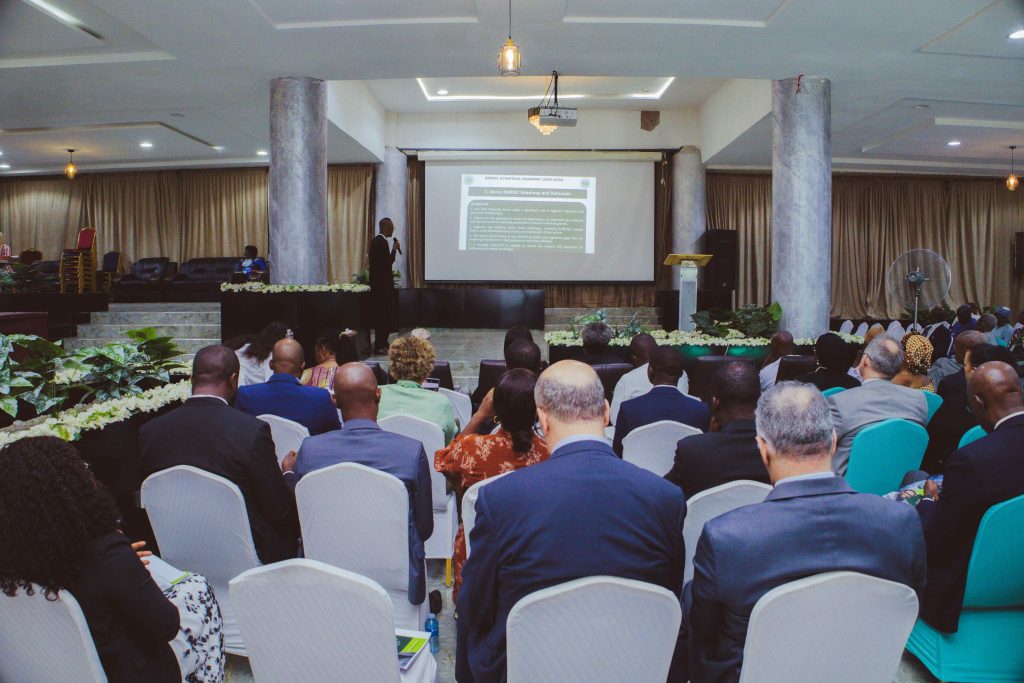
Another resource person, Mr. Emmanuel Evbodaghe outlined the tangible benefits for potential partners, positioning the roadmap as a dynamic platform for stakeholders to engage, influence, and gain from through enhanced market access and trade optimization. He explained that processed raw materials with a minimum of 30% value addition would lead to higher quality exports, new trade channels, and reduced supply risks. International buyers, in turn, stand to benefit from more consistent standards, improved traceability, and reduced costs in downstream processing.

In addition, Mr. Evbodaghe highlighted that supporting Nigeria’s industrial transformation contributes to regional stability, economic resilience, and soft power, thereby positioning donor countries as trusted allies in Africa’s development narrative. The diplomatic community also gains access to the roadmap’s data bank, providing reliable, structured data on Nigeria’s raw materials, reserves, production, and value chains, alongside opportunities for co-developing tools, dashboards, and decision support systems.
Delivering the vote of thanks, the Deputy Director, Local and International Collaboration Division (LICD), Dr. Oluremi Elusoji, described the engagement as profoundly insightful and encouraging. She commended the robust exchange of ideas and reaffirmed RMRDC’s dedication to fostering enduring partnerships that advance Nigeria’s industrial transformation. “The RMRDC 10-Year Strategic Roadmap (2025–2034) represents a collective vision to strengthen the nation’s raw materials base, enhance research-industry linkages, and foster inclusive growth,” she stated. “Your active participation today affirms that this vision can only be realized through steadfast collaboration and partnership,” she concluded.
The dialogue session marks a pivotal moment in RMRDC’s efforts to galvanize support and foster strategic alliances crucial for the successful implementation of its ambitious roadmap, setting the stage for a transformative decade for Nigeria’s raw materials sector.