By Adeyemi saheed
The Raw Materials Research and Development Council (RMRDC) has emphasized the importance of value creation in unlocking the economic potential of sweet potatoes in Nigeria. This was highlighted at the 1-Day Investors Forum on Sweet Potato Development in Osun State, themed “Investment Opportunities in the Production, Processing, and Marketing of Sweet Potato and its Value-Added Products.“

The forum, organized in collaboration with the National Root Crops Research Institute (NRCRI) and OSOCCIMA, brought together experts and stakeholders to discuss strategies for promoting investment and industrial growth in the sector.
The Director-General of RMRDC, Prof. Nnanyelugo Ike-Muonso who was represented by Deputy Director, Admin and Human Resources Department, Mrs. Olukemi Ajani, welcomed participants and commended the initiative of the Osun State Coordinating Office for organizing the forum. She underscored the economic potential of sweet potato as an emerging industrial crop capable of contributing significantly to food security, nutritional improvement, and export diversification.

During the forum, participants discussed various ways sweet potatoes can be converted into different products, including snacks and appetizers such as sweet potato fries and chips, baked goods like sweet potato cake and bread, desserts like sweet potato pie and pudding, and beverages like sweet potato juice and tea. Additionally, sweet potatoes can be used to make gnocchi, pancakes, and hummus, among other dishes. They can also be preserved through dehydration or processing into flour for use in baked goods or as a thickening agent.
You Might AlsoLike




Professor Adebayo Akinola from the Department of Agricultural Economics, Obafemi Awolowo University, Ile-Ife, highlighted the potential of sweet potatoes to transform the state’s economy, improve food security, and create jobs. He emphasized that the development of the sweet potato value chain has the potential to attract investors and promote economic growth in the state.

Other notable presentations and discussions during the forum included investment opportunities in sweet potato processing, packaging, and value addition by Mr. Salawu Ismail Ademola from NRCRI, market linkages, export potential, and branding strategies for sweet potato products in Nigeria by Dr. Adebola Samuel Idowu from Smedan, financing products tailored for farmers, women, and youth entrepreneurs by Mr. Onigbinde P. A from the Bank of Agriculture, and ongoing interventions in agro-processing, MSME financing, and value chain industrialization by Mr. Gbenga Leye from the Bank of Industry.
His Royal Majesty, Oba Dr. AbdulRasak Taiwo Adegboye, commended RMRDC for its visionary initiative and emphasized the vital role of agriculture, particularly sweet potato, in promoting food security, youth empowerment, and rural development. Mr. Fopefolu Komolafe, Founder of TerraVerify, emphasized the integration of ESG principles, digital traceability, and premium market access within the sweet potato value chain to enhance transparency, sustainability, industrialization, and competitiveness.

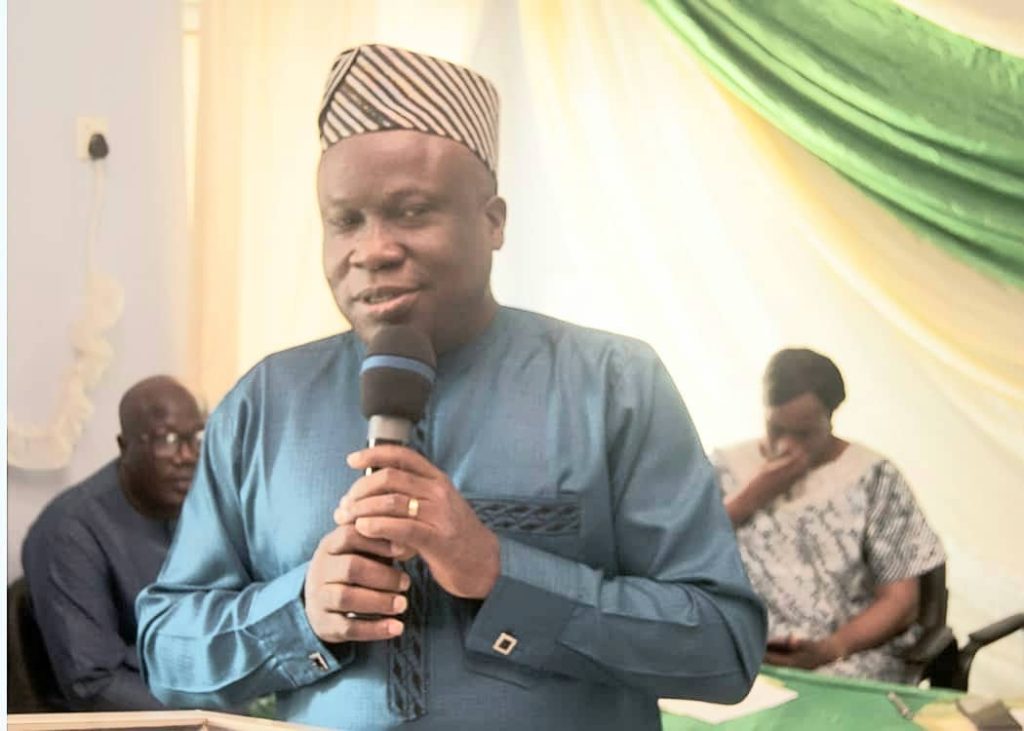
Mrs. Ishola Modupe Olanrewaju, CEO of Oroki Ologi Foods Ventures, appreciated RMRDC’s efforts in promoting local content development and shared her success story in pap production and export. Mr. Kehinde Okewole, representing the State Coordinator of NAFDAC, commended RMRDC for its efforts in promoting value addition through agriculture and emphasized the importance of product quality, hygiene, and good manufacturing practices.
The forum concluded with a communiqué that highlighted key resolutions and recommendations, including the establishment of a Sweet Potato Value Chain Task Force, enhanced capacity building for processors, promotion of public-private partnerships (PPP), and integration of sweet potato into Osun State’s agricultural investment framework.
The forum was seen as a landmark initiative that reaffirmed RMRDC’s commitment to advancing agro-based industrialization and underscored the Council’s role as a catalyst for sustainable industrial growth in Nigeria.