
By Lukman Isah
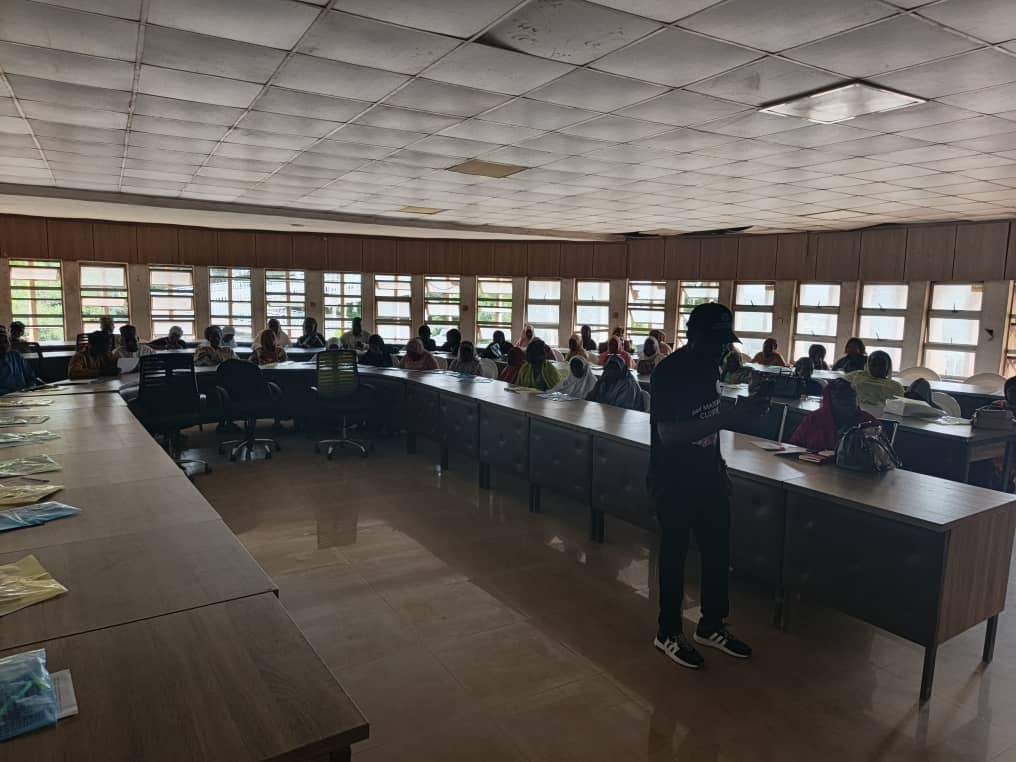
Stakeholders at a recent training workshop in Kaduna have urged the Raw Materials Research and Development Council (RMRDC) to intensify its educational initiatives and expand research efforts to address post-harvest losses, particularly in perishable crops such as tomatoes. The appeals were made during the workshop themed “Curbing Post-Harvest Losses of Agricultural Produce Using Indigenous Technology,” organized by the RMRDC, where participants emphasized the need for targeted interventions, including combating a persistent tomato pest.

The primary plea came from Sarkin Rigachikum, representing the District Head of Igabi. He strongly advocated for the RMRDC to extend its crucial sensitization programs on curbing agricultural post-harvest losses to all 23 local government areas of Kaduna State. “While this workshop is an excellent step, its impact needs to be amplified across the entire state,” Sarkin Rigachikum emphasized. “Many of our farmers, especially in remote areas, are still grappling with significant post-harvest losses due to a lack of awareness and access to appropriate technologies. Extending these sensitization efforts to all 23 local government areas is crucial for achieving widespread food security and improving farmers’ livelihoods,” he explained.
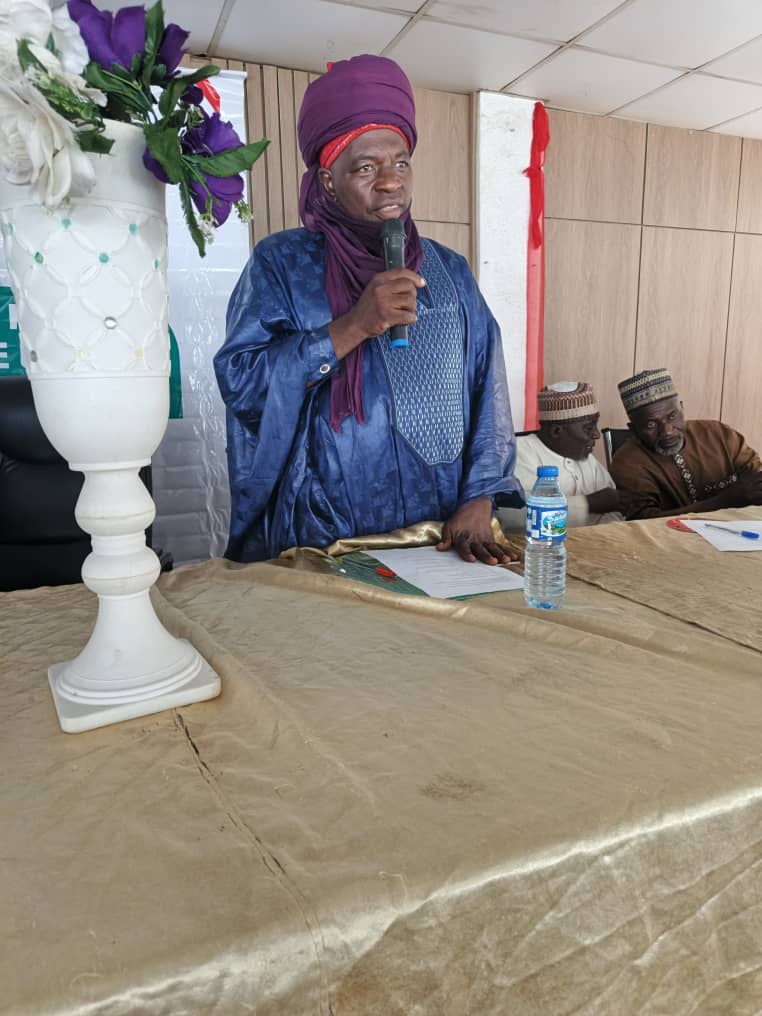
He highlighted the varied agricultural practices and challenges unique to different parts of the state, underscoring the need for comprehensive and localized solutions.
Also speaking, a participant at the workshop raised concerns about the devastating impact of Tuta absoluta, a notorious pest, on tomato farms. The participant urged the RMRDC to “deepen research” into effective and sustainable methods for curbing the pest, which has caused substantial losses for tomato farmers in the region. “While we appreciate the focus on post-harvest losses, it’s equally important to address the challenges farmers face during cultivation, such as the menace of Tuta absoluta, many tomato farmers have lost entire harvests to this pest. We implore the RMRDC to dedicate more resources and focus on research that can provide long-term solutions to this persistent problem, possibly leveraging indigenous knowledge and biological control methods.” the participant stated.
You Might AlsoLike




The Council, known for its mandate to promote the development and utilization of Nigeria’s raw materials, organized the workshop to empower local farmers with practical, indigenous solutions to minimize waste after harvest. Various feedback from the traditional leader and the participant suggests a broader expectation from the farming community for the Council to address a wider spectrum of agricultural challenges, from farm to market.
RMRDC is working assiduously to ensure continuous advocacy work on post-harvest management on tomatoes so as to build a sustainable economic development.