
By Lukman Isah
In a strategic move to combat Nigeria’s persistent post-harvest losses, the Raw Materials Research and Development Council (RMRDC) has empowered farmers and Small and Medium Enterprises (SMEs) in Kaduna with indigenous technologies aimed at improving processing, storage, and value addition.

Speaking during a one-day workshop held at the Federal Secretariat, Kaduna, on Thursday, July 17, 2025, the Director-General of RMRDC, Prof. Nnanyelugo M. Ike-Muonso, called for SMEs to play a pivotal role in industrial transformation through the adoption of homegrown technologies. Represented by Mr. Mohammad Yaro, Director, Investment Promotion and Consultancy Services Department, Prof. Ike-Muonso emphasized the scale of losses in the tomato value chain.
“Despite producing around 1.8 million tonnes of tomatoes annually, Nigeria loses nearly 50 percent to post-harvest spoilage. This overdependence on imported tomato paste costs the country billions of naira each year,” Mr. Yaro stated.

However, he positioned the crisis as an opportunity. “This challenge presents a unique space for innovation, enterprise development, and job creation,” he said, urging SMEs to leverage indigenous technologies to bridge the gap. He noted that SMEs contribute over 40 percent to Nigeria’s GDP and are key drivers of employment.
You Might AlsoLike




Demonstrating RMRDC’s commitment to local content, Yaro unveiled a range of locally-fabricated dryers, processing equipment, and packaging tools. These, he said, were designed to enhance value addition, minimize waste, and improve the competitiveness of Nigerian agricultural products in both local and export markets.
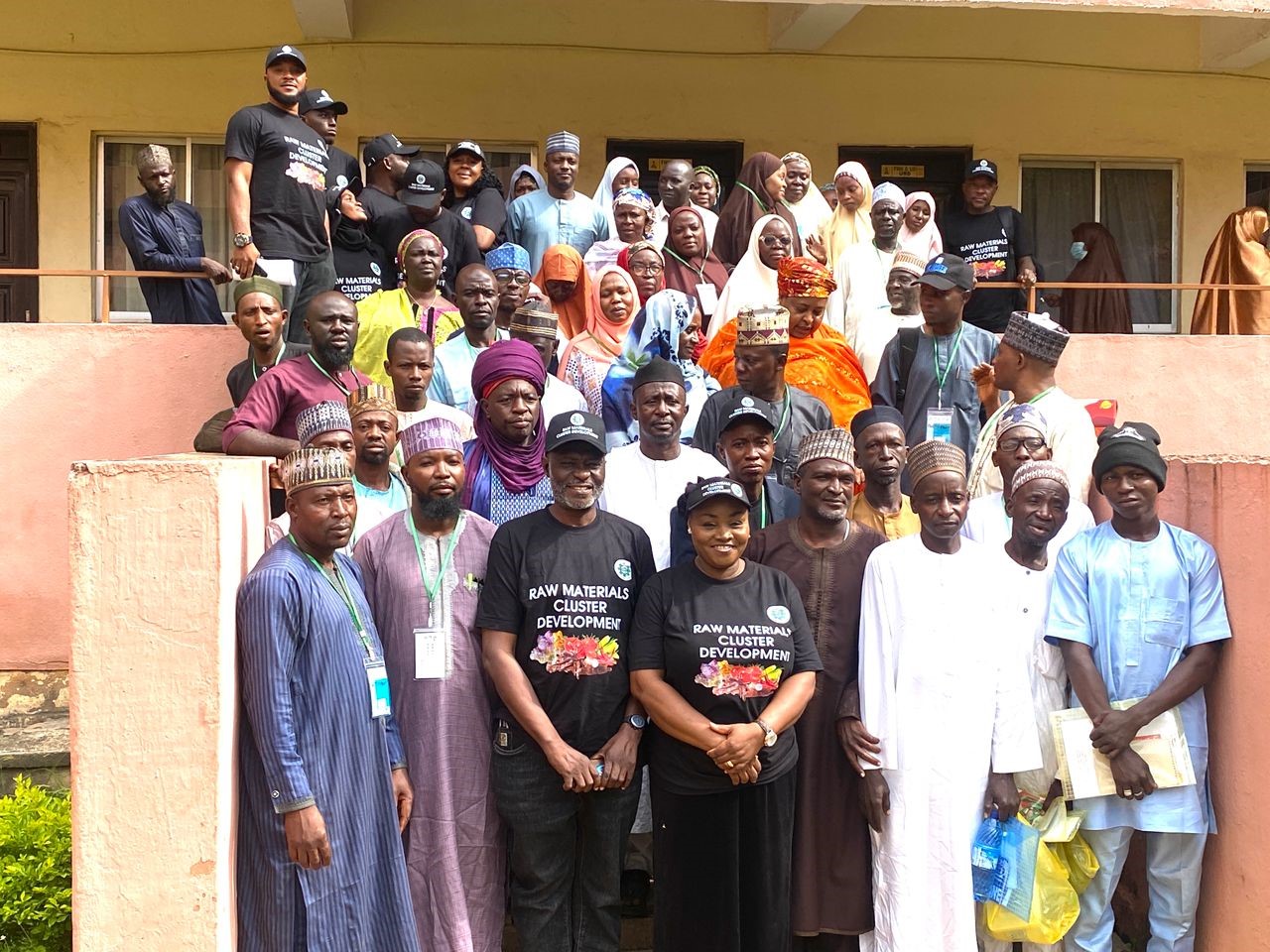
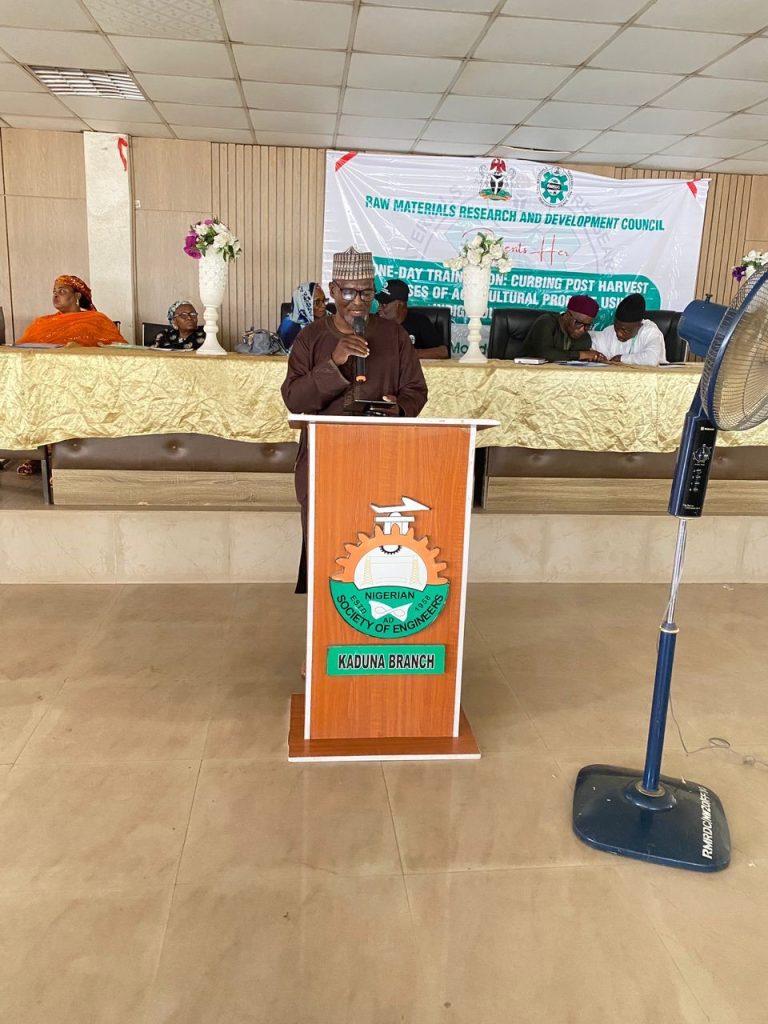
The workshop, themed “Curbing Post-Harvest Losses of Agricultural Produce Using Indigenous Technology,” drew participants including farmers, agripreneurs, and agricultural extension officers from across the state.
The Deputy Director, Raw Materials Cluster Development Division, Mrs. R.C. Nnamdi-Anum, and the programme focal person, outlined key objectives of the event. These included building a network of SME experts; fostering a community of practice to enable collaboration and knowledge sharing; and enhancing SME capacity to apply research and development (R&D) outputs in creating competitive, market-ready products and so on.

In his welcome address, RMRDC Kaduna State Coordinator, Mr. Mutallab Shehu Jibrin, highlighted the urgency of addressing post-harvest challenges. “A significant portion of farmers’ output is lost due to poor handling, inadequate storage, and limited preservation techniques,” he said. “These losses not only reduce farmers’ incomes but also threaten national food security and agro-industrial growth.”
A key highlight of the event was discussion on the recent bill passed by the National Assembly mandating that at least 30 percent of agricultural produce must be value-added before export. Mr. Yaro described it as a “monumental step” toward unlocking the potential of the agricultural value chain.
Participants received practical training on using low-cost, locally-manufactured equipment to process tomatoes into shelf-stable paste. Technical sessions featured expert-led presentations such as “Storage Technologies and Innovations for Reducing Post-Harvest Losses in Nigeria” by former RMRDC Director, Dr. H.Y. Tanko, and “Processing Technologies and Innovations for Agricultural Produce” by Mrs. Nnamdi-Anum.
The event attracted a broad spectrum of stakeholders from government, private industry, and grassroots organizations. Notable attendees included Alhaji Murtala Dabo, Kaduna State Commissioner for Agriculture (represented by Mr. Gbege, Director of Agricultural Services); Mr. Victor Garuba, General Manager, Processing at Tomato Jos; Dr. A.D. Umar, President, Licensed Business Development Services Providers of Nigeria; Hajiya Binta Ibrahim, MD, Hajnaby Ventures; and Hajiya Hajara Yusuf Dantsoho of the Small Homes Farmers Development Association.
As the workshop concluded, participants expressed optimism about the practical tools and knowledge shared. Many underscored the importance of such initiatives in addressing critical gaps in Nigeria’s agricultural value chain and unlocking the sector’s full economic potential.