By Oluremi Rebecca, Dantawaye Andrew
The Raw Materials Research and Development Council (RMRDC) Ondo State Coordinating Office recently conducted a comprehensive staff training session on the implementation and proper utilization of the Performance Management System (PMS) portal. The training, led by the state coordinator, Mrs. Tejumola, emphasized the critical importance of Key Result Areas (KRAs) in staff performance evaluation.

The training brought together all staff members for an intensive training program designed to enhance their understanding of the PMS system and its strategic applications. Mrs. Tejumola, the state coordinator, had meticulously prepared individual schedules of duties for each staff member prior to the training, ensuring that all assignments were strategically aligned with the council’s established goals and objectives.
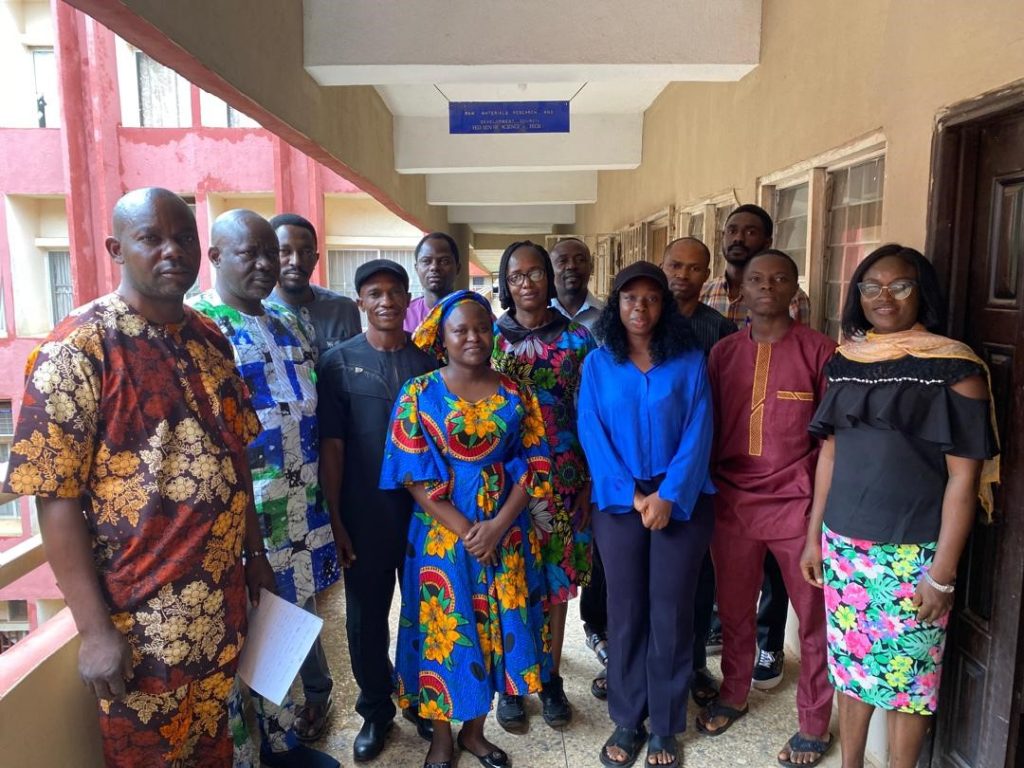
During her address to the staff, Mrs. Tejumola placed particular emphasis on the significance of working within each staff member’s designated Key Result Areas (KRAs), explaining that these areas would serve as the primary basis for performance grading on the PMS portal. She stressed that understanding and adhering to individual KRAs was not merely an administrative requirement but a fundamental aspect of professional effectiveness and organizational success.
“Each staff member must clearly understand their Key Result Areas as these will directly determine how their performance is evaluated and graded within the PMS system,” Mrs. Tejumola explained.
You Might AlsoLike




She highlighted that the strategic alignment of duties with KRAs ensures that all staff member’s contributions are measurable, relevant, and directly connected to the broader organizational objectives.
Mrs. Oluremi then took the floor to provide detailed technical guidance on the PMS portal operations. Her presentation was notably interactive and comprehensive, offering step-by-step instructions on how staff members should accurately input their data into the system.
She provided thorough guidance on completing individual schedules within the portal, ensuring that all entries properly reflected each person’s assigned duties and corresponded with their specific KRAs.

The training session covered essential aspects of data entry procedures, system navigation protocols, and quality assurance measures necessary for maintaining data integrity within the PMS platform. Mrs. Oluremi’s hands-on approach allowed staff members to gain practical experience with the system while receiving immediate clarification on any queries or concerns that arose during the process.
Mrs. Tejumola concluded the successful training session by expressing appreciation to all staff members for their active participation and commitment to professional development.
The training represents a significant step forward in the organization’s commitment to performance excellence and strategic goal achievement. By ensuring that all staff members understand their KRAs and can effectively utilize the PMS portal, the organization is positioned to enhance its performance monitoring capabilities and maintain high standards of accountability across all departments.
The comprehensive approach to PMS implementation, beginning with strategically aligned duty schedules and culminating in practical system training, demonstrates the organization’s dedication to creating a performance-driven culture where individual contributions are clearly defined, properly measured, and directly linked to organizational success.