By Timipah Orusa
The Bayelsa State Coordinator of the Raw Materials Research and Development Council (RMRDC), Mr. Timipah Orusa, has called on the state government to provide stronger support to farmers and traders to unlock the state’s full export potential.

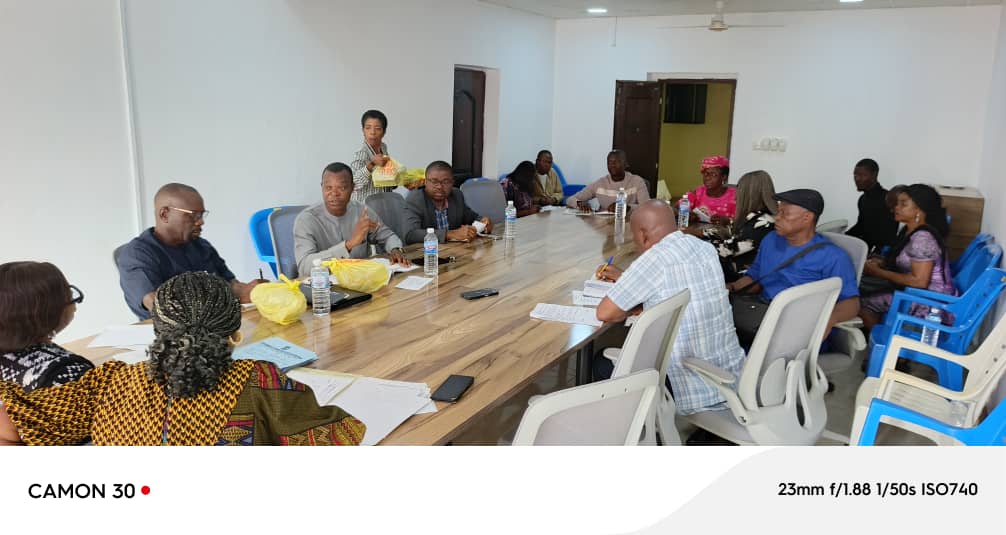
Orusa made the call during the second quarter meeting of the Bayelsa State Committee on Export Promotion (BYS–SCEP), held on Monday, June 16, 2025, at the Ministry of Trade, Industry and Investment’s conference hall in Yenagoa. The meeting was organized by the Nigerian Export Promotion Council (NEPC) in partnership with the state’s Ministry of Trade.
The gathering brought together 29 key stakeholders to deliberate on strategies for enhancing export growth and industrial development in Bayelsa. One of the major outcomes of the meeting was the endorsement of cocoa as a new export product for the state. Participants also resolved to pay a courtesy visit to the State Governor and to establish a common facility center aimed at helping farmers meet export standards.
Orusa, in his remarks, emphasized that the low volume of agricultural exports from Bayelsa was not due to a lack of produce but rather because many agricultural products were transported out of the state informally. He urged the state government to support farmers and traders with farm inputs and soft loans, noting that many prefer to sell quickly for immediate returns due to a lack of resources.
You Might AlsoLike



He also highlighted RMRDC’s ongoing initiatives, including the development of the Raw Materials Information Management System (RMIMS), a digital platform aimed at improving global access to Nigeria’s raw materials database. Orusa further called on stakeholders to support the Council’s proposed 30% Value Addition Bill, which he said would boost economic growth and wealth creation by encouraging local processing of raw materials.
The NEPC State Coordinator, Mrs. Sylvia Adeneye, outlined key export strategies including mentorship for small and medium enterprises (SMEs), enhanced certification processes, support for informal trade, and the strengthening of trade clusters. She noted that Bayelsa currently has four active export clusters — seafood, plantain processors, cocoa, and general export — and stressed the importance of empowering these groups to improve competitiveness in international markets.
Adeneye also reported a rise in non-oil export revenue from $4.5 million to $5.5 million in the past year and expressed confidence in doubling the figure through revived common facility centres and better coordination.

During the meeting, the draft Bayelsa State Export Strategy was reviewed and found to require significant improvement. NEPC presented a new template and recommended broader stakeholder involvement and possibly hiring a consultant to guide the development of the strategy. Stakeholders including Chief Mightyman Aye Dikuro and Mr. Ben Abidde of YECCIMA echoed the call for professional input and collaboration.
Concerns were also raised over the lack of a legal framework backing the Bayelsa Commodities Export Development Agency. In the interim, it was agreed that the SCEP would continue to work closely with the Ministry of Trade, Industry and Investment.
Other highlights of the meeting included the discovery of abundant cocoa in Sagbama Local Government Area, plans for a visit to the Cocoa Research Institute of Nigeria, and a proposed capacity-building workshop for cocoa farmers.
The meeting reinforced Bayelsa State’s commitment to growing its export sector through collaboration, strategic investment, and stronger government backing — with cocoa now emerging as a central focus for future export development.
Top of Form
Bottom of Form