By Godswill Amuneke
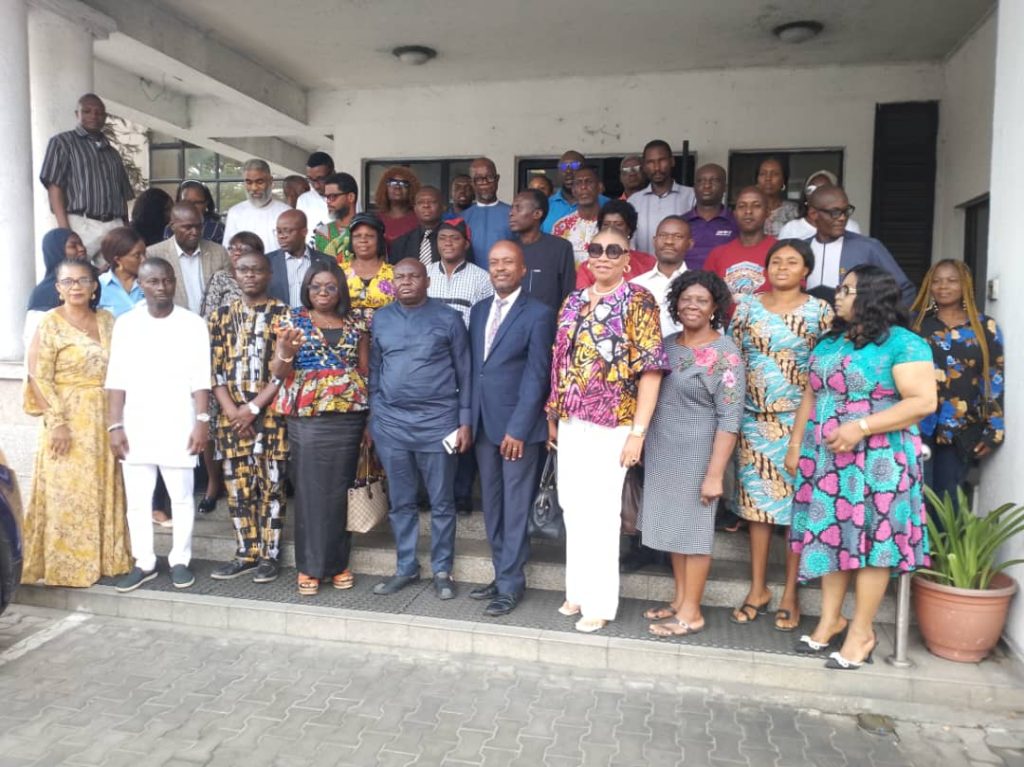
The Raw Materials Research and Development Council (RMRDC) has called for intensified focus on raw materials development as a strategic foundation for Nigeria’s non-oil export growth. This call was made during a capacity-building workshop on “Agenda Setting for Export Market Development for Cooperatives and Clusters” organized by the Nigerian Export Promotion Council (NEPC) in Port Harcourt, Rivers State.

Held at the Aldgate Hotel on Sani Abacha Road, the one-day event brought together stakeholders from various sectors to deliberate on positioning cooperatives and clusters for increased participation in global trade.
In his welcome address, the South-South Regional Coordinator of NEPC, Arc. Benedict Itegbe, stressed the importance of structured support for small and medium-scale enterprises (SMEs) through cooperative models and strategic training programs. According to Itegbe, the workshop provided a platform to collectively chart the course for non-oil export activities for the year, with a view to enhancing Nigeria’s competitiveness in international markets.
Delivering a goodwill message on behalf of the RMRDC, Mr. Minzor-Ezekiel Kurotimipa, the Council’s Rivers State Coordinator, outlined recent initiatives aimed at strengthening the raw materials value chain. He spotlighted the Nigeria Raw Materials Information System (NRMIS), launched earlier this year on the Council’s portal. The platform features an interactive map showing the geographical distribution of raw materials across Nigeria’s 36 states and the Federal Capital Territory, offering valuable data for investors, policymakers, and manufacturers.
You Might AlsoLike




Mr. Minzor-Ezekiel also referenced the African Raw Materials Summit recently hosted by the RMRDC. Themed “Shaping the Future of Africa’s Resource Landscape”, the summit attracted participants from 72 countries and featured the unveiling of a 10-year roadmap for raw materials development by the Federal Government.
Key targets of the roadmap include:
- Establishing a comprehensive national database for raw materials mapping and analysis;
- Attaining 30–95% value addition to raw materials by 2034;
- Enhancing public-private-international collaborations in the resource sector; and
- Building technical capacity through certification and standardization programs.
He further revealed that the Council is promoting a bill currently before the National Assembly, which seeks to prohibit the export of raw materials that have not undergone at least 30% value addition. The proposed legislation aims to spur local processing industries, generate employment, and transform Nigeria into a hub for semi-finished product exports.

In closing, Mr. Minzor-Ezekiel invited participants to the forthcoming “Investors’ Forum on Investment Opportunities in the Cassava Value Chain for Industrial Development in Rivers State.” The event, jointly organized by the RMRDC Rivers State Coordinating Office and the Nigerian Stored Products Research Institute (NSPRI), is scheduled for June 25, 2025.
The workshop underscored the critical intersection between raw materials development and sustainable export growth, reinforcing the need for coordinated policy and investment action across Nigeria’s industrial landscape.