By Chinyere Nnamdi-Anum, Oluwaseyi Otitiju and Aisha Mujeli
The Raw Materials Research and Development Council (RMRDC) and the National Automotive Design and Development Council (NADDC) have strengthened efforts toward local automotive component manufacturing and industrial development through a strategic partnership engagement held at the RMRDC Headquarters, Abuja, on May 5, 2026.

Speaking during the meeting, the Director-General of RMRDC, Professor Nnanyelugo Ike-Muonso, described the collaboration as a long-awaited and significant step toward advancing Nigeria’s industrialisation agenda. He noted that the partnership would help reduce dependence on imported automotive components, conserve foreign exchange, and promote the utilisation of locally available raw materials.
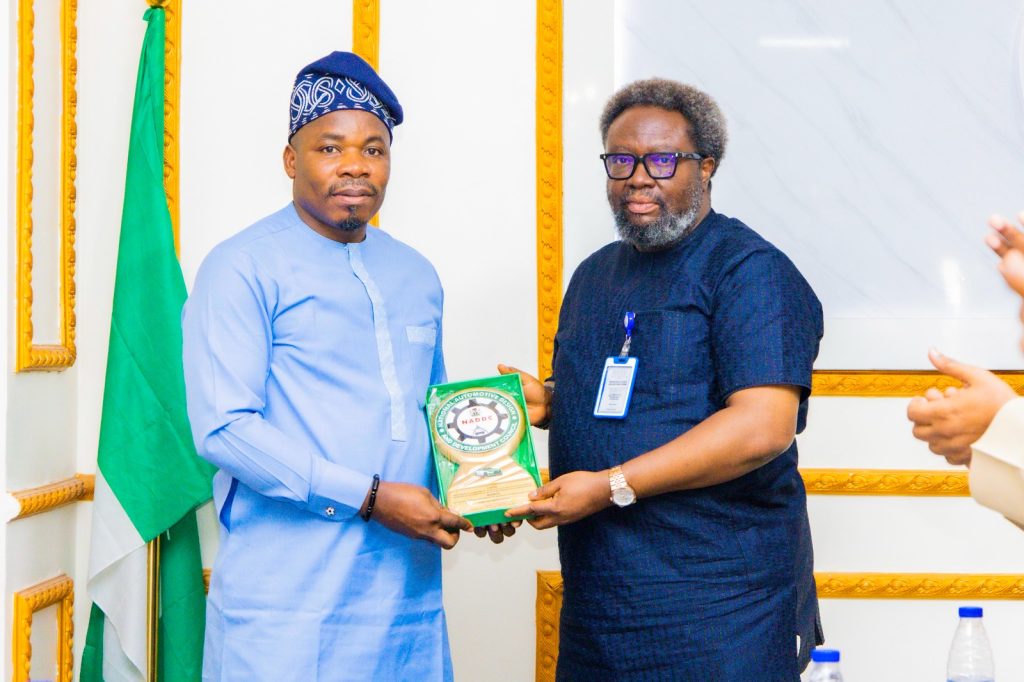
According to him, no economy can thrive without a functional automotive and transportation system, stressing that stronger collaboration between both agencies would support Nigeria’s economic growth and improve local manufacturing capacity. He explained that RMRDC possesses extensive research outputs, raw material substitution technologies, and demonstration plants that could support the development of locally manufactured automotive components.
Professor Ike-Muonso further disclosed that the Council has several research outputs and technologies that could support the development of locally manufactured automotive components using materials such as steel, aluminium, rubber, plastics, and glass. He stated that the collaboration would focus on identifying highly imported automotive components and replacing them with locally sourced alternatives through joint research, development, and industrial partnerships.
You Might AlsoLike




Also speaking, the Director-General of the National Automotive Design and Development Council (NADDC), Mr. Oluwemimo Joseph Osanipin, admitted that both agencies should have established the collaboration much earlier considering their complementary mandates. He explained that NADDC had encountered several challenges while pursuing local automotive component development, particularly in translating concepts into industrial-scale production.
Osanipin revealed that Nigeria spends billions of dollars annually importing replacement parts for motorcycles, tricycles, and vehicles, a situation he described as unsustainable. He disclosed that NADDC had already initiated a local components development programme aimed at identifying and producing locally manufacturable parts, beginning with motorcycles and tricycles.
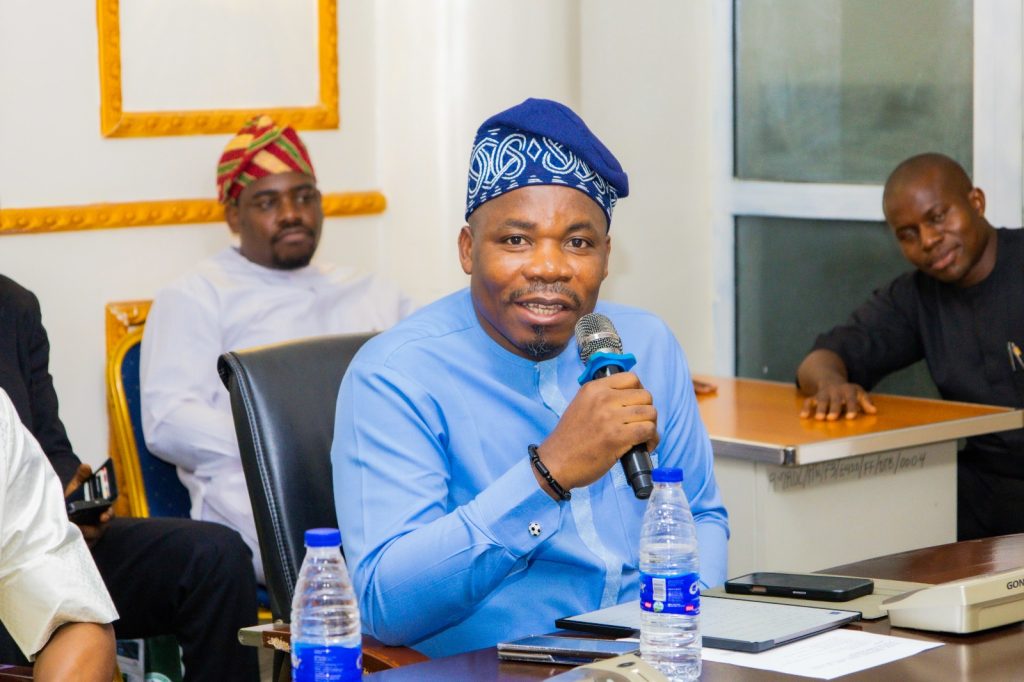
According to him, the partnership with RMRDC would provide the technical support and raw material expertise required to accelerate the programme.

He warned that failure to strengthen local manufacturing capacity could expose Nigeria to increased import dependence and weaken local industries, adding that the country has limited time to strategically position itself within the continental market.
Earlier in his comments and observations during the engagement, Ike Willie-Nwobu commended the leadership of both agencies for initiating what he described as a transformational and solution-driven partnership capable of becoming a national model for inter-agency collaboration.
He noted that the partnership would optimise the mandates and operational capacities of both organisations while promoting research-driven industrial development, agro-mechanisation, logistics integration, and the formalisation of Nigeria’s informal automotive and artisan sectors.
Willie-Nwobu further stressed the need for stronger collaboration between government agencies, higher institutions, industries, and local fabricators to ensure that research outputs are aligned with industrial needs. He also highlighted the importance of market intelligence, technology monitoring, and stakeholder engagement in driving Nigeria’s industrial competitiveness.