
By Abdullahi Bala
Stakeholders in Zamfara State’s export and industrial development ecosystem have reaffirmed their commitment to accelerating non-oil exports by endorsing the continued promotion of four priority commodities — gold, lithium, cotton and groundnut — while advocating the development of additional state-specific export products to broaden the state’s economic base.

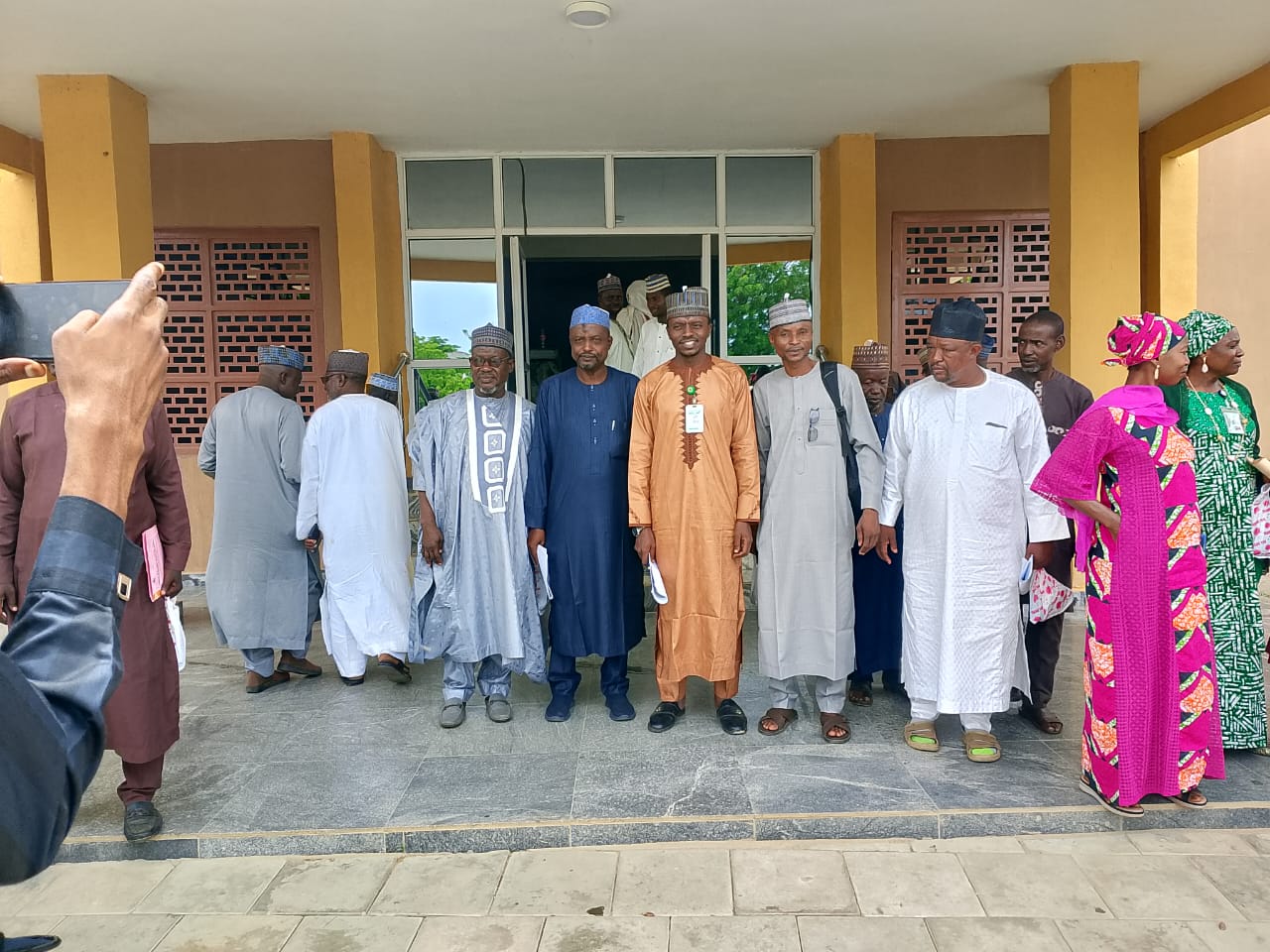
The resolution was reached during the Joint Committee Meeting on Export Promotion held on June 30, 2026, at the Zamfara State Ministry of Commerce and Tourism Development in Gusau.
The meeting, chaired by the Permanent Secretary of the ministry, brought together representatives of the Nigerian Export Promotion Council (NEPC), the Raw Materials Research and Development Council (RMRDC), Zamfara State Coordinating Office, relevant Ministries, Departments and Agencies, private sector associations and other industry stakeholders.
Participants deliberated extensively on strategies to unlock Zamfara State’s export potential, promote value addition, strengthen institutional collaboration and address constraints affecting local producers and exporters.
You Might AlsoLike



Speaking during the meeting, the NEPC State Coordinator, Mr Ahmad Ahijo, explained that the selection of gold, lithium, cotton and groundnut aligns with the council’s national policy on priority export products.
He noted that while the commodities remain Zamfara’s designated priority products, the council remains committed to supporting the export of all commercially viable products from the state.
A major highlight of the meeting was the growing demand by stakeholders for the inclusion of additional export commodities such as soybean, onion, cassava and other agricultural products with strong commercial prospects in order to reflect Zamfara’s evolving production landscape.

Contributing to the discussions, the Zamfara State Coordinator of the Raw Materials Research and Development Council (RMRDC), Mr Muhammad Gambo-Yaro, advocated a pragmatic approach that would allow the committee to maintain focus on the nationally approved priority products while encouraging the state government and relevant stakeholders to establish a separate framework for developing additional raw materials with significant export potential.
The proposal received unanimous support from committee members, who agreed that maintaining attention on the approved priority products while creating a complementary state-driven initiative would facilitate quicker implementation and deliver wider economic benefits.
Gambo-Yaro also underscored the importance of value addition as a catalyst for industrialisation and export competitiveness, stressing that processing raw materials before export significantly increases market value, creates employment opportunities and enhances revenue generation for businesses and government.
Representatives of the National Agency for Food and Drug Administration and Control also highlighted the need for product certification, quality assurance and strict compliance with international standards to enable products from Zamfara State to compete favourably in global markets.
Participants further identified improved access to quality agricultural inputs, particularly cotton seeds, stronger stakeholder collaboration, enhanced institutional support and sustainable funding as critical requirements for achieving the committee’s objectives.
The meeting ended with renewed commitments by government institutions, private sector operators, farmer groups, exporters and development partners to deepen collaboration in promoting industrial growth, expanding value addition and increasing Zamfara State’s participation in regional and international trade.
Stakeholders expressed optimism that the resolutions reached would strengthen the state’s export ecosystem and contribute to Nigeria’s broader economic diversification agenda through the sustainable utilisation and value-addition of local raw materials.