
By Olufadi Halima
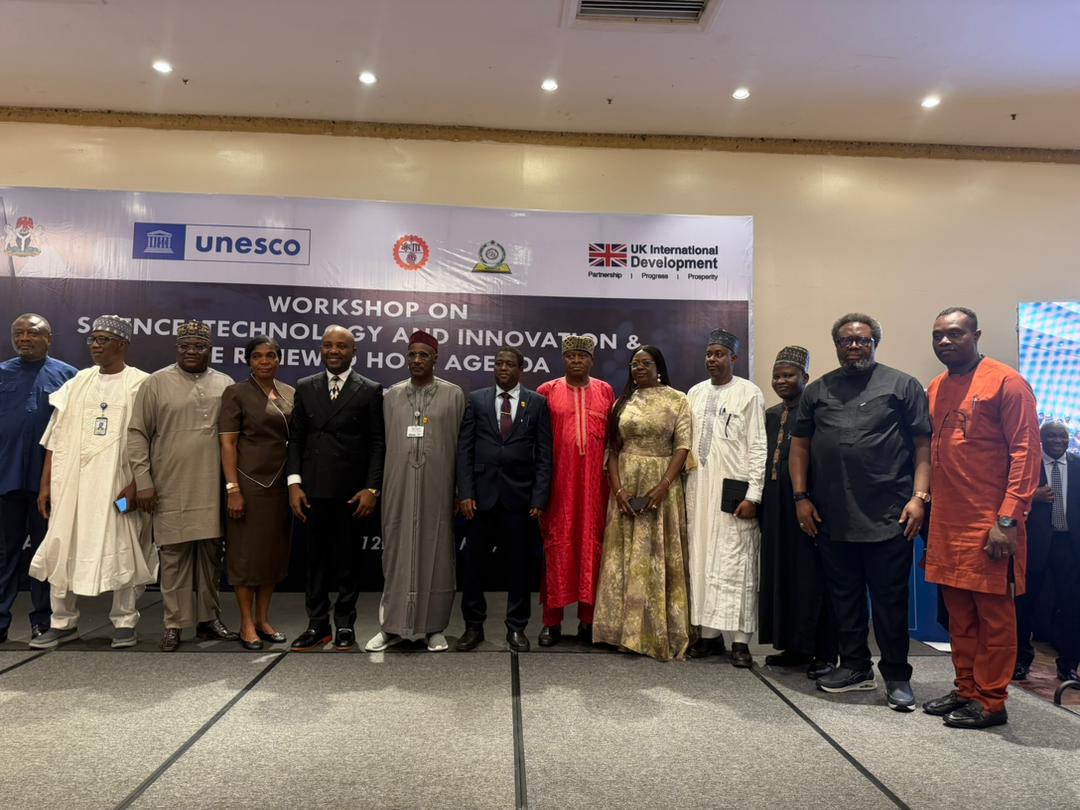
The Federal Government of Nigeria, through the Federal Ministry of Innovation, Science and Technology (FMIST), in collaboration with Sheda Science and Technology Complex (SHESTCO) and the United Nations Educational, Scientific and Cultural Organization (UNESCO), has mobilized stakeholders in a three-day workshop on Science, Technology and Innovation (STI) ecosystem reform.

The event was held from May 12 to 14, 2026, in the Abuja Continental Hotel, with the closing ceremony at Johnwood Hotel, Abuja, had the theme, ‘Strengthening Nigeria’s Science, Technology and Innovation Ecosystem for National Development under the Renewed Hope Agenda of President Bola Ahmed Tinubu, GCFR, which brought together policymakers, researchers, academia, industry leaders, innovators and other critical stakeholders to deliberate on ways to improve policy implementation, innovation financing, institutional coordination, Open Science, research commercialization, science diplomacy, technology transfer and evidence-based STI governance.
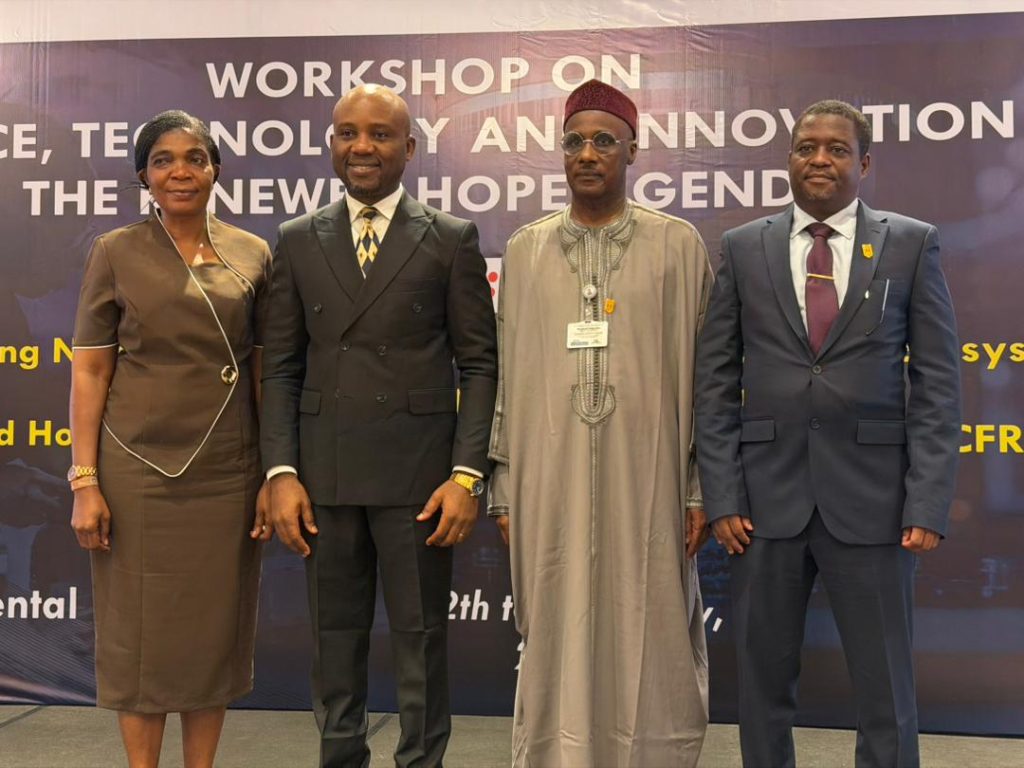
Speaking on behalf of Dr. Dimitri Sanga, Director of UNESCO West Africa and Officer-in-Charge of the UNESCO Abuja Office, Dr. Enang Moma, Head of the Science Sector at UNESCO Abuja Office, said the workshop underscored the growing importance of science and innovation in Nigeria’s development strategy. She described the gathering, held under the SANKORE Project, as a vital platform for advancing the role of STI in poverty reduction, economic transformation and sustainable development.
Dr. Moma said science, technology and innovation remain essential to achieving the 2030 Sustainable Development Goals and the African Union’s Agenda 2063. She stressed the need for stronger policy frameworks, more effective scientific systems and deeper collaboration among government, researchers, industry and civil society.
You Might AlsoLike



She also highlighted UNESCO’s ongoing support to Nigeria in strengthening its STI ecosystem, including assistance in the development of a national STI policy, roadmaps for industrialisation and job creation, and support for Nigeria’s first national report on the 2021 Recommendation on Open Science.
Earlier in his opening address, the Honourable Minister of Innovation, Science and Technology (FMIST), Dr. Kingsley Tochukwu Udeh (SAN), described the establishment of the National Research and Innovation Fund as a major milestone in Nigeria’s effort to build a stronger innovation ecosystem. According to him, the initiative reflects the Federal Government’s determination to turn research findings into practical solutions capable of driving industrial growth, economic diversification and national development.
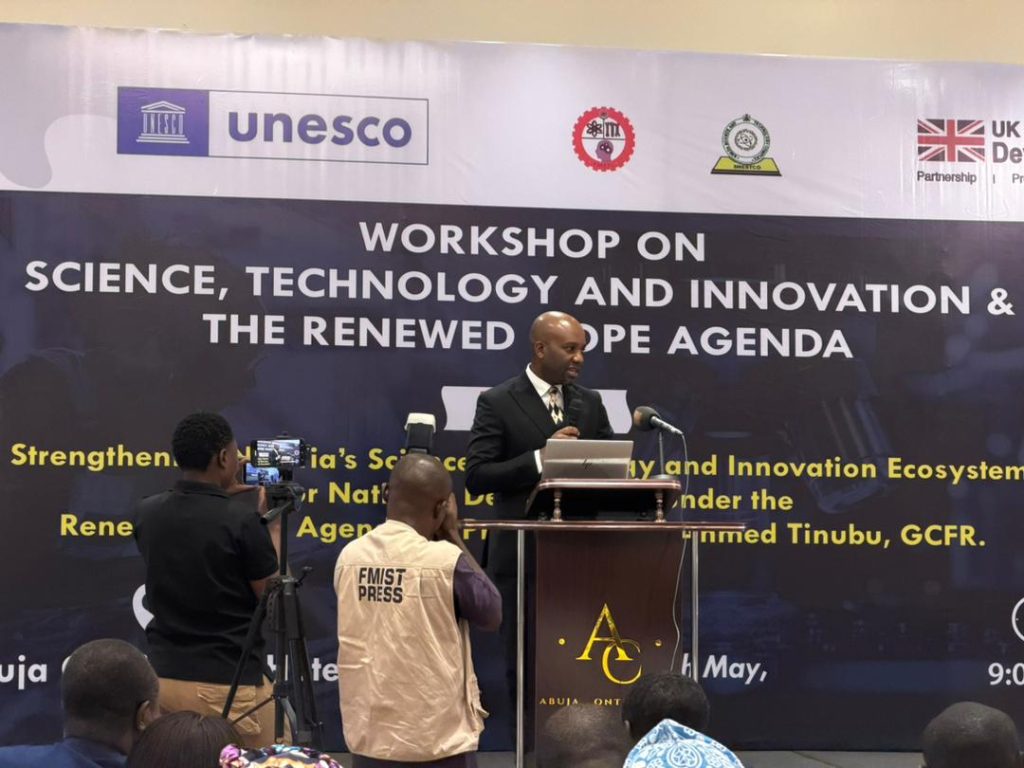
Udeh commended President Tinubu, the National Assembly and relevant stakeholders for supporting the initiative, noting that the fund would help bridge the gap between research institutions, industry and the market by promoting innovation, technology transfer and commercialization of research outcomes.

He further emphasized the critical role of emerging technologies such as artificial intelligence, digital systems and space technology in addressing pressing national challenges in healthcare, agriculture, security and sustainable development. He said Nigeria must move beyond academic research to producing marketable products, technologies and enterprises that can compete globally.
Also speaking, the Permanent Secretary of FMIST, Dr. Mukhtar Yawale Muhammed (MFR, mni), described the workshop as timely and crucial to Nigeria’s aspiration of building a resilient, knowledge-driven economy. He praised President Tinubu for approving 500 million dollars for the establishment of the National Research and Innovation Fund, calling it a landmark decision that places research, science, technology and innovation at the centre of national development and economic transformation.
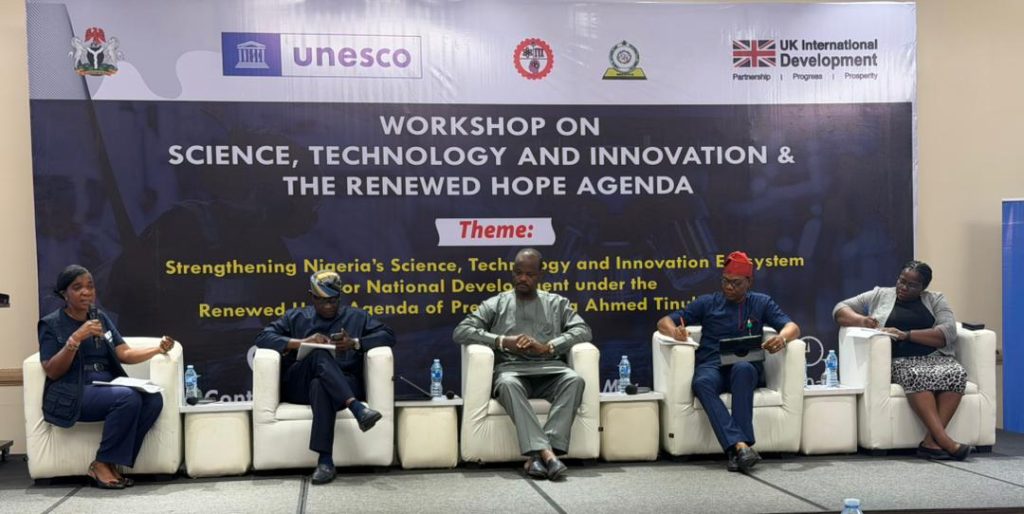
Dr. Muhammed said the initiative has the potential to position Nigeria as a leading knowledge economy in Africa and the Global South. He urged stakeholders to work together to build an efficient and sustainable National Research and Innovation Fund capable of unlocking the country’s scientific and technological potential.
Speaking at the event, the Director-General of SHESTCO, Hon. Engr. Dr. Magaji Da’u Aliyu (FNSE, mni), welcomed participants and stressed the need to strengthen Nigeria’s STI ecosystem through collaboration, strategic investment and effective policy implementation. He noted that despite existing policies and institutional frameworks, a key challenge remains the disconnect between research outputs and tangible socio-economic impact.
According to him, the workshop offered a strategic opportunity for stakeholders to identify systemic bottlenecks and chart practical solutions for repositioning the sector to better serve national development goals. He also emphasized the importance of operationalizing the National Research and Innovation Fund as a sustainable mechanism for supporting research and innovation in Nigeria.
Discussions during the workshop focused on key challenges facing Nigeria’s STI sector, including inadequate funding, weak coordination, poor infrastructure, low commercialization of research and limited collaboration among institutions. Participants developed practical strategies to improve STI governance, innovation commercialization, policy tracking and capacity building.
Another major area of focus was evidence-based STI policymaking through improved data systems and the UNESCO Global Observatory of Science, Technology and Innovation Policy Instruments (GO-SPIN). Dr. Moma emphasized the importance of national STI inventories, policy tracking and institutional benchmarking in improving Nigeria’s global visibility and policy coordination. The workshop also examined Open Science and the need to make scientific knowledge more accessible, inclusive and collaborative while maintaining ethical standards.
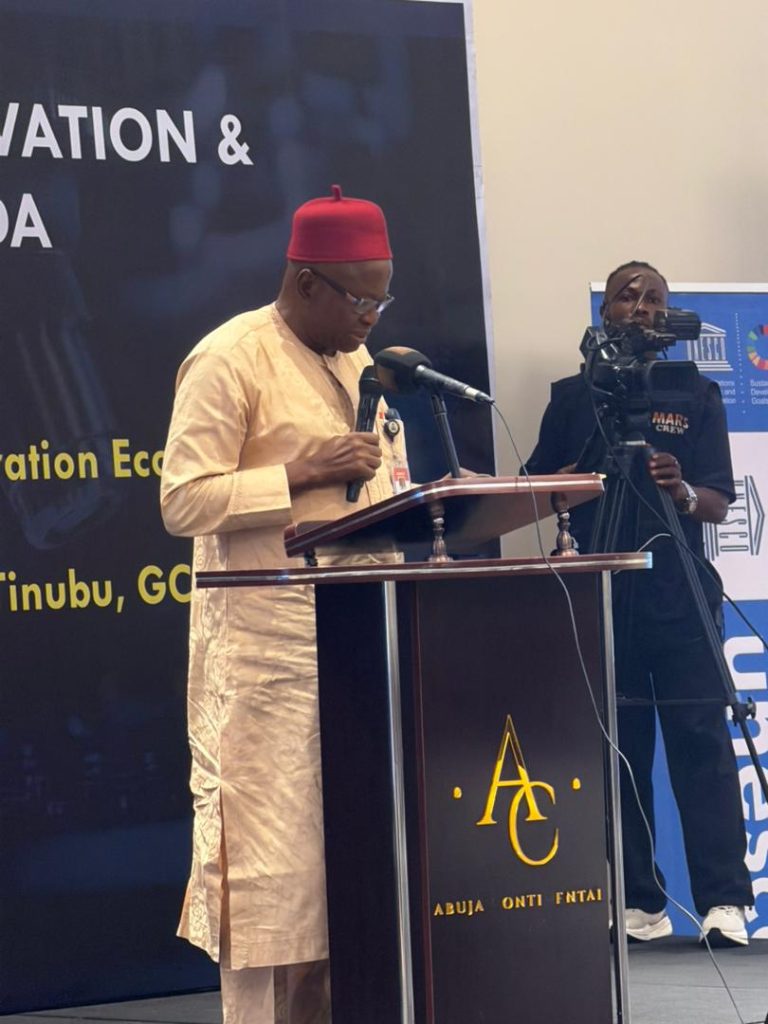
In her closing remarks, Dr. Moma thanked participants and stakeholders for their contributions to the successful conclusion of the workshop. She said representatives from the ministries and agencies present would be selected to harmonize the strategies and recommendations produced during the group sessions for onward submission to the Honourable Minister of Innovation, Science and Technology.
At the close of the workshop, stakeholders issued a communiqué calling for stronger implementation of the National Science, Technology and Innovation Policy 2022, increased investment in innovation financing, and greater private sector participation through public-private partnerships, venture capital support and technology incubation programmes.
The outcome of the workshop signals renewed momentum behind efforts to place science, technology and innovation at the heart of Nigeria’s development agenda, with stakeholders insisting that a functional and well-funded STI ecosystem will be critical to achieving sustainable growth, competitiveness and inclusive national progress.