By Dr. H. C. Chinwenyi and Adaora Adibe
The Raw Materials Research and Development Council (RMRDC) has strengthened its push for a comprehensive national database on raw materials and products through a strategic partnership with the National Space Research and Development Agency (NASRDA). The collaboration is set to accelerate the development and deployment of an integrated statistical information system covering all Harmonized System (HS Codes 01–97), aimed at capturing and streamlining critical data across Nigeria’s raw materials and products value chain.

This formed the focus of a high-level meeting between representatives of both agencies held on Monday, March 16, 2026, at the NASRDA Headquarters in Abuja. The partnership is aimed at enhancing the Nigeria Raw Materials and Products Statistical Information System (NRMPSIS) through the integration of geospatial intelligence and satellite data capabilities. Discussions centered on modalities for incorporating geospatial data into the platform to improve accuracy, efficiency, and accessibility.
Speaking at the meeting, the Director of Mission Planning and Satellite Data Management at NASRDA, Abayomi Tofik Alaga, welcomed the initiative and reaffirmed the agency’s readiness to collaborate. He noted that NASRDA’s expertise in satellite data acquisition and geospatial analysis would support efforts to map the locations of raw materials across the country.
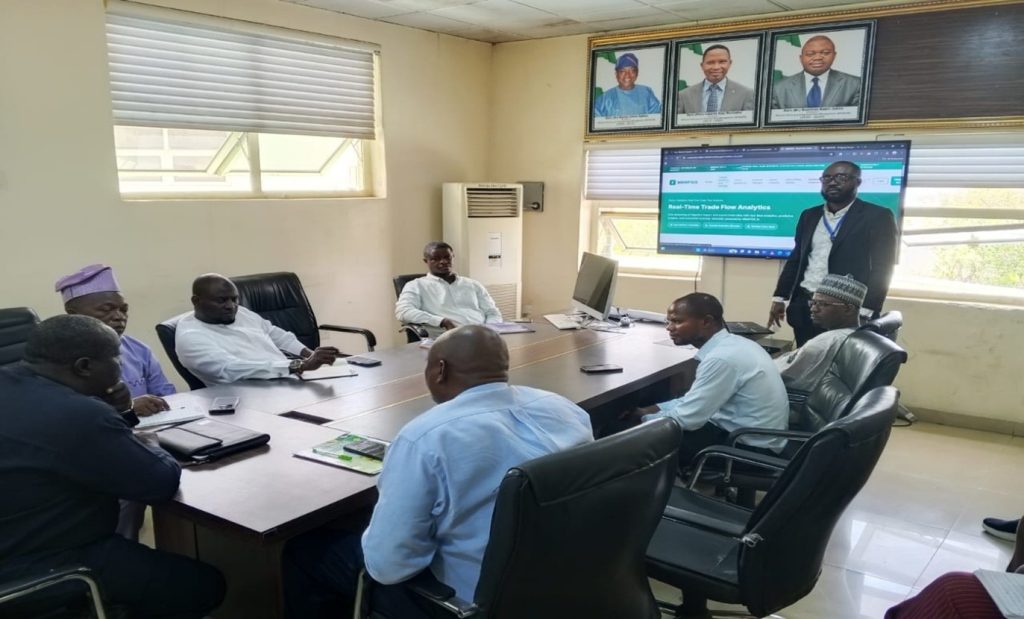
Earlier, the Deputy Director of Statistics and Data Analysis at RMRDC, H. C. Chinwenyi, presented an overview of the NRMPSIS platform, describing it as a centralized repository providing real-time data on production, trade flows, value chains, and market trends.
You Might AlsoLike




According to him, the system leverages emerging technologies such as artificial intelligence, machine learning, and predictive analytics to deliver insights for policymakers, investors, and industry stakeholders.
A live demonstration of the platform by the Council’s lead consultant, Olanite Abidemi Adeshina, highlighted key features including multi-system data integration, trade flow analytics, and geospatial mapping functions capable of identifying the geographic coordinates of raw materials nationwide.
Participants at the meeting emphasized the critical role of geospatial data in strengthening the platform. NASRDA representatives noted that the agency has the technical capacity to provide base maps, visualization tools, and geographic data integration support.
Key technical issues discussed included application programming interface (API)-based data exchange, system interoperability, data governance, and cost-effective hosting solutions. NASRDA also recommended the adoption of in-country hosting infrastructure to ensure compliance with national data sovereignty requirements and reduce operational costs.

Both agencies identified several areas for collaboration, including technical partnerships, advisory services, and consultancy support. NASRDA further proposed engagement through its commercial arm, Space Enterprise, to facilitate seamless integration and implementation.
The meeting highlighted the strategic importance of inter-agency collaboration in addressing challenges related to data availability, standardization, and geospatial infrastructure in Nigeria. Participants agreed that a coordinated approach is essential for building a reliable national data ecosystem.
Both organizations expressed optimism about the partnership and pledged to continue consultations to define clear modalities for implementation.