
By Festus Obot, Adaora Adibe and Abdullahi Madugu
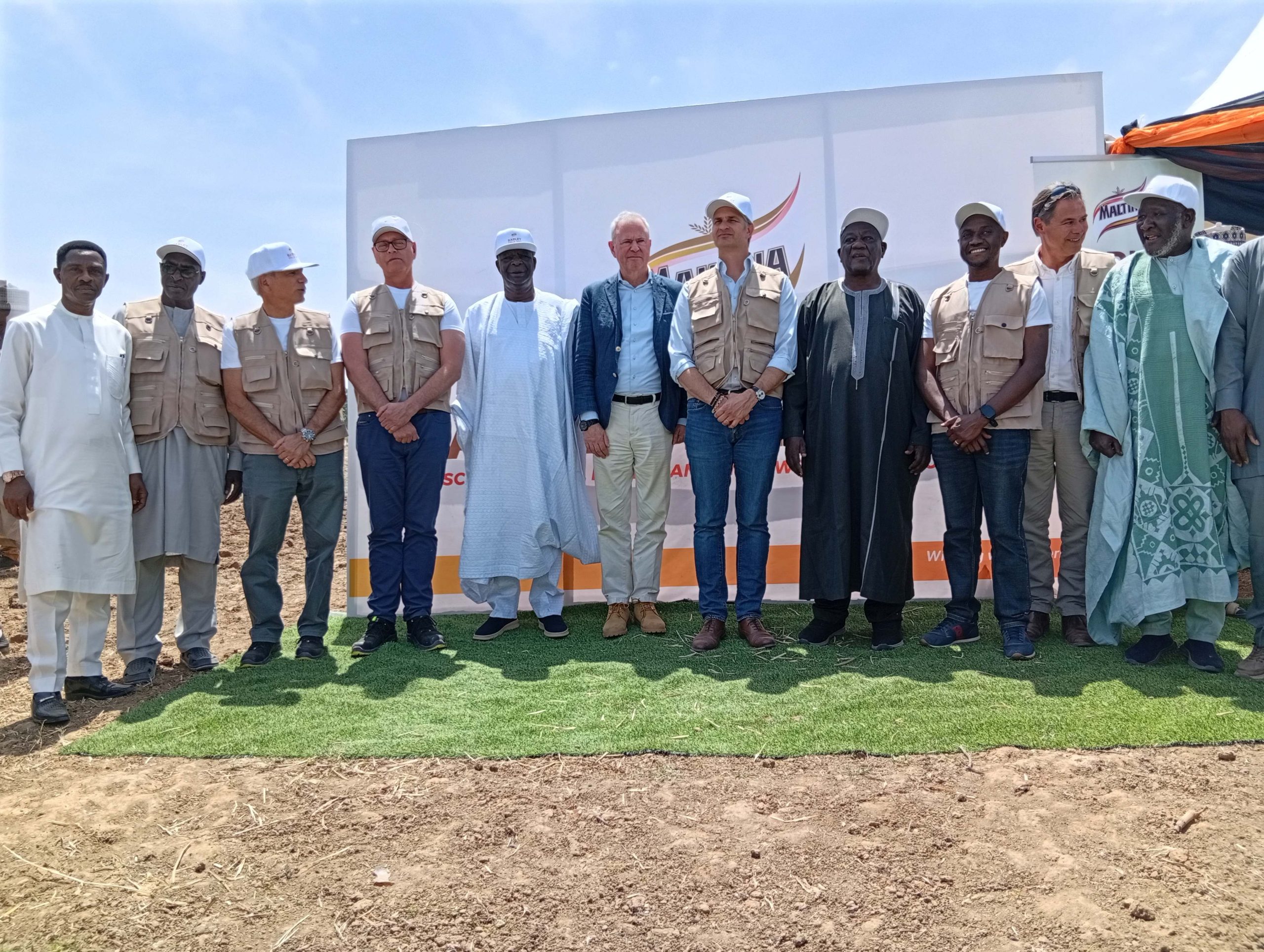
The Raw Materials Research and Development Council (RMRDC) has reaffirmed its commitment to strengthening Nigeria’s backward integration policy through enhanced local raw material development, as it joined Nigerian Breweries Plc at the Maltina Barley Field Day held in Ringim, Jigawa State.
The event, which took place on Friday, March 6, 2026, was organised by Nigerian Breweries Plc in collaboration with the Lake Chad Research Institute (LCRI) to showcase the progress of its Maltina Barley Programme and promote the development of a sustainable barley value chain in Nigeria.
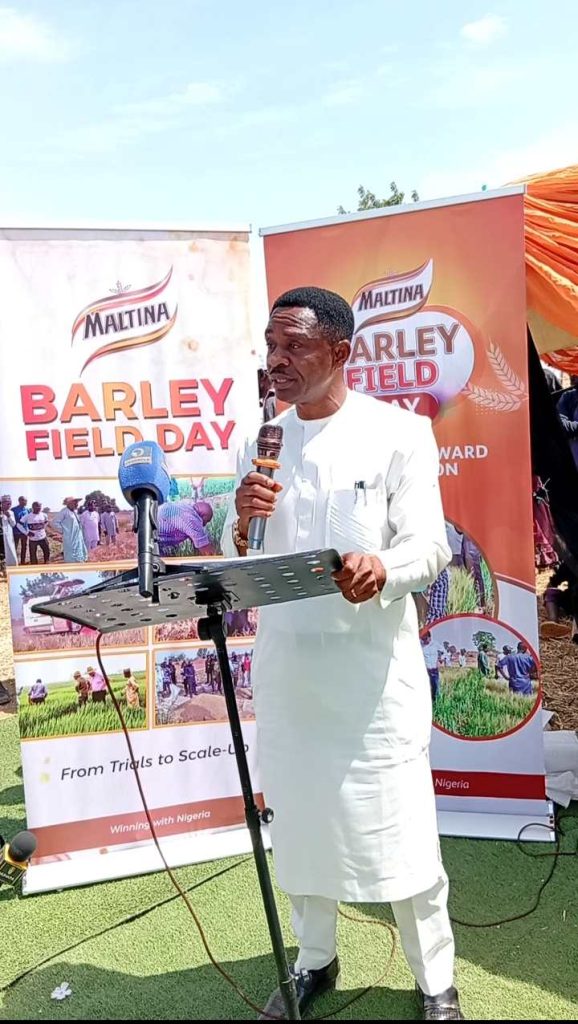
In his welcome address, the Managing Director/CEO of Nigerian Breweries Plc, Mr. Thibaut Boidin, said the company’s ambition is to develop a barley value chain firmly rooted in Nigeria.
“Our ambition is clear, to develop a barley value chain that is rooted in Nigerian soil, powered by Nigerian farmers, and capable of meeting the quality standards required by industry,” Boidin said.
He explained that the programme is a strategic long-term initiative aimed at demonstrating the viability of local barley production in Nigeria.
According to him, the project seeks to reduce import dependence, strengthen raw material self-sufficiency, improve farmers’ incomes, and support national priorities in food security, irrigation-led agriculture and local value creation.
Boidin noted that Jigawa State has shown promising potential for barley cultivation, with encouraging results also recorded in Bauchi, Plateau, Kano and Yobe states.
He emphasised that the Maltina Barley Project is a long-term commitment that requires sustained collaboration among stakeholders.
“The Maltina Barley project is a long-term commitment. It is a marathon, not a sprint. For this reason, sustained government partnership will be critical, particularly in the areas of irrigation, infrastructure, mechanisation, access to quality inputs and extension support. Equally important is a stable and predictable policy environment that allows this young value chain to mature responsibly,” he said.
Boidin therefore called on government agencies, development partners, research institutions and the private sector to continue working together to build a commercially viable barley industry capable of uplifting rural communities, creating jobs and strengthening Nigeria’s agricultural self-sufficiency.
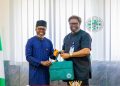
Delivering a goodwill message on behalf of the Director-General/CEO, RMRDC, Prof. Nnanyelugo Ike-Muonso, the Director of the Agriculture and Agro-Allied Raw Materials Department, Dr. Sab Ebiriekwe, highlighted the Council’s longstanding collaboration with Nigerian Breweries in promoting local raw material development.
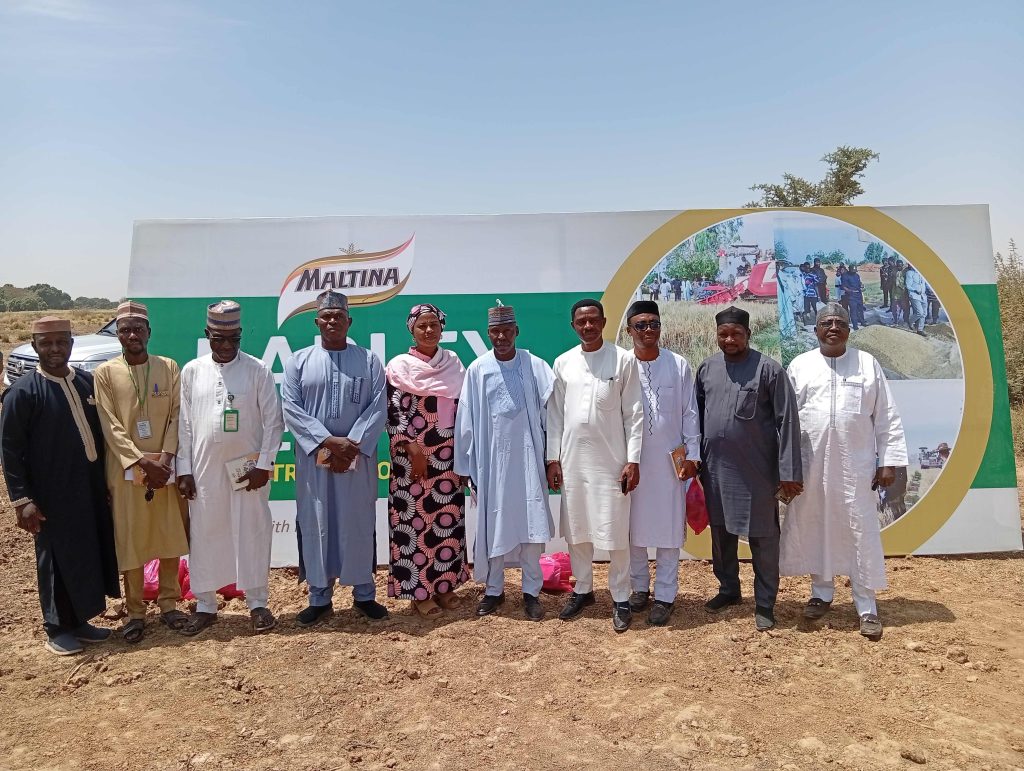
He noted that RMRDC’s partnership with the brewing company in establishing the Sorghum Malting Plant in Agege, Lagos, remains a landmark intervention in Nigeria’s brewing sector.
Dr. Ebiriekwe stated that RMRDC is well positioned to support the development of a sustainable barley value chain through research collaboration, policy advocacy and farmer mobilisation.
“The Council can support the boosting and dissemination of improved malting-grade barley varieties through research partnerships and seed systems; undertake strategic advocacy to encourage wider farmer participation and supportive policy frameworks for barley cultivation; facilitate farmer clustering and organised out-grower networks that ensure economies of scale and consistent industrial supply; and promote the establishment of common processing facilities and agro-industrial hubs for aggregation, cleaning, grading and primary processing,” he said.
He further noted that the Federal Government recently approved tax incentives for manufacturers that utilise local raw materials, including provisions that allow reductions in corporate tax liabilities for companies that deepen the use of domestic inputs. The implementation framework for the initiative has been entrusted to RMRDC.
According to him, the policy provides a strong incentive for industries such as the Maltina production chain to increase the use of locally produced barley while strengthening backward integration with Nigerian farmers and reducing reliance on imported malt.

Dr. Ebiriekwe reaffirmed the Council’s readiness to collaborate with Nigerian Breweries and other stakeholders in advancing improved barley varieties, strengthening farmer clusters, promoting agro-industrial hubs and facilitating research–industry linkages needed to build a resilient and commercially viable barley value chain.
Earlier in his project overview, the Supply Chain Director of Nigerian Breweries Plc, Mr. Federico Agressi, said the Maltina Barley Programme integrates research, farmer support and industry collaboration to establish a sustainable local barley supply chain.
He disclosed that Nigeria currently imports about 200,000 tonnes of malted barley annually, valued at approximately $150 million, to meet industry demand.
“The Maltina Barley Programme, launched in 2019, aims to address this gap by supporting local farmers and laying the foundation for commercial-scale barley production in Nigeria,” Agressi said.
Participants at the event were also taken on a guided tour of the barley demonstration fields, where they observed the crop performance and received practical demonstrations of the harvesting process and post-harvest handling techniques designed to ensure quality malting-grade barley.
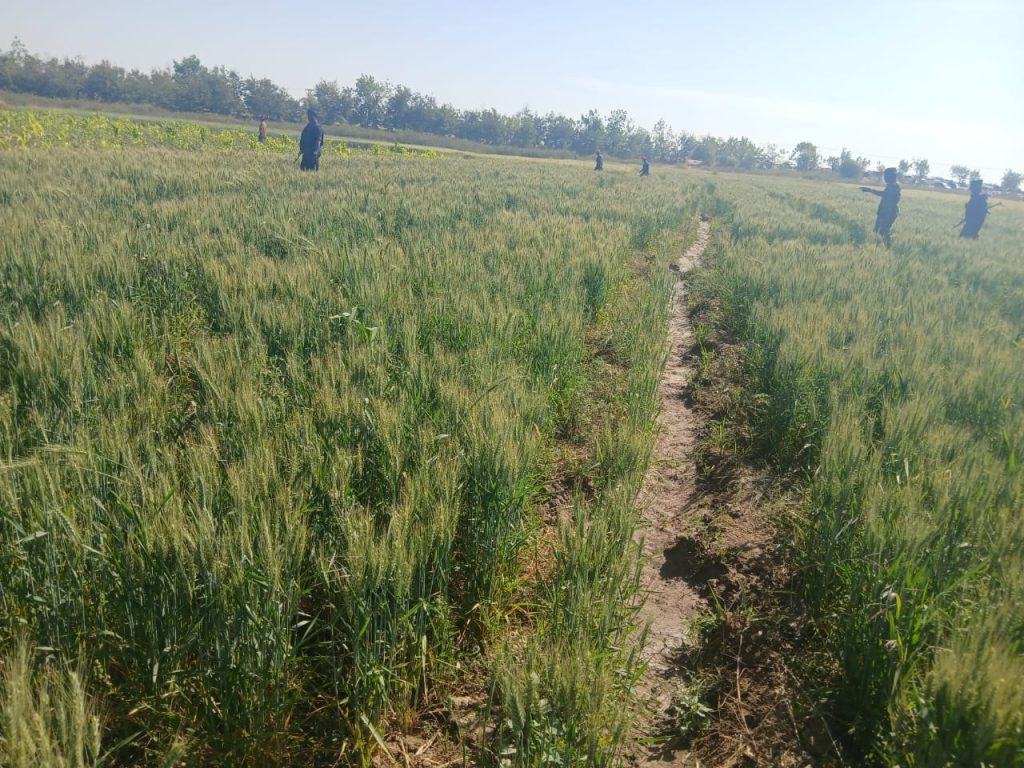
It also provided stakeholders with the opportunity to assess field performance, exchange technical insights and strengthen partnerships aimed at accelerating the development of a domestic barley industry in Nigeria.
The occasion also featured cultural dance performances by local troupes, who entertained guests with vibrant traditional dance sessions that reflected the rich cultural heritage of the host community.
The event attracted a wide range of stakeholders including farmers, policymakers, representatives of government institutions, research organisations, development partners and traditional rulers, all of whom commended the initiative as a significant step toward strengthening Nigeria’s local raw materials base and deepening agricultural–industrial linkages. Also in attendance were the RMRDC State Coordinators for Jigawa and Kano States, Mr. Abdullamid and Engr. Almustapha, alongside other staff members of the Council.
You Might AlsoLike