By Temidayo Igwebuike
The Director General of the Raw Materials Research and Development Council (RMRDC), Professor Nnanyelugo Ike-Muonso, has called for renewed commitment to import substitution and value addition as critical drivers of Nigeria’s industrial growth and economic resilience.

Professor Ike-Muonso made the call during a strategic leadership workshop organized by the Council’s Training School for senior management staff at the RMRDC boardroom. The workshop, themed Fiscal Policy, Trade Protection and Value Addition, was designed to deepen participants’ understanding of the policy environment and reposition the Council to deliver more effectively on its mandate.
In his opening remarks, the DG explained that RMRDC was established in response to the global economic downturn of the 1980s, which significantly weakened Nigeria’s foreign exchange earnings and industrial output. According to him, the Federal Government set up the Council primarily to drive the import substitution of raw materials and promote increased utilization of locally sourced inputs by the nation’s industrial sector.

He stressed that import substitution remains the core mandate and “soul” of the Council, urging senior management staff to re-examine its statutory responsibilities and reassess operations in line with the establishing Act. He emphasized the need to reposition the Council for greater impact by aligning its strategies with current national economic priorities.
You Might AlsoLike




Professor Ike-Muonso noted that the workshop provided an opportunity to revisit the Council’s founding vision, clarify its purpose, and recalibrate its operations to support ongoing fiscal reforms and trade protection measures. He encouraged participants to see themselves as key drivers in building a more focused, responsive, and impactful institution.
The workshop featured modules on government fiscal policy measures relating to raw materials and product development, regional and global trade frameworks and their implications for Nigeria, and the proposed 30 percent Value Addition Bill. Sessions also addressed implementation strategies, stakeholder engagement, and policy advocacy techniques aimed at fostering collaboration, reducing policy friction, and strengthening alignment with national trade and industrial policies.
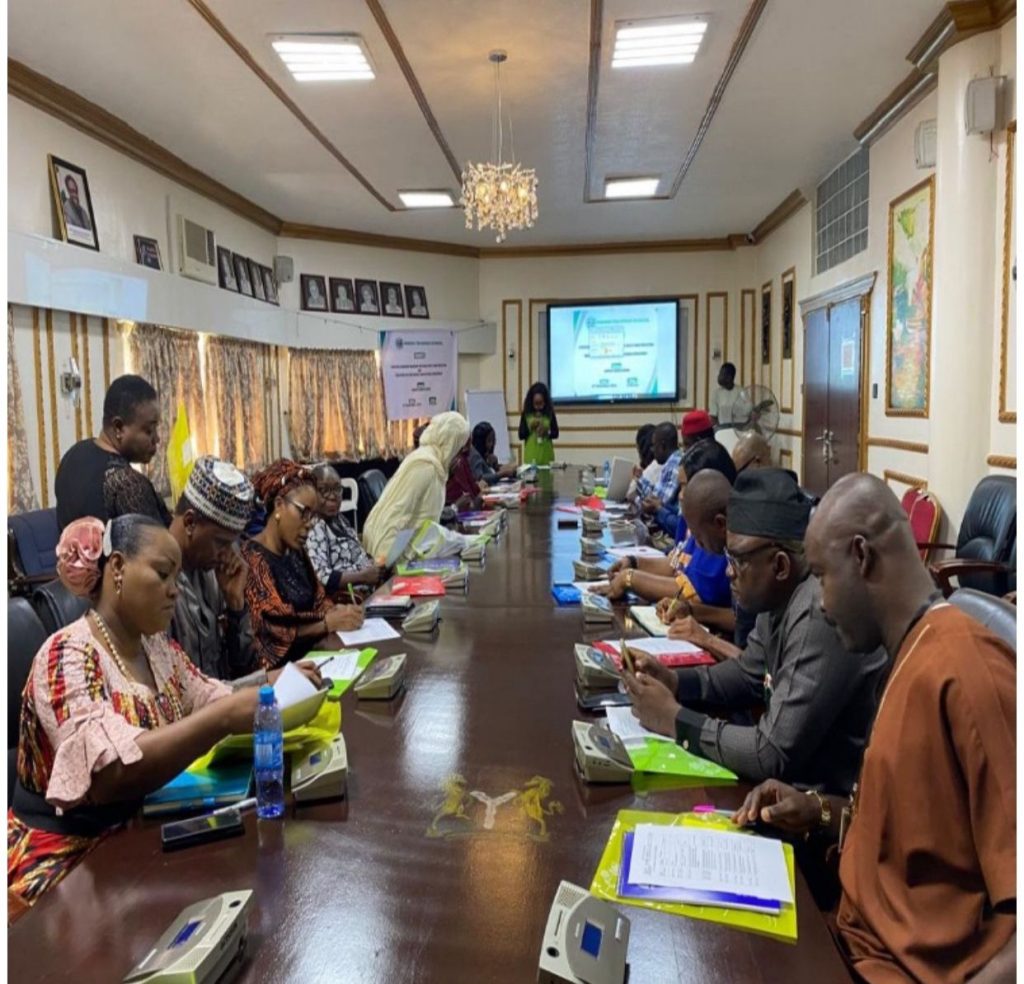
Participants described the training as insightful and engaging, recommending that similar programmes be extended to staff in lower cadres to enhance overall institutional effectiveness.

In her closing remarks, the Dean of the RMRDC Training School, Dr. I.C. Olife, expressed appreciation to the resource persons—Sir Henry Eteama, Mr. A.S. Kollere, Mr. Olutayo Fasipe, and Dr. Ajokufor—for their insightful presentations, as well as to participants for their active involvement.
She urged staff to revisit the presentation materials for deeper understanding, noting that the slides contain valuable insights beyond the discussions held during the sessions. Dr. Olife reaffirmed that every staff member has a role to play in advancing value addition and strengthening Nigeria’s raw materials development framework in line with national fiscal policies.