By Adaora Adibe and Hembadoon Ode
The Director-General of the Raw Materials Research and Development Council (RMRDC), Professor Nnanyelugo Ike-Muonso, has reaffirmed the Council’s commitment to ensuring that all raw materials in Nigeria undergo value addition before export as part of efforts to strengthen the nation’s economy.

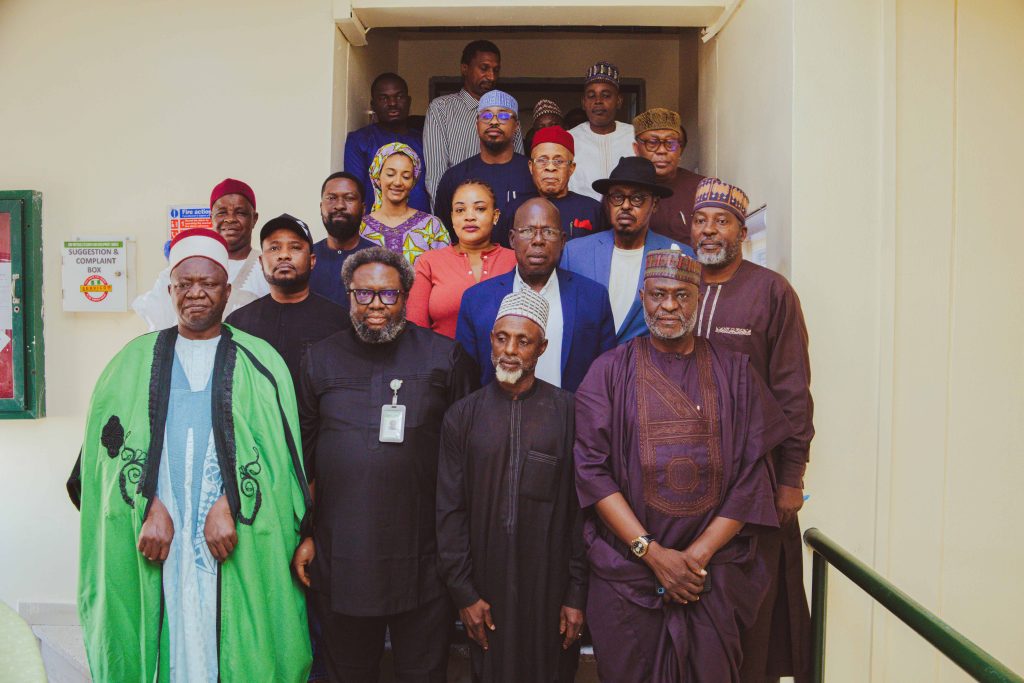
Professor Ike-Muonso made this known during a one-day stakeholders’ engagement on Barite development and utilisation held at the Council’s boardroom in Abuja. The event, themed “Unlocking Nigeria’s Barite Value Chain: Pathway to Sustainable Investment and Industrial Growth,” brought together stakeholders from key sectors, including mining, finance, and local content development.
In his address, the DG emphasised that the Council’s drive for value addition is central to rescuing Nigeria’s economy from overdependence on unprocessed exports. He highlighted the ongoing RMRDC Value Addition Bill, currently awaiting presidential assent, as a potential game-changer for the nation’s industrial landscape.
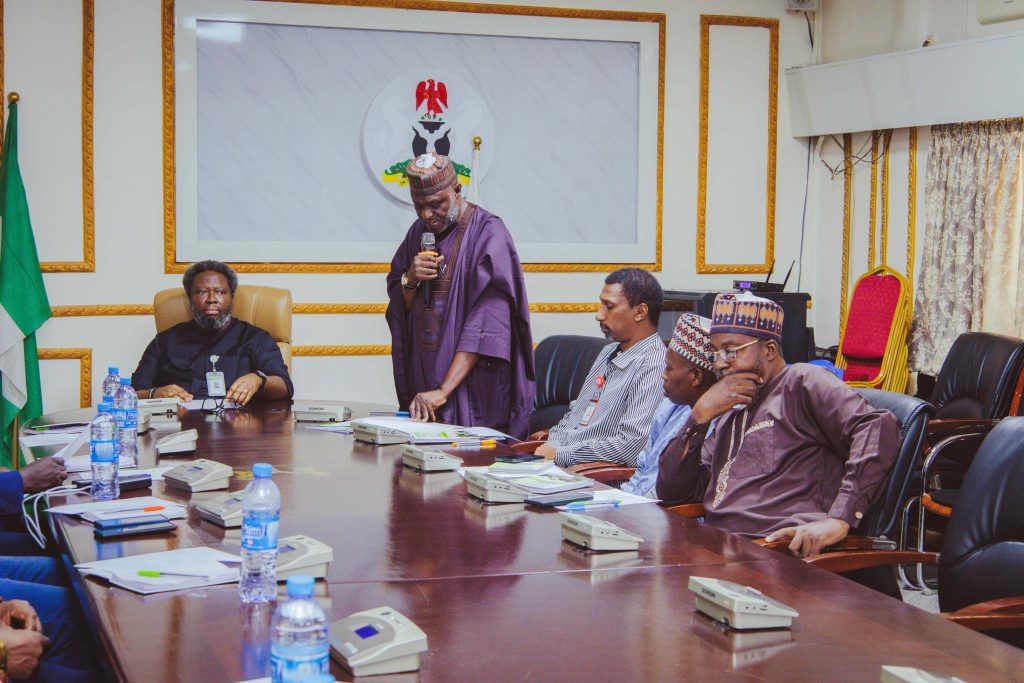
“The proposed law will mandate all operators to add value to raw materials before export. This is the only way to ensure that our natural resources truly serve the growth of our economy,” Professor Ike-Muonso stated.
You Might AlsoLike


He noted that Nigeria possesses the mineral in abundance, yet much of it is still being extracted and exported by foreign interests without proper accounting or beneficiation. He added that engagements such as this provide a vital platform for stakeholders to deliberate and develop actionable strategies for sustainable investment and industrial growth within the Barite value chain.
“When we export unprocessed materials, we export jobs, technology, and potential revenue. The value-addition policy ensures that our resources translate into industrial linkages that drive prosperity,” he asserted.
He added that full substitution of barite imports with locally processed products could save Nigeria up to US$300 million annually, underscoring the economic importance of domestic beneficiation and industrial integration.

The DG encouraged participants to utilise the forum to propose practical solutions that would promote local processing, generate employment opportunities, and enhance industrial productivity.
Presenting the welcome address, the Director, Investment Promotion and Consultancy Services Department (IPCSD), Mr Mohammed Yaro, welcomed everyone to the event. He emphasised the importance of the stakeholders’ engagement in unlocking the numerous economic values of Barite. He said the forum is geared towards providing a platform for dialogue on the opportunities, challenges and investment prospects in the barite value chain, noting that Barite serves as a critical raw material for industry and is largely deposited in Nigeria.
“Nigeria Barite is estimated at over 21million per metric tonne spread across states such as Benue, Nasarawa, Plateau, Taraba, Cross River, Ebonyi, yet despite this abundance, the nation continues to rely heavily on imports. This reality challenges us to rethink our strategy for domestic mitigation, beneficiation, and industrial integration,” he stated
He observed that Barite (barium sulphate) is a key raw material for several industries. Over 90 per cent of global production is used as a weighting agent in drilling muds for oil and gas operations. It is also utilised in paints, plastics, rubber, radiation shielding, and glass manufacturing.
Presenting his goodwill message, AMAPOB President, Chief Stephen Alao, emphasised the association’s continuous efforts to build local production capacity, citing previous collaborations with Chevron Nigeria Limited and the Nigerian Content Development and Monitoring Board (NCDMB) under the Barite Capacity Development Initiative (BCDI), which supported mechanised mining and established a beneficiation laboratory in Gboko, Benue State.
“We have demonstrated the capacity to mine, process, and supply barite that meets international standards. What we now need is stronger policy enforcement, better access to finance, and a functional market platform,” Chief Alao stated. Many other goodwill messages came through, including the Emir of Azara in Nasarawa State, Dr Kabiru Musa, the Nigerian Content Development and Monitoring Board (NCDMB), among others.
The event also featured technical sessions, where participants discussed critical issues affecting the Barite sector. Stakeholders unanimously called for increased government intervention in areas such as miners’ security, discouragement of illegal mining, and improvement of local beneficiation infrastructure.
They also emphasised the need for enhanced collaboration between government agencies, private investors, and research institutions to unlock the full potential of Nigeria’s Barite industry.
The engagement ended with a collective resolution to pursue sustainable strategies that will drive industrial growth and support the Federal Government’s agenda on economic diversification.