By Andrew Tyoh
The Raw Materials Research and Development Council (RMRDC), Bauchi State Coordinating Office recently toured Alu Plastic, a key player in the domestic and industrial plastic market, to promote industrial development through use of local raw materials for production. They were received by the company’s manager, Mr. Adams Isa Ahmed.

The visit, led by Scientific Officer, Mrs. Rukayya A. Kollere, was aimed at fostering local raw material manufacturing processes and promoting value addition, particularly for products such as polythene bags and rain sheets, which serve as essential raw materials in various production chains. Mrs. Kollere emphasized that the engagement was part of RMRDC’s broader mandate to deepen collaboration with local industries and enhance their capacity to utilize indigenous raw materials efficiently.
“We want to understand firsthand how companies like Alu Plastic transform raw materials into everyday necessities,” she stated. “This kind of industrial synergy is crucial to building Nigeria’s economy, reducing import dependence, and encouraging innovation in the local manufacturing sector.”
She added that such visits help the Council identify challenges facing local manufacturers and provide data-driven support for policy interventions, technical assistance, and research-backed solutions that can drive industrial growth.
You Might AlsoLike




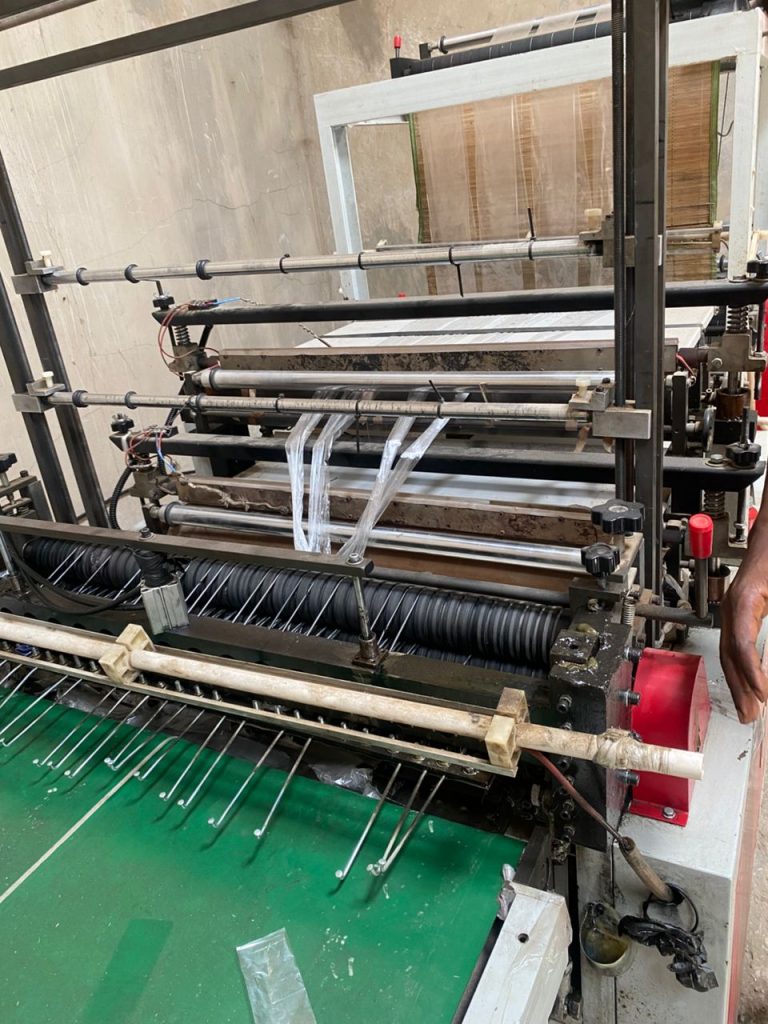
The Company’s manager, Mr. Adam Isa Ahmad who explained the process of Alu Plastic’s production with polyethylene granules, both low and high density, said they are turned into an extrusion machine where they melt at high temperatures before being formed into a continuous film. This film is then cooled, flattened, and precisely cut into various bag sizes. He said the rain sheets utilizes recycled pure water sachets, showcasing an innovative approach to waste utilization.
He informed that Alu Plastic continues to grapple with a range of operational challenges that threaten both efficiency and profitability. Among these is the unstable power supply, which disrupts production schedules and forces the company to rely heavily on alternative power sources, significantly increasing operating costs.
Another pressing concern is the capital-intensive nature of importing machinery and raw materials, which places a considerable burden on the company’s financial resources. “The cost of bringing in equipment and our primary raw material from outside the country is a major drain on our resources,” he shared, highlighting the financial strain the company faces in maintaining production capacity.

In addition to these, he stated that the volatile foreign exchange market has compounded the challenge, making it difficult for manufacturers to plan and budget effectively. The fluctuation in exchange rates often leads to delays in procurement and escalates the cost of imports, thereby affecting overall productivity.
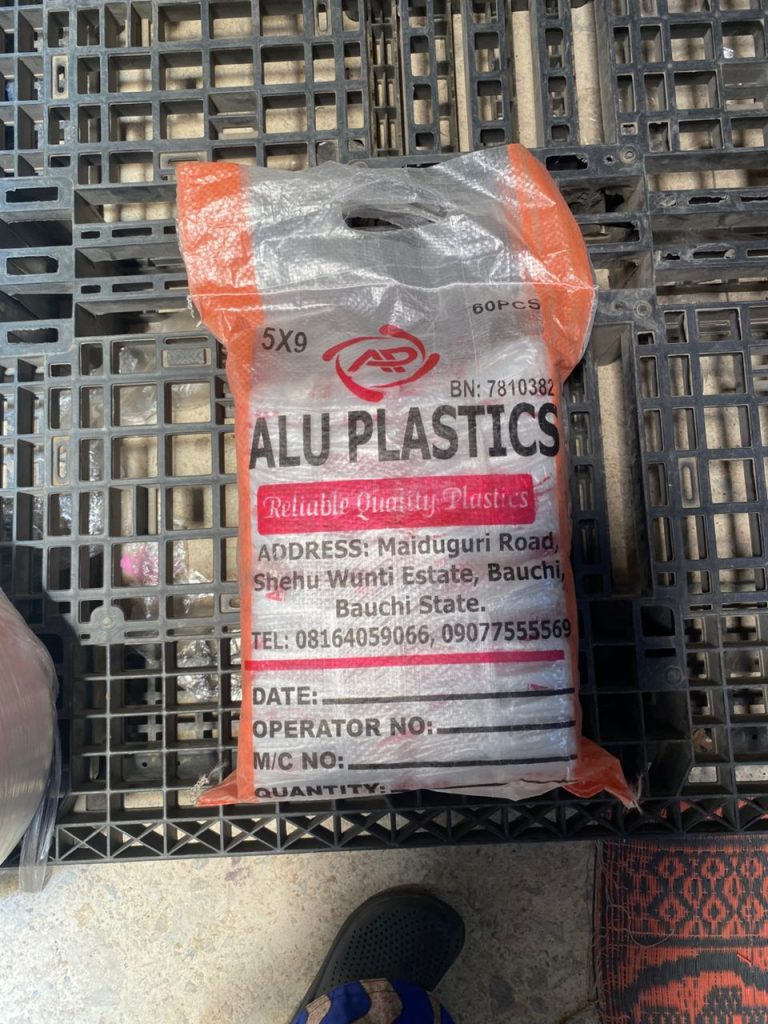
Mr. Adams further noted that infrastructure deficits, such as poor road networks and inadequate logistics support, also contribute to increased delivery times and supply chain inefficiencies.
He noted that despite these challenges, the company remains committed to local production and welcomes government and institutional support, especially in the form of favourable policies, access to affordable financing, and investment in local raw material development. Such interventions, they believe, would go a long way in reducing dependence on imports and strengthening the resilience of Nigeria’s manufacturing sector.
Mrs. Kollere commended the Alu for all their efforts in local raw material utilization and said RMRDC is ready to partner where necessary to ensure the growth of local industry in the Country.