
By Oluwaseyi Otitoju
In a world where industrialization hinges increasingly on the efficient utilization of natural resources, Nigeria stands at a unique crossroad. Beneath the sands of its arid regions lies a largely untapped mineral with immense potential—trona. Known chemically as sodium sesquicarbonate, trona is a crucial raw material in the production of soda ash, a compound integral to various industrial applications. As the country continues its quest to diversify its economy and reduce dependency on oil, developing the trona value chain could be a game-changer. At the heart of this transformative possibility stands the Raw Materials Research and Development Council (RMRDC)—Nigeria’s lead agency for industrial raw materials development.

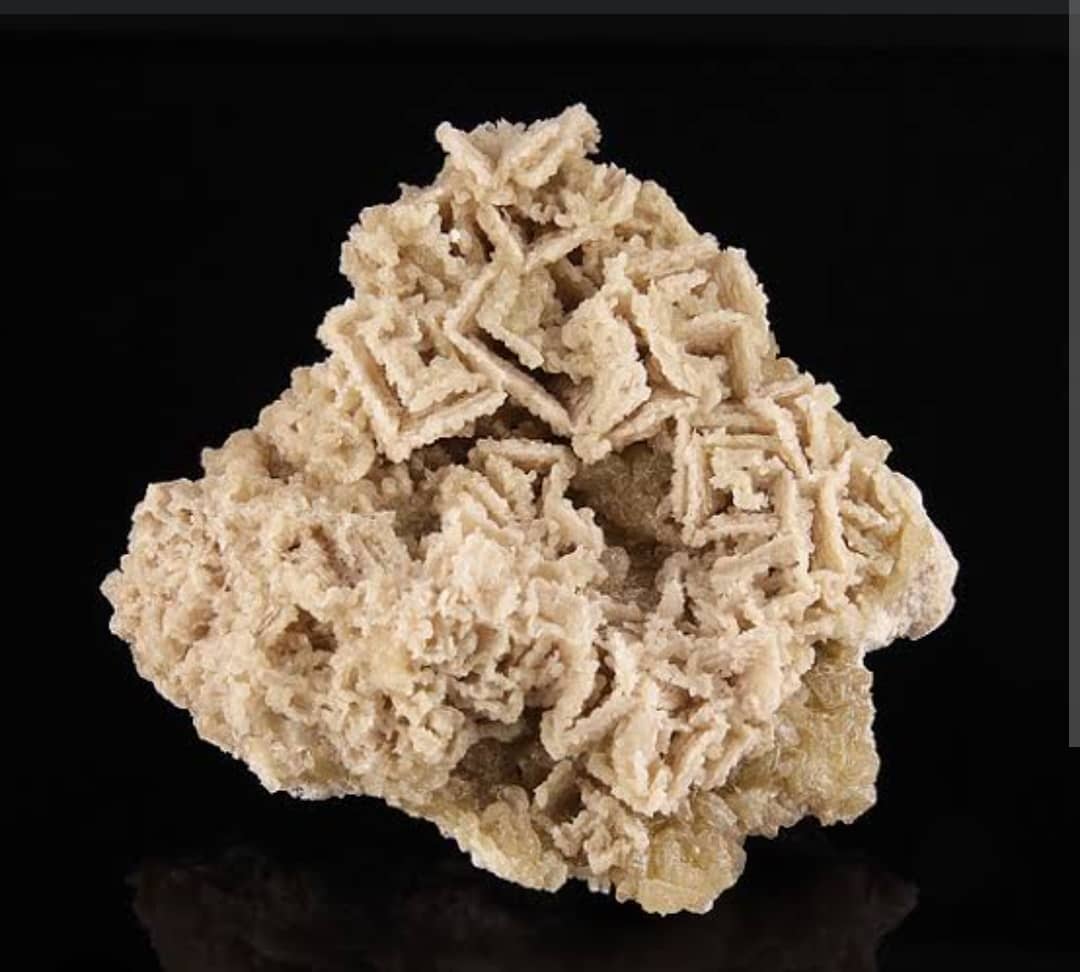
What is Trona?
Trona is a naturally occurring mineral that serves as the primary source of soda ash (sodium carbonate), which is vital in the manufacturing of glass, detergents, chemicals, water treatment products, and even in food processing. Large deposits of trona exist in states like Borno and Yobe, yet Nigeria still relies heavily on imports to meet local demand for soda ash—an ironic reality in the face of domestic abundance.
The Opportunity Landscape
You Might AlsoLike




The trona value chain, if effectively developed, presents a range of opportunities:
1. Industrial Development: With soda ash being a major input in glassmaking, textiles, soap, and paper industries, processing trona locally will stimulate the growth of these sectors.
2. Import Substitution: Developing local soda ash production can save Nigeria billions in foreign exchange currently spent on imports, boosting the national economy.

3. Employment Creation: A fully developed trona value chain—from mining and processing to manufacturing—can generate thousands of jobs, particularly in rural and underdeveloped regions.
4. Technological Advancement: Investing in trona beneficiation will spur innovation, research, and the adoption of modern technologies.
5. Revenue Generation: With Nigeria’s strategic location, there is potential for regional export of processed soda ash to neighbouring African countries.
RMRDC: Catalyzing Development
The Raw Materials Research and Development Council (RMRDC) plays a pivotal role in translating the potential of trona into tangible industrial gains. As the nation’s central body for promoting the development and optimal use of local raw materials, the RMRDC has initiated several strategic actions:
Research and Mapping: RMRDC has commissioned studies to identify, quantify, and evaluate trona deposits across the country to establish reliable data for investors and policymakers.
Policy Advocacy: The Council continues to engage with stakeholders in government and the private sector to advocate for investment-friendly policies aimed at developing the trona value chain.
Technology Incubation: In collaboration with academic institutions and research centers, RMRDC is driving innovations for efficient trona beneficiation and soda ash production, while encouraging the use of environmentally friendly technologies.
Investment Promotion: Through trade shows, stakeholder forums, and industry briefings, RMRDC has consistently showcased trona as a viable industrial mineral ripe for investment.
Capacity Building: The Council organizes training and capacity-building programs to equip local miners and processors with knowledge and best practices in trona exploitation and beneficiation.
Challenges and the Way Forward
Despite its immense potential, developing the trona value chain is not without challenges. Infrastructural limitations, inadequate funding, low investor awareness, and weak regulatory enforcement often stifle progress. However, with coordinated efforts, these obstacles can be surmounted.
What is required is a multi-sectoral approach—government policy support, private sector investment, community engagement, and continued technical leadership from RMRDC. Public-private partnerships and incentives such as tax holidays or grants could also stimulate interest and fast-track development.
Conclusion
The trona value chain holds the promise of revitalizing Nigeria’s industrial sector, boosting job creation, and enhancing self-sufficiency in key manufacturing areas. The RMRDC, with its commitment to harnessing Nigeria’s raw materials for sustainable development, is well positioned to lead this charge. Now is the time to move from potential to productivity—trona may just be the silent giant Nigeria needs to awaken.