
By: Kelechi Obassi
The African Raw Materials Summit (ARMS 2025) concluded its three-day event in Abuja yesterday, with a strong call for value addition, regional integration, and sustainable industrial development across the continent.

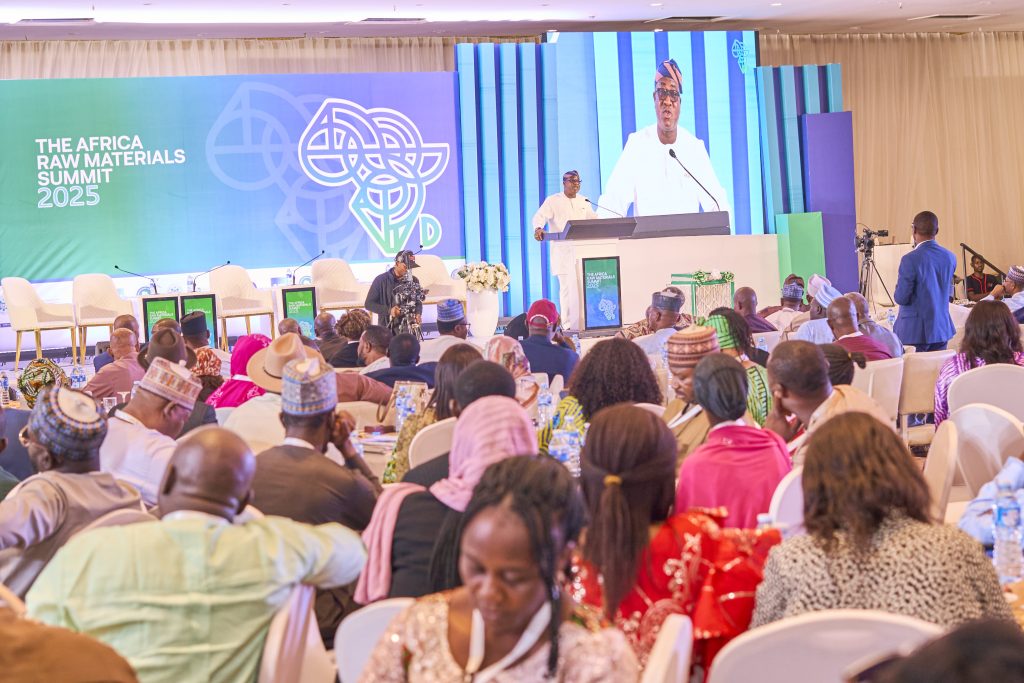
Held at the Abuja Continental Hotel from May 20–22, the summit brought together government officials, industry experts, academics, and civil society representatives from across Africa. The event focused on reshaping the continent’s resource strategy under the theme: “Shaping the Future of African Resource Landscape for Industrial and Socio-Economic Development.”
In his opening remarks, Director General of the Raw Materials Research and Development Council (RMRDC), Prof. Nnayelugo Ike-muonso, described the summit as a turning point for Africa’s industrial future. He urged African nations to move beyond exporting raw materials and instead focus on refining them locally, transforming “raw wealth into real wealth.”
“Africa must no longer be a warehouse of potential,” he said. “It must become a workshop of prosperity, powered by its own resources and innovation.”
You Might AlsoLike




Citing African leaders such as Nigeria’s President Bola Ahmed Tinubu, South Africa’s former President Thabo Mbeki, and Rwanda’s President Paul Kagame, the DG echoed their shared stance on local value addition. President Tinubu, he noted, has previously condemned the export of raw materials without processing, while Mbeki and Kagame have both emphasized innovation and regional integration as keys to Africa’s sustainable growth.
The summit also featured panel discussions and technical workshops on issues such as sustainable mining, environmental management, illegal resource exploitation, and the integration of emerging technologies like AI and blockchain in the raw materials value chain.
One of the major outcomes was a renewed push for African countries to adopt a 30% value addition benchmark before raw materials are exported—a goal already gaining traction within Nigeria’s National Assembly.

Ministers from Nigeria and Ghana stressed the importance of joint action, legal reforms, and community engagement in driving the sector forward. They also highlighted the need for education, vocational training, and local content development to ensure inclusive benefits from natural resource exploitation.
The event closed with a call for African leaders to turn the continent’s vast raw materials into engines for economic growth, job creation, and social equity. Delegates pledged to work towards an Africa that is not just resource-rich, but development-driven.