By Andrew Tyoh
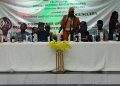
In a significant move aimed at bolstering ethical conduct and fortifying transparency within its operations, the Bauchi State Coordinating Office of the Raw Materials Research and Development Council (RMRDC) recently convened an engaging sensitization session focused on anti-corruption strategies. The initiative underscores the Council’s unwavering commitment to upholding the highest standards of integrity in public service.

The insightful session was expertly facilitated by the Chairman of the Anti-Corruption and Transparency Unit (ACTU) and Director of the Chemical and Pharmaceutical Department at RMRDC Headquarters, Mr. Abubakar S. Kollere, who provided a comprehensive overview of the critical role of ACTU in preventing and monitoring unethical practices within public institutions.
During his presentation, Mr. Kollere meticulously traced the historical development and operational framework of ACTU, emphasizing its vital function in safeguarding ethical conduct that extends beyond mere financial probity. He elucidated that corruption encompasses any deliberate deviation from established ethical standards, thereby impacting governance, business operations, and everyday professional interactions. He passionately urged all staff members to actively champion integrity, accountability, and transparency as fundamental pillars of their work environment.
Highlighting the independent nature of ACTU, Mr. Kollere clarified that the Unit operates autonomously and reports directly to the Independent Corrupt Practices and Other Related Offences Commission (ICPC). He detailed ACTU’s core responsibilities, which include conducting preliminary investigations, ensuring strict adherence to Civil Service regulations, and spearheading the development of robust ethics and integrity programs. Furthermore, to bolster accountability, the facilitator emphasized the formation of a 3-member sub-unit, ensuring its composition is free from ethnic, religious, or gender bias. Mr. Kollere also explained ACTU’s oversight role in the implementation of organizational ethics and compliance scorecards, the organization of integrity assessment sessions, the execution of thorough system reviews, and the diligent monitoring of budget execution.
You Might AlsoLike




He also underscored the Unit’s crucial involvement in public education through the design of initiatives aimed at promoting ethical behavior and the establishment of clear guidelines for professional conduct. Addressing a matter of significant importance, Mr. Kollere provided assurances regarding whistle-blower protection. He affirmed ACTU’s unwavering commitment to maintaining a secure and confidential reporting mechanism, emphasizing that the identities of individuals who report wrongdoing are rigorously protected, except when legally mandated for disclosure by the ICPC. He further stated that any reports of victimization or retaliation against whistleblowers would be subjected to a thorough investigation to ensure accountability and prevent any form of unfair treatment.
In his concluding remarks, Mr. Kollere emphasized that while ACTU does not prescribe specific behavioral rules, all staff members are expected to consistently uphold the highest ethical standards in their daily professional activities.
In his address, the Bauchi State Coordinator, Turaki Wambai, echoed the paramount importance of integrity within the workplace. He passionately encouraged all members of staff to deeply internalize the valuable insights gained from the sensitization lecture, highlighting that integrity stands as a core value of the Raw Materials Research and Development Council.

The engaging and informative session served as a powerful reinforcement of RMRDC’s dedication to fostering a work environment characterized by the utmost ethical conduct and transparency, ultimately enhancing the Council’s effectiveness and public trust.