
By Stella Azi
The Raw Materials Research and Development Council (RMRDC) has recorded a major breakthrough in the production of chitosan, a versatile biopolymer, from seafood waste for use in coating formulations.

The development was disclosed in a research project report on the production of a crack-filling mixture using chitosan material, produced by the Council. The report was signed by the Director of the Minerals and Materials Department, Mrs. Deborah Ashigye.
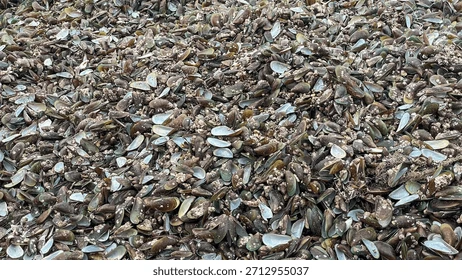
According to the report, “Chitosan is a deacetylated derivative of chitin, obtainable from the exoskeletons of crustaceans, fungi, insects, and mollusks. It has over 200 applications across sectors including medicine, pharmaceuticals, agriculture, water treatment, material coating, and cosmetics.”
The Council had earlier reported that efforts to domesticate chitosan production could significantly reduce Nigeria’s dependence on imports. “With efforts to develop and domesticate chitosan, the Council hopes to save the N103.9 billion spent annually on car-coating formulation in Nigeria. This project will not only convert waste to wealth but also provide much-needed raw materials for the coating industry,” the report stated.
You Might AlsoLike


The earlier report revealed that Nigeria imports about 550 metric tonnes (MT) of synthetic self-healing agents, valued at approximately N103,978,236 annually, for car-coating formulation. Despite having abundant sources of chitin, Nigeria still imports chitosan, even as a food supplement.
The report also cited global market trends, noting that the global chitosan market was valued at USD 19.55 billion in 2021 and is projected to grow at a compound annual growth rate (CAGR) of 7.82%, reaching USD 30.72 billion by 2027.
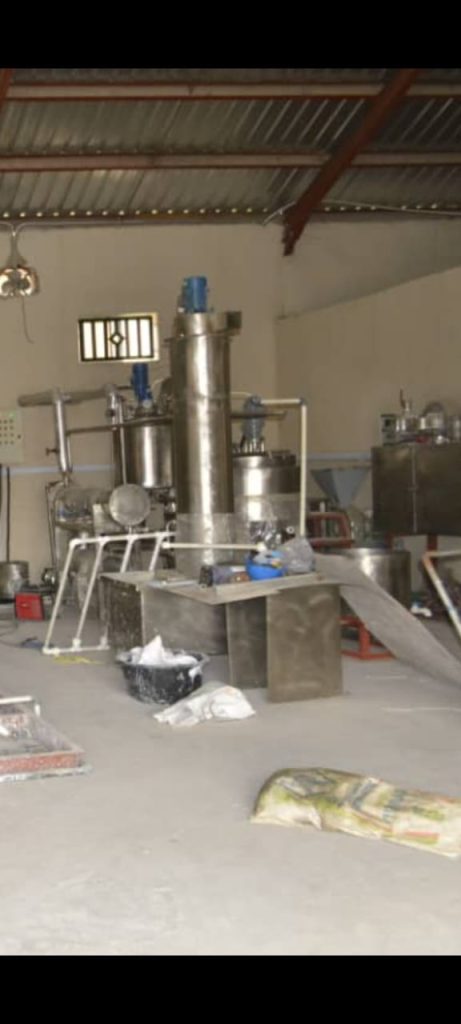
As part of its intervention, RMRDC has designed and developed a pilot plant for chitosan production, which has been installed and is expected to attract investment into local production.

The research project involved laboratory-scale production of ultra-fine chitosan powder from crab and lobster shell waste and its formulation into a biodegradable crack-filling mixture for repairing walls and concrete structures. The innovative process demonstrates a practical waste-to-wealth approach, addressing environmental concerns linked to seafood waste disposal while also contributing to infrastructure maintenance, youth empowerment, and sustainable material development.
The report explained that from 40 kg of seafood shell waste, the process can produce 10 kg of high-grade chitosan powder, an eco-friendly biopolymer known for its strong adhesive, film-forming, and moisture-resistant properties. When blended with natural fillers, it forms a low-cost crack repair material suitable for Nigeria’s construction needs.
Structural cracks remain widespread in homes, schools, and public infrastructure, particularly in low-income communities where repair materials are often unaffordable. The report therefore called for government and private-sector collaboration to fund and support pilot-scale development of the project.
It further highlighted that the extraction method developed significantly reduces production costs while enhancing the purity of the material. This, it noted, presents an opportunity to transform seafood waste into valuable industrial products, promote a circular economy, and reduce environmental impact. The Council plans to collaborate with local seafood processors and other stakeholders to scale up production and refine the process.
The Director-General/CEO of RMRDC, Prof. Nnanyelugo Ike-Muonso, congratulated the project team, describing the innovation as transformative for Nigeria’s construction and industrial future.
He said the project, with its proven versatility in wall crack repairs, reinforcement, and broader construction applications, is ready for pilot-scale implementation. According to him, advancing the initiative will help Nigeria achieve sustainable infrastructure goals, unlock economic opportunities, and position the country as a leader in innovative construction materials.