
By Abubakar Yusha’u
The Katsina State Coordinating Office of the Raw Materials Research and Development Council (RMRDC) has strengthened its collaboration with the Farm Input Support Service Department (FISSD) and other stakeholders toward advancing fertilizer development to boost agricultural investment in Nigeria.

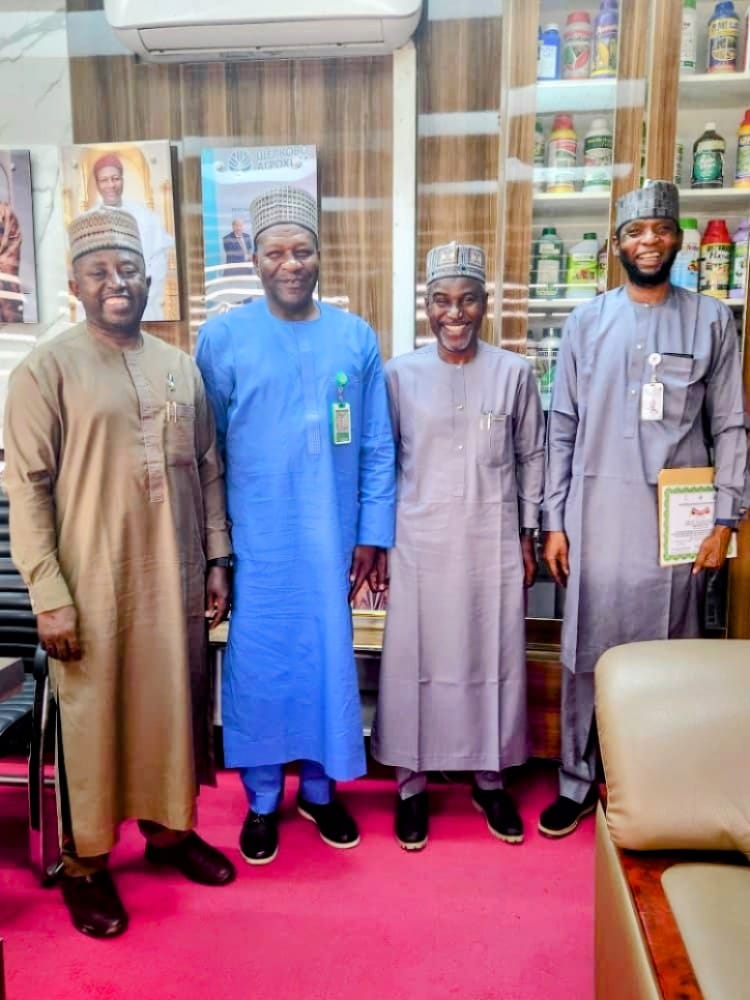
The meeting, held recently at the FISSD Headquarters on Independence Avenue, Central Business District, Abuja, brought together representatives from government institutions, universities, fertiliser industries, and other stakeholders to review progress made from a previous capacity-building initiative organised in Katsina State.

According to the Katsina State Coordinator, Mr. Abubakar Y, the engagement followed an invitation from FISSD after the successful hosting of a two-day strategic capacity-building training on value addition for fertilizer blending industries held in Katsina last year.
Mr Abubakar expressed joy as the meeting will further strengthen existing partnerships between RMRDC and FISSD and lay the groundwork for another programme similar to the successful training previously organised in Katsina State.
You Might AlsoLike




The meeting focused on assessing the impact and achievements of the National Capacity Building and Value Chain Development Programme for the Fertilizer Blending Industry.
Speaking during the meeting, the Director of FISSD, Dr. Abana Waziri expressed satisfaction with the outcomes of the initiative and reaffirmed the department’s commitment to supporting future programmes aimed at strengthening local fertilizer production and agricultural development.
The Special Adviser to the Minister of Agriculture on Farm Mechanization, Engr. Olukayode Frook praised the success of the initiative and described the collaboration among stakeholders as a positive step towards improving agricultural productivity and investment opportunities in the country.

Stakeholders at the meeting resolved to develop a strategic programme capable of making a direct impact on national agricultural investment, particularly through enhanced fertilizer value chains and improved industry collaboration.
Participants commended universities that participated in the programme for providing technical experts and research support on fertilizer formulation, blending techniques, and quality standards and expressed optimism that continued collaboration among government agencies, research institutions, and industry operators would contribute to improved fertilizer production, support local agriculture, and promote sustainable economic development across the country.