
By Opara Chinazum & Osuji Byron
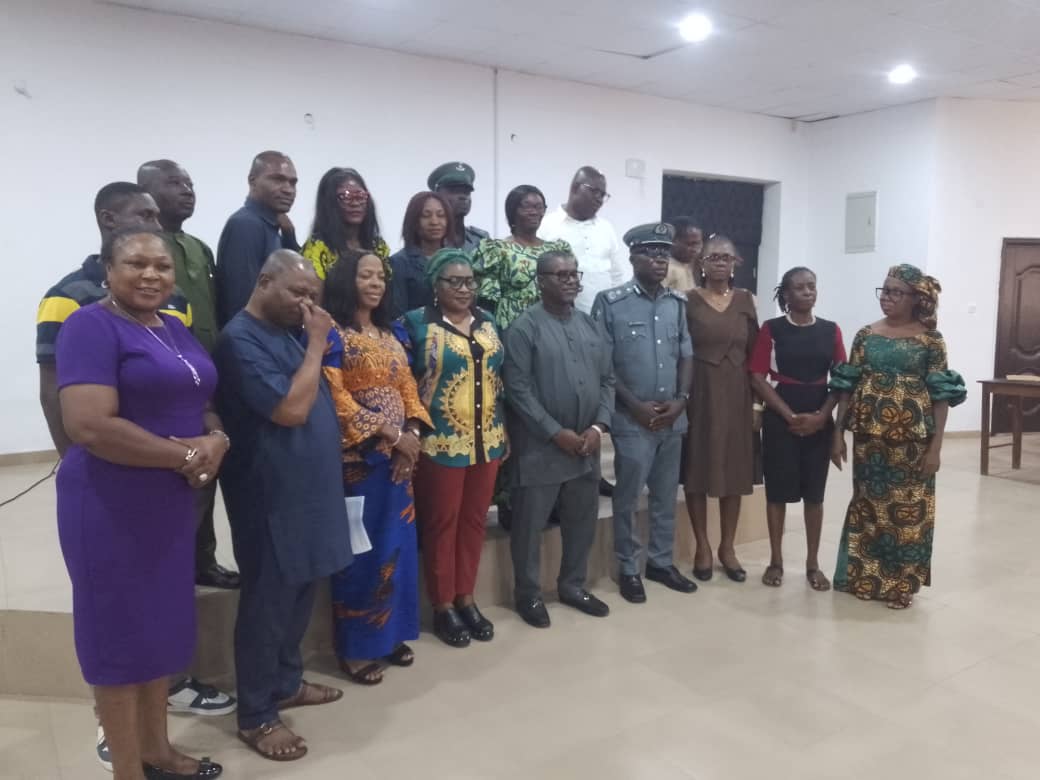
In a significant step towards revitalizing Abia State’s non-oil export sector, key stakeholders have united to strengthen local production and eliminate export bottlenecks. The Raw Materials Research & Development Council (RMRDC), Nigerian Export Promotion Council (NEPC), and the Abia State Ministry of Trade & Commerce led the collaborative meeting, alongside other strategic agencies and associations.

The meeting, hosted at the Ministry of Trade & Commerce, brought together representatives from the Nigeria Customs Service (NCS), All Farmers Association of Nigeria (AFAN), Abia State Ministry of Agriculture & Rural Development (MARD), and other export-related bodies.
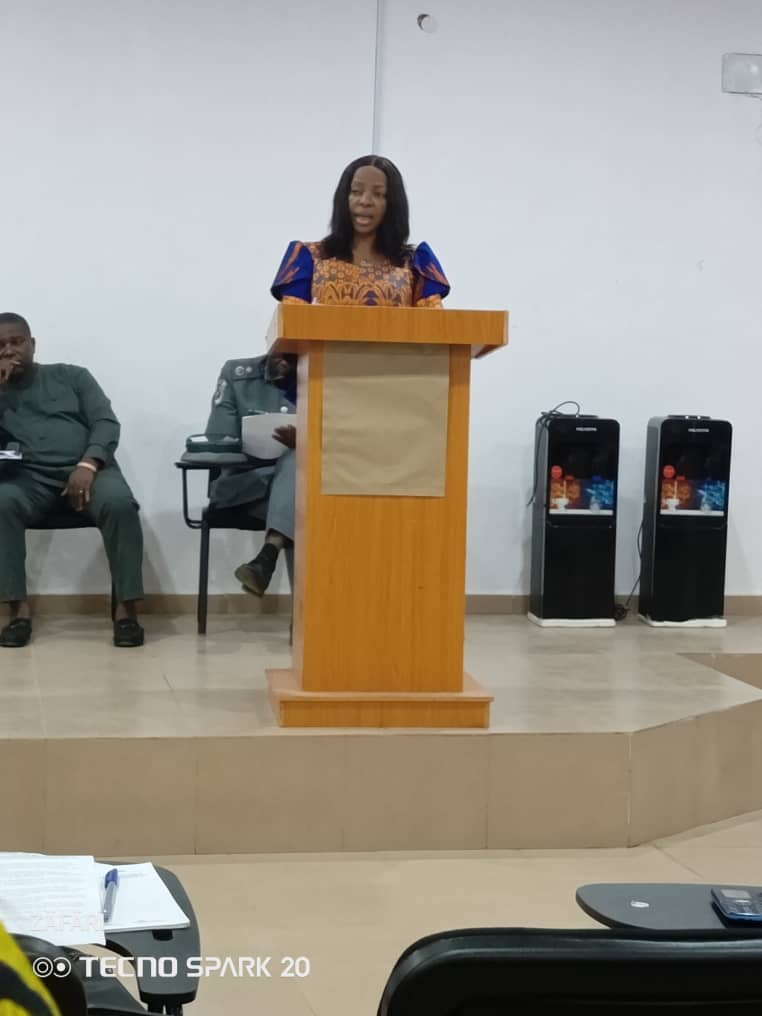
In her opening remarks, Permanent Secretary of the Ministry of Trade & Commerce, Pastor Mrs. Jane N. Igwe, highlighted the state’s commitment to boosting exports of non-oil products such as palm oil, leather, garments, cashew, and bitter leaf. She praised the inauguration of the Abia Chapter of the Association of Nigerian Exporters, describing it as a major step in promoting local trade.
“Exportable products must meet international standards,” Igwe said, urging exporters to maintain proper documentation and to confidently promote their goods under the banner of ‘Made in Abia’.
You Might AlsoLike




NEPC Abia State Coordinator, Mr. Okechukwu Amaechi, emphasized the crucial role of the State Committee on Export Promotion (SCEP), urging exporters to adopt global best practices to avoid port rejections. He called for proactive budgeting and reiterated NEPC’s commitment to making Abia a leader in non-oil exports.
In her remarks, RMRDC Abia State Coordinator, Mrs. Oji-Nnorom C.G., noted the National Assembly’s resolve to pass the RMRDC Amendment Bill, which mandates a minimum of 30% value addition to raw materials before export. She explained that the bill aims to reduce the export of unprocessed goods, encourage local manufacturing, and drive industrial innovation.
“The Council is fully committed to supporting Abia in becoming a non-oil export powerhouse,” Oji-Nnorom stated.

Special Adviser to the Abia State Governor on Ease of Doing Business, Mrs. Agbonma J. Ukaobasi, described the reactivation of SCEP as proof of the state’s dedication to creating a more business-friendly environment for exporters.
“With NEPC, Customs, NAFDAC, SON and RMRDC working together, the SCEP provides a one-stop platform for addressing the critical challenges exporters face,” she added.
At the meeting, stakeholders resolved to establish a forum tasked with:
- Promoting key export products from Abia State.
- Advising NEPC on supporting farmers and producers.
- Guiding exporters on quality standards and sourcing.
- Identifying marketable products within the state.
- Providing export advisory services to improve readiness.
The event marked a renewed commitment by the state and its partners to transform Abia’s non-oil sector into a globally competitive hub through improved standards, collaboration, and policy advocacy.